

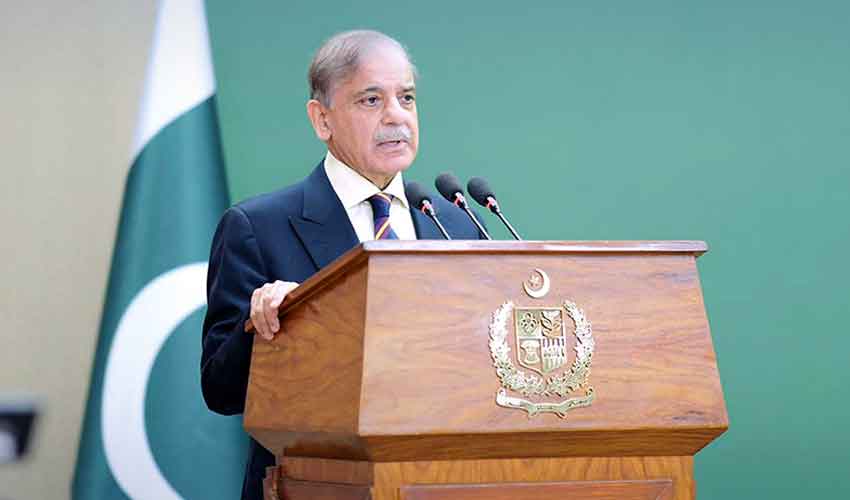
وزیراعظم کا تشدد پر مبنی انتہاپسندی کی روک تھام کے عالمی دن پر پیغامPrime Minister’s message on the International Day for the Prevention of Violent Extremism
. (Asghar Ali Mubarak) Islam is a religion of peace, and it teaches moderation. Islam offers detailed golden rules for living a life that enables mankind to establish their individual and collective lives on moderate and stable foundations. We may have defeated terrorism, but as a result of extremism, we have suffered so many tragedies after tragedies, and this confusion does not seem to be ending. How are we to deal with it? President Asif Ali Zardari says that Pakistan is committed to promoting peace, tolerance, and mutual respect. In his message on the occasion of the International Day for the Prevention of Violent Extremism (at the time of reconciliation for terrorism), the President said that violent extremism is a serious violation of human dignity, and it is imperative to deal with its root causes. He clarified that Pakistan is committed to the United Nations Convention against Torture, and the National Counter-Extremism Policy 2024 provides a proactive prevention strategy. Asif Ali Zardari said that Pakistan’s policy against extremism is based on human rights and the rule of law. He said that Islam and the Universal Declaration of Human Rights teach tolerance, equality, and respect for humanity. The President reminded that Pakistan has made huge sacrifices in the war against terrorism, and sustainable peace is possible only through education, dialogue, and social harmony. He said that legal safeguards and institutional reforms are being further strengthened to effectively counter extremism. In his message, President Zardari expressed deep concern over the human rights situation in Kashmir and Palestine and urged the international community to promote cooperation under shared responsibility. He also stressed that counter-extremism efforts should not defame any religion or culture, while empowering the youth is indispensable to counter extremism. The President also stressed the need to effectively counter hate speech and misinformation, saying that families and communities are the first line of defense against extremist narratives. Finally, President Asif Ali Zardari said that we must work together to build a world where hope prevails over hatred, peace over violence, and dialogue over division. On the occasion of the International Day for the Prevention of Violent Extremism, the Prime Minister said that today, on the International Day for the Prevention of Violent Extremism, Pakistan reiterates its resolve to continue its national struggle with full force against all forms of extremism, terrorism, hatred, bigotry, and violent ideologies. In his message, the Prime Minister said that Pakistan has made unprecedented sacrifices against terrorism and violent extremism. The sacrifices of security personnel and citizens are a shining example of our national resolve and a source of pride. Islam is a peace-loving religion that teaches moderation, tolerance, dialogue, and respect for human life. The young generation should be protected from extremist ideologies by providing them with education, opportunities, and positive thinking. Shahbaz Sharif said that social justice, economic inclusion, and interfaith harmony are the foundation of sustainable peace, while the ideologies of extremism and violence harm the peace and stability of societies. They also weaken basic human values such as humanity, tolerance, and mutual respect. The Prime Minister urged the international community to take effective steps for a just and peaceful resolution of long-standing conflicts, including the Kashmir and Palestine issues. Extremism has nothing to do with any religion. It is an attitude that can arise in any person, regardless of caste, creed, or color. Islam condemns every ideology that promotes extremist ideas against any political or religious group. Extremism paves the way for violence, anarchy, and terrorism. Until extremism is completely eradicated, this world can never become an ideal place for mankind. There are many reasons behind extremism, including injustice, dishonesty, poverty and unemployment, ego, Western oppression, desecration of Islamic values , and ignorance. To eradicate extremism, it is necessary to establish a society by making the life of the Prophet (PBUH) a model. An ideal society that broadens individual thinking, propagates moderation, teaches love for one another, and takes a keen attitude towards respecting humanity. There is an urgent need for a practical demonstration of interfaith harmony. Differences such as religious and sectarian, political and social, financial and civil have to be resolved in a sustainable and moderate manner. We must adopt a culture of patience, forgiveness, brotherhood, and equality that will help eliminate violence, hatred, inequality, extremism, and terrorism from our society. According to research by senior analyst Asghar Ali Mubarak, extremism is “the quality or state of being extreme” or “the advocacy of extreme actions or ideas.” The term is used primarily in a political or religious sense to refer to an ideology that is perceived to be far removed from mainstream attitudes in society. The views of extremists are generally different from those of moderates. The United Nations has designated the International Day to Combat Hate Speech. The day is dedicated to combating and taking action against hate speech. On this day, various countries, organizations, and individuals speak out against hate speech and work to promote peace, tolerance, and mutual respect in society.
Extremism is an attitude or mindset in which an individual or group strongly adheres to their ideas, beliefs, or goals and tries to impose them on others, often through violent or illegal means. Some of its common characteristics include: Extremism: excessive insistence on one’s own ideas and complete rejection of other points of view. Intolerance: no tolerance for the ideas, beliefs, or lifestyles of others. Use of violence: considering physical or mental violence to achieve one’s goals as legitimate. Monotheism: considering only one’s own point of view as right and declaring all others as wrong. Extremism can take different forms, such as religious extremism, political extremism, or ethnic extremism. There may be many factors behind this, including social injustice, poverty, lack of education, or propaganda.
Prime Minister of Pakistan Shehbaz Sharif has said that on the International Day for the Prevention of Violent Extremism, Pakistan reiterates its resolve that we will continue our national struggle against all forms of extremism, terrorism, hatred, bigotry, and violent ideologies with full force. According to the media wing of the PM Office, the Prime Minister expressed these views in his message on the occasion of the International Day for the Prevention of Violent Extremism (February 12). Extremism and violent ideologies not only harm the peace and stability of societies, but they also undermine basic human values like humanity, tolerance, and mutual respect. Pakistan has made unprecedented sacrifices against terrorism and violent extremism in the past several decades. The sacrifices of our brave security personnel and citizens are a shining example of our national resolve and a source of pride. The Prime Minister has reiterated the resolve to continue the national struggle against all forms of extremism, terrorism, hatred, and violent ideologies with full force. He said that Pakistan has been making unprecedented sacrifices against terrorism and extremism for decades. The international community must find a just and peaceful solution to long-standing conflicts. Prime Minister Shehbaz Sharif said that Islam is a peace-loving religion that teaches moderation, tolerance, dialogue, and respect for human life. We must protect the young generation from extremist ideologies by providing them with education, opportunities, and positive thinking. He termed social justice, economic inclusion, and interfaith harmony as the basis of sustainable peace and said that Pakistan also emphasizes that the ongoing injustices, protracted conflicts, and serious violations of human rights in the world give rise to extremism and violence. Protracted unresolved conflicts on the global scene, including state oppression and repression against innocent citizens in illegally occupied Jammu and Kashmir and Palestine, and the violation of fundamental rights, are also reflections of extremist behavior. Pakistan urges the international community to take effective steps for a just and peaceful resolution of long-standing conflicts. Shahbaz Sharif said that Pakistan will continue to play its role in eliminating violent extremism and establishing a just and peaceful global order through a joint strategy, cooperation, and partnership with the international community. Let us all pledge today to build a peaceful, secure, and harmonious society. It should be noted that combating extremism is one of the most important and dangerous issues because it threatens social peace and public order. It has many forms and has many effects on our daily lives. This extremism has given rise to the element of incitement to open violence, and the visual, audio, and print media have also contributed to it. In some countries, along with the educational curriculum, lectures and some deviant religious speeches have also played their role.Similarly, some religions and violent religious symbols also played a role in fueling the fire of extremism, because they have a profound influence on the lives of some individuals and on some movements and their behavior. It is important to emphasize that extremism cannot be limited to a particular group or region. It should be noted that the most visible segment of extremists is those who belong to terrorist groups, but the fact is that extremism is widespread within many groups of society, which is sometimes not clearly visible. Islam came with a tolerant and polytheistic religion and emphasizes moderation and moderation in all matters. The path of Islam has always been tolerance, acceptance of others, and rejection of extremism and violence. Therefore, Islam has a clear and definite position against extremism and violence, which emphasizes rejecting extremism and violence, staying away from it and combating it. It should be noted that when we study the role of religious extremism in history, the first aspect that comes to our mind is that it is confident in the uniqueness of its religion and rejects all other uniquenesses. While living within the circle of its own uniqueness, feelings of prejudice and hatred arise. When other uniquenesses are not recognized, society remains in a state of separation. Extremism considers it necessary for the unity of society that no new sects arise in it, because in this case its unity is challenged. We see this in ancient histories as well. For example, when Zoroastrianism was adopted as the religion of the state in the Sasanian Empire of Iran, it severely crushed the sectarian movements of Mazdak and Mani. So that religious chaos does not arise in Iranian society. Religious extremism is used not only for its truth but also for its unity. For example, in 313 AD, when Constantine converted to Christianity, the followers of Christ, with the help of the state, took drastic measures against the pagan religion. They destroyed their temples, broke their idols. Their religious leaders were either killed or forced into exile. Along with the elimination of paganism, the new sects that had arisen in Christianity also ended. From the 11th to the 13th centuries AD, Europe was engaged in crusades in which people were made to fight Muslims in the name of religion in order to establish the superiority of the Christian religion. The famous Christian scholar St. Augustine said that if Christians conquered people of another religion, they should massacre them; not even children and young people should be spared, because they would grow up to be against Christianity. Although the Catholic religion tried hard to maintain unity, military measures were taken against the new religious sects. But this unity was broken when Luther raised his voice against the Pope in 1517 AD, as a result of which the Christian unity of Europe was broken, and it was divided into Catholic and Protestant. Now there were two truths in Christianity instead of one, whose followers conflicted with each other. The countries that believed in the Catholic religion tried to remove other religions and sects from their borders and implement a single faith. Therefore, in 1482, Spain, which had become the head of the Catholic sect, expelled Jews and Muslims from Andalusia and implemented the Christian faith throughout Spain. In addition, it also fought wars with Protestant countries. Due to this, it was involved in an economic crisis and eventually became a backward country in Europe.
Due to the conflict between Catholics and Protestants, there was neither religious unity nor peace in Europe. From 1618 to 1648, Germany and other European countries fought religious wars for 30 years. As a result, Catholic and Protestant states were established in Europe. The common people had to suffer due to religious conversion. For example, in Protestant countries, those who believed in the Catholic faith did not have religious freedom. The same situation was with Protestant minorities in Catholic states. In France, where Catholics were in the majority, an attempt was made to treat Protestant sects with tolerance, but when any sect believes only in its own truth, it does not recognize tolerance for other sects. Rather, this tolerance weakens its faith and makes its followers suspicious. Therefore, religious minorities were treated with prejudice. In France, where a law had been given to Protestants to grant them religious freedom, it was abolished by Louis XIV. Due to this, a large number of Protestants left France and went to other countries. Due to which French industry and crafts were also damaged.Due to religious extremism, Europe remained in political chaos for a long time, which blocked its development. This mentality gradually ended when the nation-state was formed in Europe, which was not based on religion, and the nation included followers of every religion and belief. The concept of a single truth was broken in the ideology of the nation, and unity was now in the name of the nation, and the nation-state had no religion. This was a long journey that Europe took, and when religious fanaticism ended, its society progressed in the sciences and arts, science, and technology. Extremism is a psychological attitude due to which a person crosses the limits of tolerance and moderation in their daily routines, especially in political and religious matters. In such a situation, he not only declares his own thinking, ideology, or belief as right, but also tries to impose it on others, which creates a state of chaos in society and disrupts the order of society. This psychological condition is also called extremism and madness, which, if the element of violence and force is also included, then this behavior turns into terrorism. Islam is a moderate and balanced religion that favors moderation while opposing extremism and extremism. Now the question arises, what is called moderation, what are its limits, and how to determine the limits of this extremeism? Any extremism or narrow-mindedness, whether religious or non-religious, is the biggest cause of intolerance in any society. Which destroys the peace, tranquility, and development of the society. Because tolerance is the pillar of any society on which its building is built. In the system of nature, too, we see the process of tolerating each other for coexistence everywhere. In the solar system, too, each planet moves in its own orbit due to the centrifugal and centripetal attraction of itself and other planets, and is protected from colliding with other planets, so that the system of the universe remains in the world of survival. If these centripetal and centrifugal forces are disrupted, the existence of this universe cannot continue. In Surah Yasin, God says, “Neither can the sun overtake the moon, nor can the night precede the day, and all are floating in their own circles.” (40) It seems that only moderation, balance, and mutual tolerance can guarantee the survival of a society. This is why Muslims have been repeatedly advised to adhere to moderation and avoid extremism. Narrow-mindedness gives rise to extremism, which ultimately destroys moderation and balance in society and causes chaos. According to psychology, there are two basic reasons for narrow-mindedness. First, a lack of knowledge, and second, a sense of superiority despite a lack of knowledge. That is, when a person gives up the quest for comprehensive knowledge and becomes obsessed with a sense of superiority based on what little he knows, right or wrong, he begins to hate other human beings, considering them inferior. Although all humans are creatures of the same God who loves his creation immensely, the tragedy of extremists of all religions of the world is that they declare others as irreligious except themselves. This human tragedy becomes even more severe when different sects of a single religion exclude each other from their respective religions, creating an atmosphere of hatred and conflict in society. Thus, we see in history that extremists of ancient religions like Hinduism, to the most modern religions like Sikhism, have been active in conflicts and communal killings between Brahmins and Shudras, and between Sikhs of different castes and castes. The same has been the case with extremists of Buddhists, Jews, Christians, and Muslims. In the name of religious survival and sanctity, they have been showing intolerance not only against other religions but also against those who follow their own religion. In his book, “The Story of Man,” author Nedrick Van Loon writes, “A thousand years ago, if someone had a toothache, Christian priests would recite mantras and blow on them and look down on doctors and their medicine with hatred because at that time knowledge and wisdom came from the atheists, that is, Muslims, so it could not be of any use and believing in it was blasphemy.” The main reason for this narrow-mindedness, then and today, is the misinterpretation of some religious terms. Extremists of every religion declare everyone from other religions to be atheists, infidels, misguided, or atheists, and their only condition for salvation is that the person must first enter that religion in a systematic manner. For example, extremists of Buddhism and Hinduism believe that Mahatma Buddha and Ramchandraji, who were members of the royal family, were killed simply because they The followers of Christianity can be saved in this world and the hereafter. The extremist preachers of Christianity say that Jesus Christ sacrificed his life on the cross to atone for our sins, and the Jewish extremist Pharisees who crucified Jesus crucified him because, according to them, only Moses was the savior who saved the Israelites from Pharaoh’s slavery. The biggest tragedy is that all those extremists associate the concept of salvation with merely formal participation in their religion. For them, action has no value, which is the main key to success. They say that it is secondary to the need for salvation that their religion must first be expressed verbally or outwardly.The fact is that the Creator of the universe, who is the source of all the universe and religions, has laid down certain principles and rules to run his system, which we today know as universal truths. The truthfulness of which no one can deny and which is propagated by all religions and which is also the Charter of the United Nations today includes loving other human beings, providing them with social and economic justice, speaking the truth, weighing the merits, not violating anyone’s rights, having a passion for selflessness and sacrifice for others, forgiving, making efforts to protect human society from diseases and natural disasters, and finding the hidden treasures and powers of nature through knowledge for human interests, in order to do and advise or preach to do everything and actions that are in the interest of humanity. Even in all religions, the ultimate purpose of worship is the collective welfare and well-being of humans. Just as the advice of Hajj, prayer, fasting, and giving zakat among Muslims also teaches us to solve the economic and social problems of human society. The first condition for this is action. As far as the question of going to heaven and hell is concerned, this has also been linked to action. It seems that the real Muslim is the one who does good deeds. As far as disbelief is concerned, whoever hides the facts or denies the divine principles, which we can also call universal truths, is a disbeliever. And he will be considered worthy of punishment. In the light of these divine commands, the basic concept of good or virtuous deeds has been presented in the explanation of Islam, disbelief, and the right to paradise because all human beings are beloved to God. If we try to understand the teachings of our respective religions from a divine perspective, all our concepts change, and we cannot even think of hatred or war and controversy in the name of religion.


. (اصغر علی مبارک) ، اسلام امن کا مذہب ہے اور یہ اعتدال پسندی کا درس دیتا ہے۔ اسلام ایک ایسی زندگی گزارنے کے لیے تفصیلی سنہری اصول پیش کرتا ہے جو بنی نوع انسان کو اپنی انفرادی اور اجتماعی زندگی کو معتدل اور مستحکم بنیادوں پر قائم کرنے کے قابل بناتا ہے۔
ہم دہشت گردی کو تو شاید مات دے چکے لیکن انتہا پسندی کے نتیجے میں ہم اتنے سانحات در سانحات کا شکار ہوئے لیکن یہ کنفیوژن ختم ہونے کا نام ہی نہیں لیتی۔ آیا ہم نے اس سے نمٹنا کیسے ہے؟ صدرِ مملکت آصف علی زرداری کا کہنا ہے کہ پاکستان امن، برداشت اور باہمی احترام کے فروغ کے لیے پرعزم ہے۔ تشدد پر مبنی انتہا پسندی کی روک تھام کے عالمی دن (بوقتِ سازگاری برائے دہشت گردی) کے موقع پر اپنے پیغام میں صدر مملکت نے کہا کہ تشدد پر مبنی انتہا پسندی انسانی وقار کی سنگین خلاف ورزی ہے اور اس کے بنیادی اسباب سے نمٹنا ناگزیر ہے۔ انہوں نے واضح کیا کہ پاکستان اقوامِ متحدہ کے انسدادِ تشدد کنونشن پر کاربند ہے اور قومی انسدادِ انتہاپسندی پالیسی 2024 فعال روک تھام کی حکمتِ عملی فراہم کرتی ہے۔ آصف علی زرداری کا کہنا تھا کہ انتہا پسندی کے خلاف پاکستان کی پالیسی انسانی حقوق اور قانون کی حکمرانی پر مبنی ہے۔ انہوں نے کہا کہ اسلام اور انسانی حقوق کا عالمی اعلامیہ برداشت، مساوات اور احترامِ انسانیت کا درس دیتے ہیں۔ صدر مملکت نے یاد دلایا کہ پاکستان نے دہشت گردی کے خلاف جنگ میں بھاری قربانیاں دی ہیں اور پائیدار امن تعلیم، مکالمے اور سماجی ہم آہنگی کے ذریعے ہی ممکن ہے۔ انہوں نے کہا کہ قانونی تحفظات اور ادارہ جاتی اصلاحات کو مزید مضبوط بنایا جا رہا ہے تاکہ انتہاپسندی کا مؤثر سدباب کیا جا سکے۔ اپنے پیغام میں صدر زرداری نے کشمیر اور فلسطین میں انسانی حقوق کی صورتحال پر گہری تشویش کا اظہار کرتے ہوئے عالمی برادری پر زور دیا کہ وہ مشترکہ ذمہ داری کے تحت تعاون کو فروغ دے۔ انہوں نے اس بات پر بھی زور دیا کہ انسدادِ انتہا پسندی کی کوششیں کسی مذہب یا ثقافت کو بدنام نہ کریں، جبکہ نوجوانوں کو بااختیار بنانا شدت پسندی کے سدباب کے لیے ناگزیر ہے۔ صدر مملکت نے نفرت انگیز تقاریر اور گمراہ کن معلومات کے مؤثر سدباب کی ضرورت پر بھی زور دیا اور کہا کہ خاندان اور برادریاں انتہا پسند بیانیے کے خلاف پہلی دفاعی دیوار ہیں۔ آخر میں صدر آصف علی زرداری نے کہا کہ ہمیں ایسی دنیا کی تعمیر کے لیے مل کر کام کرنا ہوگا جہاں نفرت پر امید غالب ہو اور تشدد پر امن اور تقسیم پر مکالمے کو ترجیح دی جائے۔ عالمی دن کے موقع پر وزیراعظم نے کہا کہ آج تشدد پر مبنی انتہا پسندی کی روک تھام کے عالمی دن پر پاکستان اس عزم کا اعادہ کرتا ہے کہ ہم ہر قسم کی انتہاپسندی، دہشت گردی، نفرت و عفریت اور تشدد آمیز نظریات کے خلاف اپنی قومی جدوجہد پوری قوت کے ساتھ جاری رکھے گا۔ وزیر اعظم نے اپنے پیغام میں کہا پاکستان نے دہشت گردی اور پرتشدد انتہاپسندی کے خلاف بے مثال قربانیاں دی ہیں،سیکیورٹی اہلکاروں، شہریوں کی قربانیاں ہمارے قومی عزم کی روشن مثال اور باعث فخر ہیں، اسلام امن پسند دین ہے جو اعتدال، روا داری، مکالمے، انسانی جان کے احترام کا درس دیتا ہے،نوجوان نسل کو تعلیم، مواقع، مثبت سوچ فراہم کر کے انہیں انتہاپسندانہ نظریات سے محفوظ بنانا ہوگا۔
شہباز شریف کا کہنا تھا کہ سماجی انصاف، معاشی شمولیت اور بین المذاہب ہم آہنگی ہی پائیدار امن کی بنیاد ہیں، جبکہ انتہاپسندی اور تشدد کے نظریات معاشروں کے امن و استحکام کو نقصان پہنچاتے ہیں، یہ انسانیت، برداشت، رواداری ، باہمی احترام جیسی بنیادی انسانی اقدار کو بھی کمزور کرتے ہیں۔
وزیر اعظم نے عالمی برادری پر زور دیا کہ مسئلہ کشمیر و فلسطین سمیت دیرینہ تنازعات کے منصفانہ اور پُرامن حل کے لیے موثر اقدامات کئے جائیں۔انتہا پسندی کا کسی مذہب سے کوئی تعلق نہیں ہے۔ یہ ایک ایسا رویہ ہے جو کسی بھی شخص میں ذات، عقیدہ اور رنگ سے قطع نظر پیدا ہو سکتا ہے۔ اسلام ہر اس نظریے کی مذمت کرتا ہے جو کسی بھی سیاسی یا مذہبی گروہ کے خلاف انتہا پسندانہ خیالات کو پروان چڑھاتا ہو۔ انتہا پسندی تشدد، انارکی اور دہشت گردی کی راہ ہموار کرتی ہے۔ جب تک انتہا پسندی کو مکمل طور پر جڑ سے اکھاڑ پھینکا نہیں جاتا یہ دنیا بنی نوع انسان کے لیے کبھی بھی مثالی جگہ نہیں بن سکتی۔ انتہا پسندی کے پیچھے بہت سی وجوہات ہیں جن میں ناانصافی، بددیانتی، غربت اور بے روزگاری، انا، مغربی ظلم، اسلامی اقدار کی بے حرمتی اور جہالت شامل ہیں۔ انتہا پسندی کے خاتمے کے لیے رسول اللہ (ص) کی زندگی کو نمونہ عمل بنا کر معاشرہ قائم کرنا لازم ہے۔ ایک مثالی معاشرہ جو انفرادی سوچ کو وسیع کرتا ہے، اعتدال پسندی کا پرچار کرتا ہے، ایک دوسرے سے محبت کرنا سکھاتا ہے اور انسانیت کے احترام کے لیے حریصانہ رویہ اختیار کرتا ہے۔ بین المذاہب اور بین المذاہب ہم آہنگی کا عملی مظاہرہ اشد ضرورت ہے۔ مذہبی اور فرقہ وارانہ، سیاسی اور سماجی، مالی اور شہری جیسے اختلافات کو پائیدار اور اعتدال پسندانہ طریقے سے حل کرنا ہوگا۔ صبر، درگزر، بھائی چارے اور مساوات کے کلچر کو اپنانا ہوگا جو ہمارے معاشرے سے تشدد، عداوت، عدم مساوات، انتہا پسندی اور دہشت گردی کو ختم کرنے میں مددگار ثابت ہو۔
انتہا پسندی “انتہائی ہونے کا معیار یا حالت” یا “انتہائی اقدامات یا نظریات کی وکالت” ہے۔ یہ اصطلاح بنیادی طور پر سیاسی یا مذہبی معنوں میں کسی ایسے نظریے کی طرف اشارہ کرنے کے لیے استعمال کی جاتی ہے جسے سمجھا جاتا ہے معاشرے کے مرکزی دھارے کے رویوں سے بہت دور ہے۔ انتہا پسندوں کے خیالات عام طور پر اعتدال پسندوں کے خیالات سےاقوام متحدہ “نفرت انگیز تقریر کا مقابلہ کرنے کا بین الاقوامی دن ناتا ہے۔ یہ دن نفرت انگیز تقریر سے نمٹنے اور اس کے خلاف اقدامات کرنے کے لیے وقف ہے۔ اس دن مختلف ممالک، تنظیمیں اور افراد نفرت انگیز تقاریر کے خلاف آواز اٹھاتے ہیں اور معاشرے میں امن، رواداری اور باہمی احترام کو فروغ دینے کے لیے کام کرتے ہیں۔
انتہا پسندی ایک ایسا رویہ یا سوچ ہے جس میں ایک فرد یا گروہ اپنے خیالات، عقائد یا مقاصد پر شدت سے قائم رہتا ہے اور انہیں دوسروں پر مسلط کرنے کی کوشش کرتا ہے، اکثر پرتشدد یا غیر قانونی طریقوں سے۔ اس کی کچھ عام خصوصیات میں شدت پسندی: اپنے نظریات پر حد سے زیادہ اصرار کرنا اور دوسرے نقطہ نظر کو بالکل بھی قبول نہ کرنا۔ عدم رواداری: دوسروں کے خیالات، عقائد یا طرز زندگی کے لیے کوئی برداشت نہ ہونا۔ تشدد کا استعمال: اپنے مقاصد کے حصول کے لیے جسمانی یا ذہنی تشدد کو جائز سمجھنا۔ محض ایک نقطہ نظر کی پیروی: صرف اپنے نقطہ نظر کو صحیح سمجھنا اور باقی سب کو غلط قرار دینا۔ انتہا پسندی کی مختلف شکلیں ہو سکتی ہیں، جیسے مذہبی انتہا پسندی، سیاسی انتہا پسندی، یا نسلی انتہا پسندی۔ اس کے پیچھے کئی عوامل کار فرما ہو سکتے ہیں، جن میں سماجی ناانصافی، غربت، تعلیم کی کمی، یا پروپیگنڈا شامل ہیں۔
وزیراعظم پاکستان شہباز شریف کاکہناہے کہ تشدد پر مبنی انتہاپسندی کی روک تھام کے عالمی دن پر پاکستان اس عزم کا اعادہ کرتا ہے کہ ہم ہر قسم کی انتہاپسندی، دہشت گردی، نفرت و عفریت اور تشدد آمیز نظریات کے خلاف اپنی قومی جدوجہد پوری قوت کے ساتھ جاری رکھیں گے پی ایم آفس کے میڈیا ونگ کے مطابق وزیر اعظم نے ان خیالات کا اظہار تشدد پر مبنی انتہاپسندی کی روک تھام کے عالمی دن (12فروری )کے موقع پر اپنے پیغام میں کی, انتہاپسندی اور تشدد کے نظریات نہ صرف معاشروں کے امن و استحکام کو نقصان پہنچاتے ہیں بلکہ یہ انسانیت، برداشت، رواداری اور باہمی احترام جیسی بنیادی انسانی اقدار کو بھی کمزور کرتے ہیں، پاکستان نے گزشتہ کئی دہائیوں میں دہشت گردی اور پرتشدد انتہا پسندی کے خلاف بے مثال قربانیاں دی ہیں، ہمارے بہادر سکیورٹی اہلکاروں اور شہریوں کی قربانیاں ہمارے قومی عزم کی روشن مثال اور باعث فخر ہیں۔ وزیراعظم نے ہر قسم کی انتہاپسندی، دہشت گردی، نفرت اور پرتشدد نظریات کے خلاف قومی جدوجہد پوری قوت سے جاری رکھنے کے عزم کا اعادہ کرتے ہوئے کہا ہے کہ پاکستان دہائیوں سے دہشت گردی اور انتہاپسندی کے خلاف بے مثال قربانیاں دے رہا ہے، عالمی برادری کو دیرینہ تنازعات کا منصفانہ اور پرامن حل تلاش کرنا ہوگا۔ وزیراعظم شہباز شریف نے کہا کہ اسلام امن پسند دین ہے جو اعتدال، رواداری، مکالمے اور انسانی جان کے احترام کا درس دیتا ہے، ہمیں نوجوان نسل کو تعلیم، مواقع اور مثبت سوچ فراہم کر کے انہیں انتہا پسندانہ نظریات سے محفوظ بنانا ہوگا۔ انہوں نے سماجی انصاف، معاشی شمولیت اور بین المذاہب ہم آہنگی کو پائیدار امن کی بنیاد قرار دیتے ہوئے کہا کہ پاکستان اس امر پر بھی زور دیتا ہےکہ دنیا میں جاری ناانصافیاں، طویل تنازعات اور انسانی حقوق کی سنگین خلاف ورزیاں انتہاپسندی اور تشدد کو جنم دیتی ہیں، عالمی منظر نامے پر طویل حل طلب تنازعات بشمول بھارت کے غیر قانونی زیر تسلط جموں و کشمیر اور فلسطین میں معصوم شہریوں کے خلاف ریاستی ظلم و جبر اور بنیادی حقوق کی پامالی بھی انتہا پسندانہ رویے کی عکاس ہے، پاکستان عالمی برادری پر زور دیتا ہے کہ وہ ان دیرینہ تنازعات کے منصفانہ اور پرامن حل کے لیے موثر اقدامات کرے شہباز شریف نے کہا کہ پاکستان عالمی برادری کے ساتھ مل کر مشترکہ حکمت عملی، تعاون اور شراکت داری کے ذریعے پرتشدد انتہاپسندی کے خاتمے اور ایک منصفانہ و پرامن عالمی نظام کے قیام کے لیے اپنا کردار ادا کرتا رہے گا، آئیے آج کے دن ہم سب مل کر ایک پرامن، محفوظ اور ہم آہنگ معاشرے کی تعمیر کا عہد کریں۔ سینئر تجزیہ کار اصغر علی مبارک کی تحقیق کے مطابق انتہا پسندی کا مقابلہ کرنا انتہائی اہم اور خطرناک مسائل میں سے ایک ہے کیونکہ اس کا خطرہ معاشرتی امن اور نظامِ عامہ کے درپے ہوتاہے۔ جیسا کہ اس کی کئی شکلیں ہیں اور ہماری روزمرہ کی زندگی میں اس کے بہت سے اثرات ہیں۔ اس انتہا پسندی سے علانیہ تشدد پر اکسانے کے عنصر نے جنم لیا، اور اس میں بصری، صوتی اور پرنٹ میڈیا نے بھی تعاون کیا، بعض ممالک میں تعلیمی نصاب کے ساتھ ساتھ لیکچرز اور کچھ منحرف مذہبی تقاریر نے بھی اپنا کردار ادا کیا ہے۔ اسی طرح بعض مذاہب اور متشدد مذہبی علامات نے بھی انتہا پسندی کی آگ بھڑکانے میں اپنا کردار ادا کیا،کیونکہ بعض افراد کی زندگی پر اور کچھ تحریکوں اور ان کے طرز عمل پر ان کا گہرہ اثر و رسوخ ہوتا ہے ۔اس بات پر زور دینا ضروری ہے کہ انتہا پسندی کو کسی خاص گروہ یا علاقےکے ساتھ مخصوص نہیں کیا جا سکتا واضح رہے کہ انتہا پسندوں میں سب سے زیادہ نظر آنے والا طبقہ وہ ہے جن کا تعلق دہشت گرد گروپوں سے ہے، لیکن حقیقت یہ ہے کہ انتہا پسندی معاشرے کے متعدد گروہوں کے اندر پھیلی ہوئی ہے جو بعض اوقات واضح طور پر نظر نہیں آتی۔ اسلام روادار اور شرک سے پاک دین کے ساتھ آیا ہے اور تمام معاملات میں اعتدال اور وسطیت پر زور دیتا ہے۔ ہمیشہ سے اسلام کا منہج رواداری، دوسروں کو قبول کرنے اور انتہا پسندی اور تشدد کو رد کرنے پر قائم رہا ہے۔ لہٰذا انتہا پسندی اور تشدد کے خلاف اسلام ایک واضح اور متعین موقف رکھتا ہے جو کہ انتہا پسندی اور تشدد کو رد کرنے،اس سے دور رہنے اور اس کا مقابلہ کرنے پر زور دیتا ہے۔ واضح رہے کہ جب ہم تاریخ میں مذہبی انتہا پسندی کے کردار کا مطالعہ کرتے ہیں تو سب سے پہلے ہمارے سامنے اُس کا یہ پہلو آتا ہے کہ وہ اپنے مذہب کی سیمائی پر یقیین رکھتی ہے اور دوسری تمام سیمائیوں کو رَد کر دیتی ہے۔ اپنی ہی سیمائی کے دائرے میں رہتے ہوئے تعصّب اور نفرت کے جذبات پیدا ہوتے ہیں۔ جب دوسری سیمائیوں کو تسلیم نہ کیا جائے تو علیحدگی کی حالت میں معاشرہ ایک جگہ ٹھہر جاتا ہے۔ انتہا پسندی معاشرے کے اتحاد کے لیے ضروری سمجھتی ہے کہ اِس میں کوئی نئی فرقے پیدا نہ ہوں کیونکہ اس صورت میں اُس کا اتحاد چیلنج ہوتا ہے۔ اس کا مشاہدہ ہم قدیم تاریخوں میں بھی دیکھتے ہیں۔ مثلاً جب ایران کی ساسانی سلطنت میں زرتشت مذہب ریاست نے اختیار کر لیا تھا تو اُس نے مَزدَق اور مانی کی فرقے وارانہ تحریکوں کو سختی سے کُچل دیا۔ تاکہ ایرانی معاشرے میں مذہبی انتشار پیدا نہ ہو۔ مذہبی انتہا پسندی کو نہ صرف اُس کی سچائی کے لیے بلکہ اُس کے اتحاد کے لیے بھی استعمال کیا جاتا ہے۔ مثلاً 313 عیسوی میں جب قُسطنطین نے مسیحی مذہب اختیار کر لیا تو مسیح کے پیروکاروں نے ریاست کی مدد سے پیگن مذہب کے خلاف سخت اقدامات کیے۔ اُن کے مَندروں کو مُسمار کیا، اُن کے بُتوں کو توڑا۔ اُن کے مذہبی راہنماؤں کو یا تو قتل کیا یا اُنھیں جِلاوطن ہونے پر مجبور کیا۔ پیگن مذہب کو ختم کرنے کے ساتھ ساتھ مسیحیت میں جو نئے فرقے پیدا ہوئے تھے، اُن کا بھی خاتمہ ہوا۔ گیارہویں سے تیرہویں صدی عیسوی تک یورپ صلیبی جنگوں میں مصروف رہا جن میں مذہب کے نام پر لوگوں کو مسلمانوں سے لڑوایا گیا تاکہ مسیحی مذہب کی برتری کو قائم کیا جا سکے۔ مسیحی مذہب کے مشہور عالم سینٹ اَگسِٹن کا کہنا تھا کہ اگر مسیحی کسی دوسرے مذہب کے لوگوں پر فتح حاصل کرتے ہیں تو انہیں ان کا قتلِ عام کر دینا چاہیے، یہاں تک کہ بچوں اور نوجوانوں کو بھی نہیں چھوڑنا چاہیے کیونکہ بڑے ہو کر یہ مسیحیت کے خلاف ہو جائیں گے۔ اگرچہ کیتھولِک مذہب نے اتحاد کو برقرار رکھنے کی بہت کوشش کی، نئے مذہبی فرقوں کے خلاف فوجی اقدامات کیے گئے۔ لیکن یہ اتحاد اُس وقت ٹوٹا جب لُوتھر نے 1517 عیسوی میں پوپ کے خلاف آواز اُٹھائی جس کے نتیجے میں یورپ کا مسیحی اتحاد ٹوٹا اور یہ کیتھولِک اور پروٹسٹنٹ میں تقسیم ہو گیا۔ اب مسیحیت میں ایک کے بجائے دو سچائیاں تھیں، جن کے ماننے والے ایک دوسرے سے مُتصادم ہوئے۔ کیتھولِک مذہب کے ماننے والے مُلکوں نے اس بات کی کوشش کی کہ اپنی حدود سے دوسرے مذاہب اور فرقوں کو نکال کر ایک ہی عقیدے کو نافذ کریں۔ چنانچہ 1482ء میں اسپین نے جو کیتھولِک فرقے کا سربراہ ہو گیا تھا، اُس نے اندلس سے یہودیوں اور مسلمانوں کو نکال کر پورے اسپین میں مسیحی عقیدے کو نافذ کیا۔ اس کے علاوہ اُس نے پروٹسٹنٹ ملکوں سے جنگیں بھی کیں۔ جن کی وجہ سے یہ معاشی بحران میں مُبتلا ہوا اور بالاآخر یورپ کا پسماندہ مُلک بن گیا۔
کیتھولِک اور پروٹسٹنٹ کے درمیان تصادُم کی وجہ سے یورپ میں نہ تو مذہبی اتحاد رہا اور نہ اَمن و اَمان۔ 1618ء سے 1648ء تک جرمنی اور دوسرے یورپی مُلک 30 سال تک مذہبی جنگیں لڑتے رہے۔ جس کے نتیجے میں یورپ میں کیتھولِک اور پروٹسٹنٹ ریاستیں قائم ہوئیں۔ مذہبی تبدیلی کی وجہ سے عام لوگوں کو مصیبتیں اُٹھانا پڑیں۔ مثلاﹰ پروٹسٹنٹ مُلکوں میں کیتھولِک عقیدے کے ماننے والوں کو مذہی آزادی نہیں تھی۔ یہی صورتحال کیتھولِک ریاستوں میں پروٹسٹنٹ اقلیتوں کی تھی۔ فرانس جس میں کیتھولِک ماننے والوں کی اکثریت تھی، وہاں یہ کوشش کی گئی کہ پروٹسٹنٹ فرقے والوں سے رواداری کا سلوک کیا جائے لیکن جب کوئی بھی فرقہ صرف اپنی سچائی پر یقین رکھتا ہے تو وہ دوسرے فرقوں کے لیے رواداری کو تسلیم نہیں کرتا۔ بلکہ یہ رواداری اُس کے عقیدے کو کمزور کرتی ہے اور اُس کے ماننے والوں کو شک و شُبے میں مُبتلا کرتی ہے۔ اس لیے مذہی اقلیتوں کے ساتھ تعصّب کا برتاؤ کیا گیا۔ فرانس میں جہاں پروٹسٹنٹوں کے لیے ایک قانون کے ذریعے اُنھیں مذہبی آزادی دی گئی تھی، اُسے لوئی چہار دہم نے ختم کر دیا۔ جس کی وجہ سے پروٹسٹنٹوں کی ایک بڑی تعداد فرانس چھوڑ کر دوسرے مُلکوں میں چلی گئی۔ جس کی وجہ سے فرانس کی صنعت و حرفت کو نقصان بھی پہنچا۔ مذہبی انتہا پسندی کی وجہ سے یورپ ایک طویل عرصے تک سیاسی انتشار میں رہا جس نے اُس کی ترقی کے راستوں کو روکے رکھا۔ یہ ذہنیت آہستہ آہستہ اُس وقت ختم ہوئی جب یورپ میں قومی ریاست کی تشکیل ہوئی جس کی بنیاد مذہب پر نہیں تھی، اور قوم میں ہر مذہب اور عقیدے کے ماننے والوں کی شمولیت تھی۔ قوم کے نظریے میں ایک ہی سچائی کے تصور کو توڑا اور اَب اتحاد قوم کے نام پر ہوا اور قومی ریاست کا کوئی مذہب نہیں رہا۔ یہ ایک طویل سفر تھا جو یورپ نے اختیار کیا، اور جب مذہبی تعصّبات ختم ہوئے تو اُس کے معاشرے نے علوم و فنون، سائنس اور ٹیکنالوجی میں ترقی کی۔انتہا پسندی ایک ایسا نفسیاتی رویہ ہے جس کے باعث انسان اپنے روزمرّہ کے معمولات خصوصاَ سیاسی اورعقیدتی معاملات میں برداشت، رواداری اور اعتدال کی حد پار کرجاتا ہے ۔ ایسے میں وہ نہ صرف اپنی سوچ ، نظریے یا عقیدے کو ہی برحق قرار دیتا ہے بلکہ انہیں دوسروں پر بھی مسلط کرنے کی کوشش کرتا ہے جس سے معاشرے میں انتشار کی کیفیت پیدا ہوتی ہے اور معاشرے کا نظم درہم برہم ہوجاتا ہے ۔ اس نفسیاتی کیفیت کو شدت پسندی اور جنون بھی کہتے ہیں جس میں اگر تشدد اور زور زبردستی کا عنصر بھی شامل ہو تو یہ رویہ دہشت گردی میں بدل جاتا ہے ۔اسلام ایک معتدل و متوازن دین ہے جو میانہ روی کو پسند کرتاجبکہ غلو اور انتہا پسندی کے خلاف ہے۔اب سوال یہ پیدا ہوتا ہے کہ اعتدال کسے کہتے ہیں ، اس کی حدود کیا ہیں اوران کا تعیّن کیسے کیا جائے جن کے اس پارانتہا پسندی کی حد شروع ہوتی ہے ؟کوئی بھی انتہا پسندی یا تنگ نظری چاہے وہ مذہبی ہو یا غیر مذہبی کسی بھی معاشرے میں عدم برداشت کی سب سے بڑی وجہ ہوتی ہے۔ جو معاشرے کے امن و سکون اور ترقی کو غارت کر دیتی ہے۔کیونکہ برداشت کسی بھی معاشرے کا وہ ستون ہوتا ہے جس پر اس کی عمارت کھڑی ہوتی ہے۔ قدرت کے نظام میں بھی ہمیں ہر جگہ بقائے باہمی کے لئے ایک دوسرے کو برداشت کرنے کا عمل دکھائی دیتا ہے۔نظام ِ شمسی میں بھی ہر سیارہ اپنی اور دوسرے سیاروں کی مرکز گریز اور مرکز مائل کشش کیوجہ سے ہی اپنے اپنے مدار میں حرکت کرتا ہے اور دوسرے سیاروں سے ٹکرانے سے محفوظ رہتا ہے تاکہ نظام ِ کائنات عالمِ بقا میں رہے۔ اگریہ مرکز مائل اورمرکز گریزقوتیں درہم برہم ہوجائیں تو اس کائنات کا وجود باقی نہیں رہ سکتا سورہ یٰسین میں ارشادِ خداوندی ہے ’’ نہ تو سورج ہی سے ہو سکتا ہے کہ چاند کو جا پکڑے اور نہ رات ہی دن سے پہلے آسکتی ہے اور سب اپنے اپنے دائرے میں تیر رہے ہیں‘‘(40)۔ گویا اعتدال ، توازن اور باہمی برداشت کا عمل ہی کسی سوسائٹی کی بقا کا ضامن بن سکتا ہے ۔ یہی وجہ ہے کہ مسلمانوںکو بار بار اعتدال پر کاربند رہنے اورانتہا پسندی سے بچنے کی تلقین کی گئی ہے۔تنگ نظری ہی انتہا پسندی کو جنم دیتی ہے جو بالآخر معاشرے میں اعتدال اور توازن کو ختم کر کے فساد کا باعث بنتی ہے۔ علم نفسیات کی رو سے تنگ نظری کی دو بنیادی وجوہات ہیں۔ اوّل کم علمی اور دوم کم علمی کے باوجود احساسِ برتری یعنی جب انسان ہمہ گیر علم حاصل کرنے کی جستجو چھوڑ دیتا ہےاور جو کچھ تھوڑا بہت ، صحیح یا غلط جانتا ہے اس کی بنیاد پر احساس ِ برتری میں مبتلا ہو جاتاہے تو وہ دوسرے انسانوں کو کم تر سمجھتے ہوئے اُن سے نفرت کرنے لگتا ہے۔ حالانکہ تمام انسان ایک ہی خدا کی مخلوق ہیں جو اپنی تخلیق سے بے پناہ محبت کرتا ہے دنیا کے تمام مذاہب کے انتہا پسند افراد کا المیہ یہ ہے کہ وہ اپنے سِوا دوسروں کوبے دین قرار دیتے ہیں۔ یہ انسانی المیہ اُس وقت اور شدّت اختیار کر لیتا ہے جب کسی ایک ہی مذہب کے مختلف مسالک بھی ایک دوسرے کو اپنے اپنے دین سے خارج کر کے معاشرے میں نفرت اور جدال کا ماحول پیدا کر دیتے ہیں۔ چنانچہ ہم تاریخ میں دیکھتے ہیں کہ ہندوئوں جیسے قدیم مذہب سے لیکر سکھّوں جیسے جدید ترین مذہب کے انتہا پسند افراد برہمن و شودر اور کیس دھاری وغیرکیس دھاری سکھّوں کے درمیان تنازعات اور فرقہ وارانہ قتل و غارت میں سرگرم رہے ہیں۔ بدھ مت کے ماننے والوں ، یہودیوں ، عیسائیوں اور مسلمانوں کے انتہا پسندوں کا بھی یہی وطیرہ رہاہے۔ جو مذہبی بقا اور حرمت کے نام پر نہ صرف دیگر مذاہب بلکہ اپنے ہی مذہب کے ماننے والوں کے خلاف بھی عدم برداشت کا مظاہرہ کرتے رہے ہیں۔’’انسان کی کہانی‘‘ کے مصنف نیڈرک وان لون اپنی کتاب میں لکھتے ہیں ’’ آج سے ایک ہزار سال پہلے عیسائی پادری اگر کسی کی داڑھ میں درد ہوتا تو اس پر منتر پڑھ کر پھونکتے اور طبیب اور اسکی و طبابت کو نفرت کی نگاہ سے دیکھتے کیونکہ اس وقت علم اور حکمت بے دینوں یعنی مسلمانوں سے آئی تھی اس لئے اس سے کوئی فائدہ نہ ہو سکتا تھا اور اس پر یقین کرنا کفر تھا‘‘
اس تنگ نظری کی بڑی وجہ اس وقت بھی اور آج بھی چند مذہبی اصطلاحات کی غلط تشریح ہے۔ہر مذہب کے انتہا پسند افراد علاوہ ہردوسرے مذہب والے کو بے دین ، کافر، گمراہ یا ملحد قرار دے دیتے ہیں اور نجات کے لئے اُن کی واحد شرط یہ ہوتی ہے کہ پہلے وہ شخص اُس مذہب میں با ضابطہ طور پر داخل ہو۔جیسے بدھ مت اور ہندومت کے انتہا پسندوں کا عقیدہ ہے کہ مہاتما بدھ اور رام چندر جی نے جو شاہی گھرانے کے افراد تھے محض اس لئے بن باس کاٹا کہ ان کے ماننے والوں کو دنیا اور آخرت میں نجات حاصل ہو سکے،عیسائیت کے انتہا پسند مبلغ کہتے ہیں کہ یسوع مسیح نے ہمارے گناہوں کا کفّارہ ادا کرنے کے لئے صلیب پر اپنی جان قربان کی اور حضرت عیسٰی کو مصلوب کرنے والے یہودی انتہا پسند فریسیوں نے انہیں اس لئے مصلوب کرا دیا کہ اُن کے نزدیک صرف حضرت موسیٰؑ ہی نجات دہندہ تھے جنہوں نے بنی اسرائیل کو فرعون کی غلامی سے نجات دلائی تھی۔سب سے بڑا المیہ یہ ہے کہ وہ تمام انتہا پسند جو نجات کے تصّور کو محض اپنے مذہب میں باضابطہ شمولیت کے ساتھ منسلک کرتے ہیں ۔ اُن کے نزدیک عمل کی کوئی حیثیت نہیں جو کامیابی کی بنیادی کلید ہوتا ہے۔ وہ کہتے ہیں کہ وہ ثانوی بات ہے نجات کیلئے ضروری کہ پہلے ان کے مذہب کا زبانی یا ظاہری اظہار کیا جائے۔
حقیقت یہ ہے کہ خالقِ کائنات نے جو کہ تمام کائنات اور مذاہب کا منبع ہے ۔ اپنے نظامِ کو چلانے کے لئے کچھ اصول و ضوابط وضع کئے ہیں۔ جنہیں آجکل ہم آفاقی سچائیوں کے نام سے جانتے ہیں۔ جنکی صداقت سے کوئی انکار نہیں کر سکتا اور جن کا پرچار تمام مذاہب کرتے ہیں اور جو آج کل اقوامِ متحدہ کا چارٹر بھی ہے ان میں دوسرے انسانوں سے محبت کرنا، انہیں سماجی اور معاشی انصاف مہّیا کرنا ، سچ بولنا ، پورا تولنا، کسی کا حق نہ مارنا، دوسروں کے لئے جذبہ ء ایثار وقربانی رکھنا، معاف کرنا، انسانی معاشرے کو بیماریوں اور قدرتی آفات سے محفوظ رکھنے کی کوششیں کرنا اور علم کے ذریعے قدرت کے پوشیدہ خزانوں اور طاقتوں کو انسانی مفادات کے لئے ڈھونڈھنا غرض ہر وہ چیز اور عمل جو انسانی مفاد میں ہو اسے کرنا اور کرنے کی تلقین یا تبلیغ کرنا شامل ہے۔یہاں تک کہ تمام مذاہب میں عبادات کا انتہائی مقصود بھی انسانوں کی اجتماعی فلاح و بہبود ہی ہے۔جیسا کہ مسلمانوں میں حج نماز ، روزے اور زکوٰۃ کی دائیگی کی تلقین بھی انسانی معاشرے کے معاشی اور سماجی مسائل کو حل کرنے کا درس دیتی ہے۔ اس کے لئے شرطِ اوّل عمل ہے۔ ۔ جہاں تک جنّت اور دوزخ میں جانے کا سوال ہے تو اس کو بھی عمل کے ساتھ منسلک کردیا گیا ہے۔ گویا اصل مسلم وہ ہے جو اچھے اعمال کرتا ہے ۔ جہاں تک کفر کا تعلق ہے توجو حقائق کو چھپائے گا یا خدائی اصولوں کو جنہیں ہم آفاقی سچائیاں بھی کہہ سکتے ہیں کو جھٹلائے گا وہ کافر ہوگا۔ اور سزا کا مستحق ٹھہرے گا۔ ان خدائی احکامات کی روشنی میں اسلام ، کفر اور جنّت کے حقدار کی تشریح میں اچھے یا نیک اعمال کا بنیادی تصّور پیش کیا گیا ہے کیونکہ تمام انسان خدا کو پیارے ہیں ۔ اگر ہم اپنے اپنے مذاہب کی تعلیمات کو خدائی نقطہ ٔ نظر سے سمجھنے کی کوشش کریں تو ہمارے سارے تصّورات ہی بدل جاتے ہیں اور ہم مذہب کے نام پر نفرت یا جنگ و جدل کے بارے میں سوچ ہی نہیں سکتے۔


