

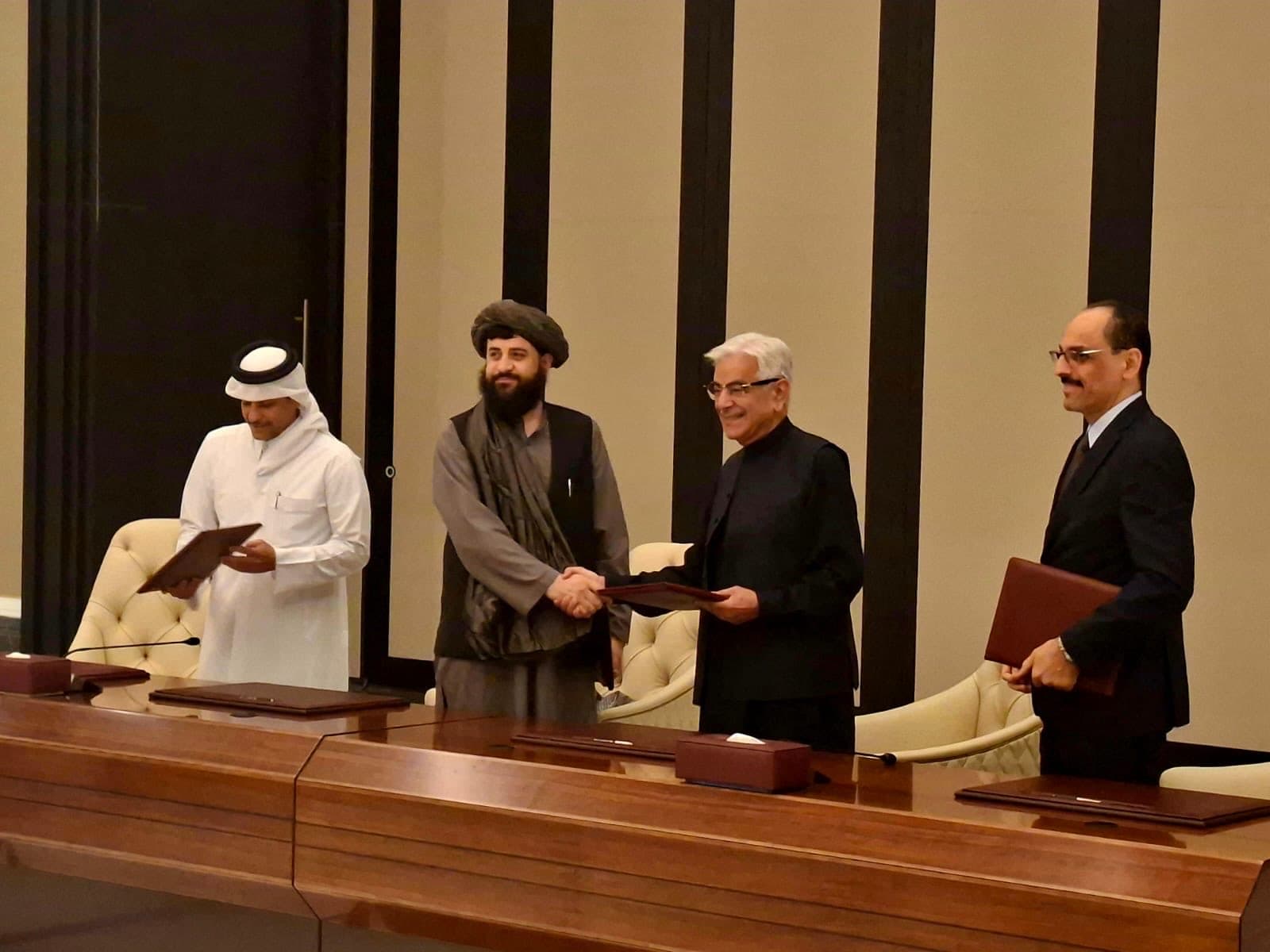
افغان طالبان احسان فراموش ,امن اورپاکستان کے دشمن. …Afghan Taliban forgetful of kindness, enemies of peace and Pakistan.
.(اصغر علی مبارک)… افغان طالبان احسان فراموش ,امن اورپاکستان کے دشمن ہیں پاکستان نے دہشت گردوں کے خلاف کارروائیاں کرنے کا فیصلہ کیاہے پاکستان حالت جنگ میں ہے کیونکہ پاکستان کے مشرق اور مغرب میں دشمن اکٹھے ہیں اور پاکستان کو نقصان پہنچانے کی کوشش کر رہے ہیں۔
’ہندو قوم پرستوں اور طالبان کے قدامت پسند نظریات میں کافی مماثلت ہے
فتنۃ الخوارج وہ اصطلاح ہے جسے ریاست کالعدم تحریکِ طالبان پاکستان (ٹی ٹی پی) کے دہشت گردوں کے لیے استعمال کرتی ہے، جب کہ بلوچستان میں فعال گروپوں کو فتنۃ الہندوستان قرار دے کر بھارت کے مبینہ کردار کو پاکستان میں دہشت گردی اور عدم استحکام میں اجاگر کیا جاتا ہے۔
استنبول میں مذاکرات ناکام، پاکستان کی دہشتگردوں کیخلاف کارروائی جاری رہے گی افغانستان کے طالبان حکمرانوں کے ساتھ تعلقات کو بہتر بنانے کے لیے بھارت کے معاہدے کو اکثر لوگ دشمن کے دشمن کو دوست بنانے کے اقدام کے طور پر دیکھ رہے ہیں، جوکہ کابل اور اسلام آباد کے درمیان بڑھتی کشیدگی کا واضح حوالہ ہے۔
وفاقی وزیر اطلاعات و نشریات عطا اللہ تارڑ نے کہا ہے کہ استنبول میں اسلام آباد اور کابل کے درمیان حالیہ مذاکرات کسی عملی حل تک نہیں پہنچ سکے، پاکستان اپنے شہریوں کو دہشت گردی سے محفوظ رکھنے کے لیے تمام ممکنہ اقدامات جاری رکھے گا۔
پاک افغان سرحد پر روزوں سے جاری جھڑپوں اور اسلام آباد کی جانب سے افغانستان میں گل بہادر گروپ کے ٹھکانوں پر حملوں کے بعد دونوں ممالک دوحہ میں مذاکرات کے لیے اکٹھے ہوئے تھے جس کے نتیجے میں عارضی جنگ بندی عمل میں آئی اور دیرپا امن و استحکام کے لیے استنبول میں دوبارہ ملاقات کرنے کا وعدہ کیا گیا تھا۔گزشتہ ہفتے دونوں فریقین کے درمیان ترکیہ کے دارالحکومت میں مذاکرات کے دوسرے دور کا آغاز ہوا تھا۔
وزیر اطلاعات نے بدھ کی صبح سوشل میڈیا پلیٹ فارم ’ایکس‘ پر کہا کہ ’پاکستان نے بھارتی حمایت یافتہ فتنۃ الخوارج اور بھارتی پیروکار فتنۃ الہندوستان کی جانب سے ’مسلسل سرحد پار دہشت گردی‘ کے حوالے سے افغان طالبان سے بارہا رابطہ کیا‘۔
اگرچہ بھارت نے ابھی تک طالبان حکومت کو باضابطہ طور پر تسلیم نہیں کیا ہے لیکن افغان وزیر خارجہ کا نئی دہلی میں پُرتپاک استقبال کیا گیا جبکہ دونوں ممالک نے عوامی سطح پر دلیرانہ بیانات بھی دیے جن پر پاکستان نے سخت ردعمل دیا۔ اس کے بعد افغان سرحد پر فوجی کارروائی بھی دیکھنے میں آئی
جس کے بارے میں کہا گیا کہ اس اشتعال انگیزی کا تعلق نئی دہلی سے تھا۔ تاہم یہ معاہدہ ایک ایسے وقت میں ہوا ہے کہ جب ہندو حقوق کے لیے اہم، ہندو قوم پرست راشٹریہ سویم سیوک سنگھ (آر ایس ایس) کی 100 سالہ تقریبات ہیں۔ مارکسسٹز نے طالبان اور آر ایس ایس کی ذہنیت کے ملاپ کے حوالے سے ایک اصطلاح کہی تھی جوکہ اب استعمال نہیں ہوتی۔ انہوں نے اسے ’قدامت پسندی میں اتحاد‘ قرار دیا۔ پاکستان نے چالیس سال تک لاکھوں افغان مہاجرین کی میزبانی کی پاکستان کے احسان کے بدلے میں افغانوں کارویہ ہمیشہ انتہائی سخت اور معاندانہ رہا ہے۔
حضرت علی ابن ابی طالب علیہ السلام کا فرمان ہے”جس پر احسان کرو اس کے شر سے بچو” یہ فرمان دراصل ہمیں سکھاتا ہے کہ احسان کرنے کے بعد اپنے آپ کو منفی ردعمل سے بچانا بھی ضروری ہے۔
احسان کا مطلب یہ نہیں کہ ہم دوسروں کی ناشکری یا برے رویے کو نظر انداز کرتے رہیں بلکہ اس سے مراد یہ ہے کہ ہم اپنی شرافت اور بلند ظرفی کو برقرار رکھتے ہوئے منفی حالات کا سامنا کریں۔ اگر اس شر سے نہ بچ سکے تو سمجھیں کہ خوار ہوئے۔ یعنی وقت ، وجود اور وسائل بھی برباد ہوئے اور اس کے صلے میں رب کی رضا بھی حاصل نہ ہوئی اور یوں ”نیکی برباد گناہ لازم“ والا معاملہ ہو گیا۔ افغان طالبان کے حکمرانوں سے کئی بار کہا گیا ہے کہ وہ دوحہ معاہدے میں پاکستان اور بین الاقوامی کمیونٹی کے لیے کیے گئے اپنے تحریری وعدے پورے کریں، تاہم افغان طالبان کی حکومت کے ساتھ پاکستان کی کاوشیں رائیگاں ثابت ہوئیں، کیونکہ انہوں نے بدستور پاکستان مخالف دہشت گردوں کی حمایت جاری رکھی۔ طالبان کا حکومتی طرزِ عمل افغان عوام کے تئیں کوئی ذمہ داری نہیں رکھتا اور وہ جنگی معیشت سے پلتے ہیں، اس لیے وہ افغان عوام کو غیر ضروری جنگ میں دھکیلنا چاہتے ہیں۔ پاکستان نے ہمیشہ افغانستان کے عوام کی امن و خوشحالی کے لیے خواہش، وکالت اور قربانیاں دی ہیں، اسی جذبے کے تحت پاکستان نے افغان طالبان کے ساتھ بے شمار مذاکرات کیے مگر بدقسمتی سے وہ ہمیشہ پاکستان کے نقصانات سے لاپروا رہے، 4 سال میں اتنے بڑے جانی و مالی نقصانات کے بعد پاکستان کی برداشت ختم ہو چکی ہے۔ امن کو موقع دینے کی کوشش میں اور قطر و ترکیہ کی درخواست پر پاکستان نے پہلے دوحہ اور پھر استنبول میں افغان طالبان کے ساتھ ایک نقطہ ایجنڈا پر بات چیت کی، یعنی افغان طالبان سے یہ درخواست کہ وہ افغان سرزمین کو دہشت گرد تنظیموں کے لیے ’ٹریننگ و لاجسٹکس بیس اور دہشت گردانہ کارروائیوں کے لیے جَمپ آف پوائنٹ‘ کے طور پر استعمال ہونے سے روکیں۔ وفاقی وزیر نے کہا کہ گزشتہ 4 روز مذاکرات میں افغان طالبان کے وفد نے پاکستان کے معقول و جائز مطالبے (قابلِ اعتبار اور فیصلہ کن کارروائی) سے کئی بار اتفاق کیا، پاکستان کی طرف سے کافی اور ناقابلِ تردید شواہد فراہم کیے گئے جو افغان طالبان اور میزبانوں نے تسلیم کیے، مگر افسوسناک طور پر افغان فریق نے کوئی یقین دہانی نہیں کروائی۔ افغان فریق بنیادی مسئلے سے ہٹتا رہا اور گفتگو کے آغاز کی اصل وجہ سے رخ موڑتا رہا، کسی ذمہ داری کو قبول کرنے کے بجائے افغان طالبان نے الزام تراشی، توجہ ہٹانے اور بہانے بازی کا سہارا لیا، لہٰذا مذاکرات کسی قابلِ عمل حل تک پہنچنے میں ناکام رہے۔ وزیر اطلاعات نے قطر، ترکیہ اور دیگر دوست ممالک کا شکریہ ادا کیا، جنہوں نے دہشت گردی کے مسئلے کا پرامن حل تلاش کرنے کی کوششیں کیں تاکہ دونوں ممالک اور خطے کی سلامتی و خوشحالی ممکن ہو سکے۔ انہوں نے کہا کہ اپنے عوام کی حفاظت پاکستان کے لیے ہر چیز سے مقدم ہے، ہم اپنے عوام کو دہشت گردی کے عفریت سے بچانے کے لیے تمام ضروری اقدامات جاری رکھیں گے اور عوام کو یقین دلاتے ہیں کہ پاکستان کی حکومت دہشت گردوں، ان کے ٹھکانوں، سہولت کاروں اور حامیوں کو ختم کرنے کے لیے درکار تمام وسائل بروئے کار لائے گی۔ وزیرِ اطلاعات کے بیان کے چند گھنٹے بعد وزیرِ دفاع خواجہ آصف نے کہا کہ ’کابل کے ساتھ ایک معاہدہ طے ہونے والا تھا،مگر مذاکرات کے دوران افغان نمائندے کابل سے رابطے کے بعد پیچھے ہٹ گئے‘۔ وزیرِ دفاع نے کہا کہ مذاکرات کار ’4 یا 5 بار‘ معاہدے سے اتفاق کرکے پیچھے ہٹ گئے، جب انہیں کابل سے ہدایات موصول ہوئیں۔ جب بھی ہم کسی معاہدے کے قریب پہنچے (خواہ پچھلے 4 دنوں میں یا پچھلے ہفتے) جب مذاکرات کاروں نے کابل کو رپورٹ کیا تو مداخلت ہوئی اور معاہدہ واپس لے لیا گیا۔ ان کا کہنا تھا کہ میرا خیال ہے مذاکرات سبوتاژ کیے گئے، ہمارے پاس ایک معاہدہ تھا، مگر پھر انہوں نے کابل کو فون کیا اور ڈیل سے پیچھے ہٹ گئے۔ وزیر دفاع نے کہا کہ میں ان کے وفد کی تعریف کروں گا، مگر کابل میں جو لوگ ڈوریں کھینچ رہے ہیں اور پردہ داری کا مظاہرہ کر رہے ہیں وہ دہلی کے زیرِ اثر ہیں کابل کی حکومت کے پاس اختیار نہیں، کیونکہ وہ ’دہلی سے کنٹرول‘ ہو رہی ہے اور بھارت افغانستان کو استعمال کر کے اسلام آباد کے خلاف بالواسطہ جنگ چھیڑ رہا ہے۔ بھارت اپنی مغربی سرحد پر شکست کا ازالہ کابل کے ذریعے کر رہا ہے، وہاں کے حکمرانوں میں ایسے عناصر شامل ہیں جو بھارت گئے اور وہاں کے مندروں کا دورہ کر چکے ہیں، بھارت پاکستان کے خلاف ایک کم شدت والی جنگ کرنا چاہتا ہے، اس کے لیے وہ کابل کا استعمال کر رہا ہے۔ جب انہیں افغانستان کی جانب سے لگائے گئے ایسے بیانات پر تبصرہ کرنے کو کہا گیا جس میں کہا گیا تھا کہ اگر مزید کشیدگی ہوئی تو وہ ’اسلام آباد پر حملہ‘ کر دیں گے، اس پر خواجہ آصف نے جواب دیا کہ اگر افغانستان نے اسلام آباد کی طرف دیکھا بھی تو ہم ان کی آنکھیں نکال دیں گے۔ انہوں نے مزید کہا کہ وہ دہشت گردوں کا استعمال کر سکتے ہیں اور وہ پہلے ہی کر رہے ہیں، گزشتہ چار سال سے وہ دہشت گردوں کا استعمال کر رہے ہیں۔ وزیر دفاع نے کہا کہ یہ بات واضح ہونی چاہیے کہ کابل پاکستان میں دہشت گردی کا ذمہ دار ہے، کابل دہلی کا آلہ کار ہے، اگر وہ، خدا نخواستہ، اسلام آباد پر حملہ کرنا چاہیں تو ہم انہیں منہ توڑ جواب دیں گے، اور یہ 50 گنا زیادہ شدید جواب ہوگا۔ منگل کو ترک اور قطری ثالث کاروں نے مذاکرات کو بچانے کی کوشش کی، جب پاکستان اور افغانستان کے طالبان کے درمیان بات چیت مختصر طور پر ’ناقابلِ حل اختلافات‘ کی وجہ سے ٹوٹ گئی تھی۔ سیکیورٹی ذرائع نے بتایا کہ مذاکرات ’افغان طالبان کی طرف سے دہشت گردی سے متعلق مسائل کے حل کے لیے عزم اور سنجیدگی کی کمی اور کسی تحریری یقین دہانی فراہم کرنے سے انکار‘ کے بعد ناکام ہوئے۔
پاکستان اور افغانستان کے درمیان تعلقات پیچیدہ رہے ہیں، پاکستان نے لاکھوں افغان مہاجرین کی میزبانی کی ، انہیں پناہ گاہ، خوراک اور دیگر بنیادی ضروریات فراہم کی ہیں۔افغانستان کی طرف سے وہی راگ الاپاجارہاہے کہ ’افغانستان سلطنتوں کا قبرستان ہے‘ سب سے پہلے تو پاکستان کوئی سلطنت نہیں جبکہ دوسری بات یہ کہ یہ خیال کسی افسانے سے کم نہیں۔
اگست 2021ء میں افغانستان سے امریکی افواج کے انخلا کے دوران سابق صدر جو بائیڈن نے اپنی تقریر میں کہا تھا کہ ’اب جو واقعات ہم دیکھ رہے ہیں وہ افسوس ناک طور پر اس بات کا ثبوت ہیں کہ کوئی بھی فوجی قوت کبھی بھی ایک مستحکم، محفوظ افغانستان کو ممکن نہیں بنا سکتی جو تاریخ میں سلطنتوں کے قبرستان کے نام سے جانا جاتا ہے
محقق الیگزینڈر ہینی خلیلی اس سے متفق نہیں۔ انہوں نے لکھا، ’بائیڈن کی جانب سے افغانستان کو سلطنتوں کا قبرستان قرار دیا جانا تاریخی اعتبار سے ان کی کم علمی کو ظاہر کرتا ہے‘۔ حقیقت یہ ہے کہ اس اصطلاح کا تاریخی بیانیے یا حقائق سے کوئی تعلق نہیں۔
الیگزینڈر ہینی خلیلی کے مطابق یہ اصطلاح (افغانستان کے تناظر میں) 2001ء میں پہلی بار فارن افیئرز جریدے کے لیے سینٹرل انٹیلی جنس ایجنسی (سی آئی اے) پاکستان کے سابق اسٹیشن چیف ملٹن بیئرڈن کی جانب سے لکھے گئے ایک مضمون میں سامنے آئی تھی۔ اس مضمون کا عنوان ہی ’افغانستان: گریویارڈ آف ایمپائرز‘ (سلطنتوں کا قبرستان) تھا۔ ملٹن بیئرڈن کے مضمون سے پہلے اس جملے کے استعمال کے حوالے سے بہت کم شواہد موجود ہیں۔2001ء میں جب امریکی افواج طالبان حکومت کو ختم کرنے اور سعودی شہریت رکھنے والے دہشت گرد اسامہ بن لادن کو تلاش کرنے کے لیے افغانستان پر حملے کی تیاری میں تھیں تب ملٹن بیئرڈن نے امریکی حکومت کو خبردار کرتے ہوئے دعویٰ کیا تھا کہ تاریخ میں کئی بڑی افواج نے افغانستان پر قبضے کی کوشش کی لیکن انہیں بے رحم افغان قبائل کے ساتھ مقابلوں میں سخت مشکلات کا سامنا کرنا پڑا تھا۔
ملٹن بیئرڈن نے اس سلسلے میں یونانی بادشاہ سکندر اعظم کا نام لیا، خونخوار منگول جنگجو چنگیز خان، برطانوی سلطنت اور سوویت یونین کی مثالیں پیش کیں جنہیں افغانوں نے ’شکست‘ دی۔لیکن الیگزینڈر ہینی خلیلی کے مطابق، ’ملٹن بیئرڈن کی دلیل تاریخی حقائق سے بالکل متصادم ہے‘۔ سکندر اعظم اور چنگیز خان نے نہ صرف افغانستان فتح کیا تھا بلکہ ان کے جان نشینوں نے ان کے بعد صدیوں افغانستان پر حکومت کی تھی۔ ’قبرستان‘ کا بیانیہ اس حقیقت کو بھی نظر انداز کرتا ہے کہ بہت سی سلطنتیں جیسے ہخامنشی، کوشان، مغل اور دیگر نے طویل عرصے تک افغانستان کے بڑے حصوں پر کامیابی سے حکومت کی تھی۔.
ہاں اس میں کوئی دو رائے نہیں کہ 19ویں صدی میں برطانوی افواج کو افغانستان میں شکستوں کا سامنا کرنا پڑا (کابل فتح کرنے کے بعد) لیکن مجموعی طور پر برطانوی سلطنت کو اس سے بہت ہی کم نقصان پہنچا۔ 1940ء کی دہائی کے وسط میں سلطنت کے ٹوٹنے تک وہ دنیا کی سب سے بڑی اور طاقتور ترین سلطنت کے طور پر قائم رہی۔ بنیادی طور پر وہ دوسری جنگ عظیم کے اثرات اور اس کے بعد ہونے والے نوآبادیات کے دور کی وجہ سے ٹوٹی تھی۔ افغانستان کا اس سے قطعاً کوئی تعلق نہیں تھا۔
اس کے باوجود بہت سے عسکری ماہرین اتفاق کرتے ہیں کہ افغانستان کو توڑنا آسان نہیں۔ تاہم اس حوالے سے ان کی رائے اکثر مبالغہ آمیز خیال پر مبنی نہیں ہے کہ افغانوں میں ایک ’افسانوی جنگی جذبہ‘ ہے جو سلطنتوں کو شکست دیتا ہے، اس کے بجائے ان کے خیالات رومانوی یا بہادری کے افسانوں سے نہیں بلکہ عملی فوجی و تزویراتی حقائق سے جڑے ہیں
لندن کے کنگز کالج میں دفاعی مطالعے کی تعلیم دینے والے پیٹرک پورٹر کے مطابق، افغانستان کی جغرافیہ ہی وہ وجہ ہے جو اسے فتح کرنے اور اسے کنٹرول کرنے کے لیے ایک مشکل ملک بناتی ہے۔ یہ پہاڑوں، صحراؤں اور انتہائی درجہ حرارت رکھنے والا ملک ہے جو نہ صرف جنگ لڑنے بلکہ لاجسٹک طور پر کام کرنے میں بھی مشکلات پیدا کرتا ہے۔ یہ نقل و حرکت کو محدود کرتا ہے اور حملہ آور فوج کے لیے طاقت کا استعمال مشکل بناتا ہے۔
یہ جملہ کہ ’افغانستان سلطنتوں کا قبرستان ہے‘، غالباً 1980ء کی دہائی میں افغانستان میں سوویت مخالف شورش کے دوران سی آئی اے کے رکن کے طور پر ملٹن بیئرڈن کے تجربات سے اخذ کیا گیا تھا۔ سی آئی اے اور پاکستان کی اہم انٹیلی جنس ایجنسی، آئی ایس آئی، دسمبر 1979ء میں افغانستان پر حملہ کرنے والے سوویت افواج کے خلاف لڑنے کے لیے افغان گروہوں (مجاہدین) کی مالی معاونت، انہیں مسلح کرنے اور تربیت دینے کے لیے مل کر کام کر رہے تھے۔
مجاہدین کو ان کی لڑائی کا جواز فراہم کرنے کے لیے بیانیہ اور وضاحتیں بھی دی گئیں۔ ان کی جدوجہد کو ایک ’ملحد حملہ آور‘ کے خلاف ’جہاد‘ اور اپنے ملک کو آزاد کرنے کی جنگ کے طور پر بیان کیا گیا۔ ان بڑے بیانیوں سے کئی چھوٹے بیانیے بھی ابھرے جو افغانوں کے ’تاریخی جنگجو جذبے‘ کے افسانوی تصورات پر مبنی تھے۔امریکی اور پاکستانی حکومتوں نے ان تصورات کو مضبوط کیا۔ انہوں نے انہیں مضبوط بنانے کے لیے مقبول ثقافتی حربوں کا بھی استعمال کیا۔ اس کی مثال میں ہولی وڈ کی بلاک بسٹر فلم ’ریمبو 3‘ شامل ہے جبکہ پاکستان کا ٹی وی ڈراما ’پناہ‘ بھی اس سلسلے میں اہم ہے۔
1985ء میں پشاور میں شائع ہونے والا ایک پمفلٹ بھی اہم تھا جس میں ایک سوویت مخالف جہادی گروپ نے دعویٰ کیا تھا کہ مجاہدین نے سوویت ٹینکوں کو تباہ کرنا شروع کردیا ہے جبکہ وہ ٹینکوں کے سامنے کھڑے ہوکر ’اللہ اکبر‘ کے نعرے لگا رہے تھے’۔
یہی وجہ ہے کہ کوئی بھی اس افسانے پر یقین کرسکتا ہے کہ ’افغانستان سلطنتوں کا قبرستان ہے‘ کیونکہ یہ اس وقت گردش کرنے والے کئی چھوٹے بیانیوں میں سے ایک تھا۔ لیکن اس بیانیے کو 2001ء میں ملٹن بیئرڈن نے مین اسٹریم کا حصہ بنایا جس نے جلد ہی سوویت مخالف سورش میں اپنے قدم جما لیے۔ لیکن ایسے مبصرین بھی ہیں جو یہ دعویٰ کرتے ہیں کہ یہ کہانی بھی افسانہ ہے کہ مجاہدین نے امریکی ہتھیاروں سے تنہا اپنے بل پر باآسانی سوویت افواج کو شکست دی تھی۔2011ء میں اپنی کتاب Afgansty میں برطانوی سفارت کار روڈرک بریتھویٹ نے لکھا ہے کہ سوویت فوجیوں اور مجاہدین کے درمیان جنگ دراصل تعطل پر ختم ہوئی۔ سوویت فوج نے کامیابی سے بڑے شہروں اور انفرااسٹرکچر پر قبضہ کرلیا تھا جبکہ مجاہدین شہر سے باہر کے علاقوں پر قابض تھے۔ روڈرک کے مطابق 1989ء میں سوویت انخلا، گھریلو سیاست اور فیصلہ کن فوجی شکست کے بجائے ایک مہنگی جنگ کو ختم کرنے کی خواہش کے مطابق عمل میں آیا تھا۔
’قبرستان‘ والا بیانیہ دو طریقوں سے کام کرتا ہے۔ طالبان نے 2000ء کی دہائی کی ابتدا میں اس کا استعمال شروع کیا جس سے وہ حملہ آوروں کو متنبہ کرتے تھے اور ناقابلِ تسخیر افغانستان کی افسانوی تصویر پیش کرتے تھے۔ دوسری جانب غیرافغان اس اصطلاح کا استعمال اپنی شکست کو معقول بنانے کی کوشش میں کرتے تھے کہ سب کو یہاں شکست ہوئی تھی تو ہم بھی اسی لیے ہارے ہیں۔ جو بائیڈن اپنی تقریر میں بالکل یہی کررہے تھے۔
دونوں ہی اعتبار سے یہ تصور بہت سادہ سا ہے جس نے جغرافیائی سیاسی پیچیدگیوں کو جنم دیا ہے جبکہ افغانستان اور وہاں لڑی جانے والی تمام جنگوں کو نئی شکل دی ہے۔ سربیا کے مؤرخ نیمنجا جووانوویچ نے 2022ء میں نشاندہی کی کہ اگرچہ افغانستان کے پاس وسائل کم ہیں لیکن اس کے محل وقوع نے اسے ہزاروں سالوں سے تزویراتی طور پر ایک اہم مقام کی حیثیت دی ہے۔
یہی وجہ ہے کہ بہت سے طاقتوں نے یہاں حملہ کرنے کی کوشش کی ہے۔ نیمنجا جووانوویچ نے تجویز دی کہ افغانستان کو ’سلطنتوں کا جنگی میدان‘ کہنا زیادہ درست رہے گا کیونکہ یہ وہ جگہ ہے جہاں بڑی طاقتیں خطے یا دنیا پر غلبہ حاصل کرنے کی کوشش میں آپس میں ٹکرائی ہیں۔افغانستان سے سرگرم عسکریت پسندوں کی جانب سے پاکستان پر حملوں اور مبینہ طور پر بھارت کے حمایت یافتہ حملوں کو جنوبی ایشیا میں اُبھرتی ہوئی طاقت بننے کے لیے پاکستان کی بڑھتی ہوئی ساکھ کے لیے خطرے کے طور پر دیکھا جارہا ہے۔حالیہ دورہ بھارت کے دوران عبوری وزیر خارجہ نے یہ بیان دیا کہ افغانستان نے برطانوی، سوویت یونین اور امریکی افواج کو شکست دی تھی۔ جی نہیں، ایسا بالکل نہیں تھا۔ اس وقت کے افغان حکمرانوں کو دوسری اینگلو-افغان جنگ (1878ء-1880ء) میں برطانیہ کے ہاتھوں فیصلہ کن شکست ہوئی تھی جس کے نتیجے میں برطانیہ نے افغانستان کو ’گریٹ گیم‘ کے دوران برطانوی راج اور روسی سلطنت کے درمیان ایک بفر زون میں تبدیل کر دیا تھا۔ عبدالرحمٰن خان نے برطانیہ کے زیرقبضہ ہندوستان کے ساتھ ڈیورنڈ لائن کو سرحد کے طور پر قبول کیا جس کی توثیق بعدازاں افغان حکمرانوں نے بھی کی تھی۔ جہاں تک سوویت یونین کا تعلق ہے تو ان کے افغانستان سے انخلا میں امریکا اور پاکستان کی مشترکہ کوششوں نے اہم کردار ادا کیا تھا جنہوں نے 1980ء کی دہائی میں افغان عوام کو سوویت سے بچایا تھا۔ 2001ء سے امریکا کی افغانستان میں موجودگی جاری رہی جو اُس وقت ختم ہوئی کہ جب خود امریکا نے اگست 2021ء میں انخلا کا فیصلہ کیا کیونکہ امریکی رائے عامہ دور دراز کی جنگوں کے خلاف ہو چکی تھی جبکہ پاکستان میں طالبان کو جو اسٹریٹجک پناہ حاصل تھی، وہ بھی اس فیصلے کی ایک بڑی وجہ بنی۔ گزشتہ 4 سال سے دنیا طالبان سے توقع کر رہی ہے کہ وہ امریکا کے ساتھ 2020ء میں طے پائے جانے والے دوحہ امن معاہدے کے تحت کیے گئے وعدوں کی پاسداری کریں گے۔ تاہم انہوں نے اس معاہدے کے تحت کیے جانے والے حقیقی نمائندہ حکومت کا قیام، خواتین کے حقوق کا احترام اور افغان سرزمین پر دہشت گرد تنظیموں کو کارروائی کی اجازت نہ دینے، کے تینوں وعدوں کی خلاف ورزی کی ہے۔ طالبان بالخصوص پاکستان کے ساتھ حال ہی میں ایک خاص مخالفانہ رویہ اختیار کررہے ہیں جبکہ وہ دوہری پالیسی چال چل رہے ہیں۔ سب سے پہلے تو وہ بھارت کے ساتھ اتحاد کررہے ہیں جس کا مقصد نہ صرف صحت، تعلیم اور بنیادی انفرااسٹرکچر میں بھارتی سرمایہ کاری سے فائدہ اٹھانا ہے بلکہ اس غلط فہمی کے تحت پاکستان پر دوہرا دباؤ ڈالنا بھی ہے کہ پاکستان کا دشمن افغانستان کا دوست ہے۔ دوسری جانب بھارت جو ماضی میں طالبان کو شدید تنقید کا نشانہ بناتا رہا ہے، اس نے اپنی پالیسی یکسر بدل دی ہے تاکہ وہ طالبان کو پاکستان کے خلاف استعمال کر سکے، بالکل اسی طرح جیسے طالبان بھارت کو پاکستان کے خلاف استعمال کر رہے ہیں۔ بھارت کو امید ہے کہ وہ طالبان کو پاکستان سے مزید دور لے جاسکے اور حتیٰ کہ چین کے اثر سے بھی نکال سکے۔ طالبان کی دوہری چال کا دوسرا رخ ان کی جارحانہ عسکری کارروائیوں میں اضافہ ہے جس کا مقصد پاک-افغان سرحد کو غیرمستحکم کرنا ہے (جس کی مثال 11 اور 12 اکتوبر 2025ء کے سرحدی واقعات ہیں) جبکہ پاکستان کی جانب سے افغان طالبان حکومت کی تحریک طالبان پاکستان (ٹی ٹی پی) اور دیگر پاکستان مخالف گروہوں کی حمایت پر مسلسل احتجاج کو نظر انداز کیا جا رہا ہے جوکہ پاکستان میں بچوں اور دیگر بے گناہ شہریوں کی شہادت میں ملوث ہیں پاکستان نے ان افغان حملوں کو ناکام بنادیا ہے اور طالبان فورسز اور ان کے ٹی ٹی پی اتحادیوں کو بھاری نقصان اٹھانا پڑا ہے۔ تاہم یہ بات واضح ہے کہ طالبان، پاکستان کے اس مطالبے پر کان دھرنے کو تیار نہیں کہ وہ اپنی سرزمین پر دہشتگرد عناصر کو پناہ نہ دیں۔ اس کے برعکس افغان قیادت ہر بار یہ مؤقف اختیار کرتی ہے کہ ان دہشتگردوں سے پاکستان کے اندر ہی نمٹا جائے۔ طالبان میڈیا بھی غلط معلومات پھیلانے میں پیش پیش ہے جوکہ بھارتی میڈیا کی ڈگر پر چلتا دکھائی دیتا ہے۔ طالبان اتنے ناشکرے اور اس قدر پاکستان دشمنی پر کیوں اتر آئے ہیں؟ گمان ہوتا ہے کہ وہ وسیع تر افغان معاشرے سے حمایت حاصل کرنے کے لیے قوم پرست بننے کی کوشش کر رہے ہیں۔ شاید وہ یہ تاثر دینا چاہتے ہیں کہ وہ پاکستان کے زیرِاثر نہیں ہیں۔ وہ شاید پاکستان کے خلاف استعمال کرنے کے امکان کے تحت ٹی ٹی پی کو پناہ دے رہے ہیں۔ تاہم اس تمام روش میں وہ اپنی طاقت کی صلاحیت کو حد سے زیادہ سمجھ رہے ہیں اور ممکن ہے کہ جلد ہی انہیں ایک تلخ حقیقت کا سامنا کرنا پڑے۔ ان کے لیے یہ سمجھداری ہوگی کہ وہ اپنی سرحدوں کے دفاع اور طالبان کے حمایت یافتہ دہشتگردوں کو شکست دینے کے پاکستان کے عزم کو کم نہ سمجھیں۔ تو پاکستان کو طالبان کے ساتھ کیسے نمٹنا چاہیے؟ اس اثنا میں فوری طور پر کئی اقدامات پر غور کیا جاسکتا ہے۔ سب سے پہلے پاکستان کو افغانستان (اور بھارت) کے ساتھ اپنی سرحدوں پر مضبوط دفاع کو ہر صورت برقرار رکھنا چاہیے۔ صرف طاقت ہی جارحیت کو روک سکتی ہے۔ دوسرا اہم اقدام یہ ہوگا کہ پاکستان کو کابل کو یہ واضح پیغام دینا چاہیے کہ بات چیت کے دروازے کھلے ہیں، بشرطیکہ طالبان، ٹی ٹی پی کی حمایت ختم کرنے کا پختہ اور عملی وعدہ کریں۔ اگر وہ اس میں ناکام رہتے ہیں تو پھر فوجی کارروائی سمیت تمام آپشنز کے امکانات موجود رہنے چاہئیں۔ تیسرا یہ کہ پاکستان کو سعودی عرب (جو اب باہمی دفاعی معاہدے میں پاکستان کا شراکت دار ہے)، چین، روس، ایران، وسطی ایشیائی جمہوریہ ممالک، ترکیہ، متحدہ عرب امارات اور امریکا تک سفارتی رابطے کے ذریعے طالبان پر دباؤ برقرار رکھنا چاہیے۔ القاعدہ کے ساتھ طالبان کی ماضی کی وابستگی کو مدنظر رکھتے ہوئے عالمی برادری کبھی بھی یہ نہیں چاہے گی کہ طالبان دوبارہ دہشتگرد تنظیموں کی میزبانی کریں۔ پاکستان کو بھی اپنی شکایات سلامتی کونسل کی قرارداد 1988ء (1267) کی پابندیوں کے تحت اقوام متحدہ میں درج کروانی چاہئیں۔ اسی دوران پاکستان کو اپنے ملک میں ایک وسیع اتفاق رائے قائم کرنا چاہیے تاکہ ماضی میں افغان مہاجرین کے حوالے سے اپنائی گئی فراخ دلانہ پالیسیز کا جائزہ لیا جا سکے۔ ان پالیسیز میں افغان طلبہ کے لیے اسکالرشپس، پاکستانی ہسپتالوں میں افغانوں کے لیے خصوصی ڈیسک، پاکستانی بندرگاہوں کے ذریعے ہونے والی ٹرانزٹ ٹریڈ پر کسٹم ڈیوٹیز جمع کرنا اور افغان معاشرے تک میڈیا کے ذریعے پیغام پہنچانا شامل ہیں۔ اس سلسلے میں ماہرین کو قابلِ عمل تجاویز پیش کرنے کے لیے شامل کیا جاسکتا ہے۔ پاکستان دشمنی میں طالبان اپنی طاقت کی صلاحیت کو حد سے زیادہ سمجھ رہے ہیں‘افغان طالبان حکومت کسی فریب کی دنیا میں جی رہی ہے۔ حالیہ دورہ بھارت کے دوران عبوری وزیر خارجہ نے یہ بیان دیا کہ افغانستان نے برطانوی، سوویت یونین اور امریکی افواج کو شکست دی تھی۔ جی نہیں، ایسا بالکل نہیں تھا۔ اس وقت کے افغان حکمرانوں کو دوسری اینگلو-افغان جنگ (1878ء-1880ء) میں برطانیہ کے ہاتھوں فیصلہ کن شکست ہوئی تھی جس کے نتیجے میں برطانیہ نے افغانستان کو ’گریٹ گیم‘ کے دوران برطانوی راج اور روسی سلطنت کے درمیان ایک بفر زون میں تبدیل کر دیا تھا۔ عبدالرحمٰن خان نے برطانیہ کے زیرقبضہ ہندوستان کے ساتھ ڈیورنڈ لائن کو سرحد کے طور پر قبول کیا جس کی توثیق بعدازاں افغان حکمرانوں نے بھی کی تھی۔ جہاں تک سوویت یونین کا تعلق ہے تو ان کے افغانستان سے انخلا میں امریکا اور پاکستان کی مشترکہ کوششوں نے اہم کردار ادا کیا تھا جنہوں نے 1980ء کی دہائی میں افغان عوام کو سوویت سے بچایا تھا۔ 2001ء سے امریکا کی افغانستان میں موجودگی جاری رہی جو اُس وقت ختم ہوئی کہ جب خود امریکا نے اگست 2021ء میں انخلا کا فیصلہ کیا کیونکہ امریکی رائے عامہ دور دراز کی جنگوں کے خلاف ہو چکی تھی جبکہ پاکستان میں طالبان کو جو اسٹریٹجک پناہ حاصل تھی، وہ بھی اس فیصلے کی ایک بڑی وجہ بنی۔ Afghan Taliban forgetful of kindness, enemies of peace and Pakistan. ….
.(Asghar Ali Mubarak)… Afghan Taliban forgetful of kindness, enemies of peace and Pakistan Pakistan has decided to take action against terrorists Pakistan is in a state of war because enemies are united in the east and west of Pakistan and are trying to harm Pakistan.
‘There is a lot of similarity between the conservative ideologies of Hindu nationalists and Taliban
Fitnat-ul-Kharij is the term used by the state for the terrorists of the banned Tehreek-e-Taliban Pakistan (TTP), while by calling the groups active in Balochistan Fitnat-ul-Hindustan, India’s alleged role in terrorism and instability in Pakistan is highlighted.
Negotiations in Istanbul fail, Pakistan’s action against terrorists will continue India’s agreement to improve relations with the Taliban rulers of Afghanistan is being seen by many as a move to make the enemy of the enemy a friend, which is a clear reference to the growing tension between Kabul and Islamabad.
Federal Minister for Information and Broadcasting Attaullah Tarar has said that the recent talks between Islamabad and Kabul in Istanbul could not reach any practical solution, Pakistan will continue to take all possible steps to protect its citizens from terrorism.
After the ongoing clashes on the Pak-Afghan border for days and Islamabad’s attacks on the Gul Bahadur group’s bases in Afghanistan, the two countries had come together for talks in Doha, which resulted in a temporary ceasefire and a promise to meet again in Istanbul for lasting peace and stability. The second round of talks between the two sides began in the Turkish capital last week.
The Information Minister said on the social media platform ‘X’ on Wednesday morning that ‘Pakistan has repeatedly contacted the Afghan Taliban regarding ‘continuous cross-border terrorism’ by the Indian-backed Fitnat-ul-Kharij and the Indian-followed Fitnat-ul-Hindustan.’
Although India has not yet formally recognised the Taliban government, the Afghan foreign minister was given a warm welcome in New Delhi, while both countries made bold public statements, to which Pakistan reacted strongly. This was followed by military action on the Afghan border,
which was said to be a provocation from New Delhi. However, the agreement comes at a time when Hindu rights activists are celebrating the 100th anniversary of the Hindu nationalist Rashtriya Swayamsevak Sangh (RSS). Marxists had coined a term for the convergence of the Taliban and RSS mindsets that is no longer used. They called it ‘unity in conservatism’. Pakistan hosted millions of Afghan refugees for four decades, and in return for Pakistan’s favor, the Afghans’ actions have always been extremely harsh and hostile.
Hazrat Ali Ibn Abi Talib (AS) said, “Beware of the evil of the one you show kindness to.” This saying actually teaches us that after doing kindness, it is also necessary to protect ourselves from negative reactions.
Kindness does not mean that we should ignore the ingratitude or bad behavior of others, but rather it means that we should face negative situations while maintaining our nobility and high morals. If we cannot avoid this evil, then we should understand that we have been humiliated. That is, time, existence and resources were also wasted and the pleasure of the Lord was not obtained in its favor, and thus it became a case of “goodness wasted, sin inevitable”. The rulers of the Afghan Taliban have been asked many times to fulfill their written promises made to Pakistan and the international community in the Doha Agreement, however, Pakistan’s efforts with the Afghan Taliban government proved to be in vain, because they continued to support anti-Pakistan terrorists. The Taliban government has no responsibility towards the Afghan people and they thrive on a war economy, so they want to push the Afghan people into an unnecessary war. Pakistan has always desired, advocated and sacrificed for the peace and prosperity of the people of Afghanistan. Under this spirit, Pakistan has held numerous talks with the Afghan Taliban, but unfortunately, they have always been indifferent to Pakistan’s losses. After such huge human and financial losses in 4 years, Pakistan’s patience has run out. In an attempt to give peace a chance and at the request of Qatar and Turkey, Pakistan first held talks with the Afghan Taliban in Doha and then in Istanbul on one point of the agenda, namely, requesting the Afghan Taliban to prevent Afghan soil from being used as a ‘training and logistics base and a jump-off point for terrorist acts’ for terrorist organizations. The Federal Minister said that in the last 4 days of talks, the Afghan Taliban delegation agreed to Pakistan’s reasonable and legitimate demands (credible and decisive action) several times. Pakistan provided sufficient and undeniable evidence which was accepted by the Afghan Taliban and the hosts, but unfortunately the Afghan side did not provide any assurance. The Afghan side kept deviating from the core issue and kept turning away from the real reason for starting the talks. Instead of accepting any responsibility, the Afghan Taliban resorted to blaming, diverting attention and making excuses, so the talks failed to reach any workable solution.who made efforts to find a peaceful solution to the issue of terrorism so that the security and prosperity of both countries and the region can be achieved. He said that the security of our people is paramount for Pakistan, we will continue to take all necessary steps to protect our people from the menace of terrorism and assure the people that the government of Pakistan will use all the resources required to eliminate terrorists, their hideouts, facilitators and supporters. A few hours after the information minister’s statement, Defense Minister Khawaja Asif said that ‘an agreement was about to be reached with Kabul, but during the negotiations, the Afghan representatives backed down after contacting Kabul’. The Defense Minister said that the negotiators had agreed to the agreement ‘4 or 5 times’ and backed down when they received instructions from Kabul. Whenever we came close to an agreement (whether in the last 4 days or last week), when the negotiators reported to Kabul, there was interference and the agreement was withdrawn. He said that I think the talks were sabotaged, we had an agreement, but then they called Kabul and backed out of the deal. The Defense Minister said that I would appreciate their delegation, but those in Kabul who are pulling the strings and showing cover are under the influence of Delhi. The Kabul government has no authority, because it is being ‘controlled from Delhi’ and India is using Afghanistan to wage an indirect war against Islamabad. India is avenging its defeat on its western border through Kabul, the rulers there include elements who have gone to India and visited temples there, India wants to wage a low-intensity war against Pakistan, for which it is using Kabul. When asked to comment on statements made by Afghanistan that if there is further tension, they will ‘attack Islamabad’, Khawaja Asif replied that even if Afghanistan looks towards Islamabad, we will gouge out its eyes. He added that they can and are already using terrorists, they have been using terrorists for the last four years. The defence minister said that it should be clear that Kabul is responsible for terrorism in Pakistan, Kabul is an instrument of Delhi, if they, God forbid, want to attack Islamabad, we will give them a befitting reply, and it will be 50 times more severe. On Tuesday, Turkish and Qatari mediators tried to save the talks, after talks between Pakistan and the Afghan Taliban briefly broke down due to “irresolvable differences”. Security sources said the talks failed due to “lack of commitment and seriousness on the part of the Afghan Taliban to resolve issues related to terrorism and refusal to provide any written assurances”.
Relations between Pakistan and Afghanistan have been complicated, with Pakistan hosting millions of Afghan refugees, providing them shelter, food and other basic necessities. The same refrain from Afghanistan is that ‘Afghanistan is a graveyard of empires’. First of all, Pakistan is not an empire, and secondly, this idea is nothing less than a myth.
In August 2021, during the withdrawal of US forces from Afghanistan, former President Joe Biden said in his speech that ‘the events we are now witnessing are tragic proof that no military force can ever make possible a stable, secure Afghanistan, which is known in history as the graveyard of empires.
Researcher Alexander Henny Khalili disagrees. He wrote, ‘Biden’s calling Afghanistan a graveyard of empires shows his lack of historical knowledge.’ The fact is that this term has nothing to do with historical narratives or facts.
According to Alexander Heni-Khalili, the term (in the context of Afghanistan) first appeared in 2001 in an article written for the journal Foreign Affairs by Milton Bearden, former Central Intelligence Agency (CIA) station chief in Pakistan. The article was titled ‘Afghanistan: Graveyard of Empires’. There is little evidence of the use of the phrase before Milton Bearden’s article. In 2001, when US forces were preparing to invade Afghanistan to overthrow the Taliban government and find Saudi-born terrorist Osama bin Laden, Milton Bearden warned the US government that many major forces in history had tried to occupy Afghanistan but had faced great difficulties in encounters with the ruthless Afghan tribes.
Milton Bearden cited the Greek king Alexander the Great, the bloodthirsty Mongol warrior Genghis Khan, the British Empire, and the Soviet Union as examples of those who were “defeated” by the Afghans.But according to Alexander Heni Khalili, ‘Milton Bearden’s argument is completely at odds with historical facts’. Alexander the Great and Genghis Khan not only conquered Afghanistan, but their descendants ruled Afghanistan for centuries after them. The ‘graveyard’ narrative also ignores the fact that many empires such as the Achaemenids, Kushans, Mughals and others had successfully ruled large parts of Afghanistan for long periods.
Yes, there is no doubt that British forces suffered defeats in Afghanistan in the 19th century (after conquering Kabul), but overall the British Empire suffered very little from this. It remained the largest and most powerful empire in the world until its collapse in the mid-1940s. It collapsed mainly due to the effects of World War II and the colonial era that followed. Afghanistan had absolutely nothing to do with it.
Yet many military experts agree that Afghanistan is not easy to break. However, their views on this are not based on the often exaggerated idea that Afghans have a ‘legendary war spirit’ that can defeat empires; instead, their ideas are rooted not in romantic or heroic tales but in practical military and strategic realities.
According to Patrick Porter, who teaches defence studies at King’s College London, Afghanistan’s geography is what makes it a difficult country to conquer and control. It is a country of mountains, deserts and extreme temperatures that pose challenges not only to fighting a war but also to operating logistically. It restricts movement and makes it difficult for an invading army to use force.
The phrase ‘Afghanistan is a graveyard of empires’ was probably coined by Milton Bearden during his experiences as a CIA officer during the anti-Soviet insurgency in Afghanistan in the 1980s. The CIA and Pakistan’s main intelligence agency, the ISI, were working together to finance, arm, and train Afghan groups (the mujahideen) to fight against Soviet forces that had invaded Afghanistan in December 1979.
The mujahideen were also given narratives and explanations to justify their fight. Their struggle was described as a ‘jihad’ against an ‘atheist invader’ and a war to liberate their country. From these grand narratives emerged several smaller narratives that were based on myths about the ‘historical warrior spirit’ of Afghans. The US and Pakistani governments reinforced these notions. They also used popular cultural tactics to reinforce them. Examples include the Hollywood blockbuster film ‘Rambo 3’, while the Pakistani TV drama ‘Panah’ is also important in this regard.
Also significant was a pamphlet published in Peshawar in 1985 in which an anti-Soviet jihadi group claimed that the mujahideen had begun destroying Soviet tanks while they stood in front of them and shouted ‘Allahu Akbar’.
This is why one might believe the myth that ‘Afghanistan is a graveyard of empires’ because it was one of many minor narratives circulating at the time. But this narrative was made mainstream in 2001 by Milton Bearden, who soon established himself in the anti-Soviet insurgency. But there are also observers who claim that this story is also a myth, that the mujahideen easily defeated the Soviet forces on their own, using American weapons. In his 2011 book Afghanistan, British diplomat Roderick Braithwaite wrote that the war between the Soviet troops and the mujahideen actually ended in a stalemate. The Soviet army had successfully captured the major cities and infrastructure, while the mujahideen held the areas outside the cities. According to Rodrick, the Soviet withdrawal in 1989 was driven by domestic politics and a desire to end a costly war rather than by a decisive military defeat.
The ‘graveyard’ narrative works in two ways. The Taliban began using it in the early 2000s to warn off invaders and to project a mythical image of an impregnable Afghanistan. On the other hand, non-Afghans used the term to rationalize their defeat by saying that everyone else had lost here, so we lost too. That is exactly what Joe Biden was doing in his speech.
In both ways, the concept is too simplistic, creating geopolitical complications while reshaping Afghanistan and all the wars fought there. Serbian historian Nemanja Jovanović pointed out in 2022 that although Afghanistan has few resources, its location has made it a strategically important place for thousands of years.
This is why many powers have tried to invade here. Nemanja Jovanović suggested that it would be more accurate to call Afghanistan a ‘battlefield of empires’ because it is a place where major powers have clashed in an attempt to dominate the region or the world.The attacks on Pakistan by militants operating from Afghanistan and allegedly supported by India are being seen as a threat to Pakistan’s growing reputation as a rising power in South Asia. During a recent visit to India, the caretaker foreign minister made the claim that Afghanistan had defeated British, Soviet and American forces. No, that was not the case at all. The then Afghan rulers had suffered a decisive defeat at the hands of Britain in the Second Anglo-Afghan War (1878-1880), which resulted in Britain turning Afghanistan into a buffer zone between the British Raj and the Russian Empire during the ‘Great Game’. Abdul Rahman Khan accepted the Durand Line as the border with British-occupied India, which was later ratified by the Afghan rulers. As for the Soviet Union, the joint efforts of the US and Pakistan played a major role in their withdrawal from Afghanistan, which saved the Afghan people from the Soviets in the 1980s. The US presence in Afghanistan continued since 2001, which ended when the US itself decided to withdraw in August 2021 because American public opinion had turned against distant wars, while the strategic sanctuary that the Taliban enjoyed in Pakistan was also a major reason for this decision. For the past 4 years, the world has been expecting the Taliban to abide by the promises made under the Doha Peace Agreement signed with the US in 2020. However, they have violated all three promises made under this agreement: the establishment of a truly representative government, respect for women’s rights, and not allowing terrorist organizations to operate on Afghan soil. The Taliban have recently adopted a particularly hostile attitude towards Pakistan, especially while pursuing a dual policy. First, they are forming an alliance with India, not only to benefit from Indian investment in health, education, and basic infrastructure, but also to double-dip Pakistan under the misconception that Pakistan’s enemy is Afghanistan’s friend. On the other hand, India, which has been a fierce critic of the Taliban in the past, has radically changed its policy to use the Taliban against Pakistan, just as the Taliban are using India against Pakistan. India hopes to drive the Taliban further away from Pakistan and even out of China’s influence. The other side of the Taliban’s double game is their increased aggressive military operations aimed at destabilizing the Pak-Afghan border (as exemplified by the border incidents of October 11 and 12, 2025), while ignoring Pakistan’s continued protest against the Afghan Taliban government’s support for the Tehreek-e-Taliban Pakistan (TTP) and other anti-Pakistan groups that are involved in the killing of children and other innocent civilians in Pakistan. Pakistan has thwarted these Afghan attacks and the Taliban forces and their TTP allies have suffered heavy losses. However, it is clear that the Taliban are not ready to listen to Pakistan’s demand that they not shelter terrorist elements on its soil. On the contrary, the Afghan leadership always takes the position that these terrorists should be dealt with inside Pakistan. The Taliban media is also at the forefront of spreading misinformation, which seems to be following the path of the Indian media. Why are the Taliban so ungrateful and so hostile to Pakistan? It seems that they are trying to be nationalistic in order to gain support from the wider Afghan society. Perhaps they want to give the impression that they are not under the influence of Pakistan. They may be harboring the TTP in the hope of using it against Pakistan. However, in all this, they are overestimating the potential of their power and may soon face a harsh reality. It would be wise for them not to underestimate Pakistan’s determination to defend its borders and defeat Taliban-backed terrorists. So how should Pakistan deal with the Taliban? In the meantime, several immediate steps can be considered. First, Pakistan must maintain strong defenses on its borders with Afghanistan (and India) at all costs. Only force can deter aggression. The second important step would be for Pakistan to send a clear message to Kabul that the door to talks is open, provided that the Taliban makes a firm and practical promise to end its support for the TTP. If they fail to do so, then all options, including military action, should be kept open. Third, Pakistan should maintain pressure on the Taliban through diplomatic outreach to Saudi Arabia (now Pakistan’s partner in the Mutual Defense Treaty), China, Russia, Iran, Central Asian republics, Turkey, the United Arab Emirates, and the United States. Given the Taliban’s past association with Al Qaeda, the international community would never want the Taliban to host terrorist organizations again. Pakistan should also register its grievances with the United Nations under the sanctions of Security Council Resolution 1988 (1267). At the same time, Pakistan should build a broad consensus within its own country to review the generous policies it has adopted in the past towards Afghan refugees. For the past four years, the world has been expecting the Taliban to live up to the promises they made under the 2020 Doha peace agreement with the United States. However, they have violated all three of the promises made under the agreement: the establishment of a truly representative government, respect for women’s rights, and not allowing terrorist organizations to operate on Afghan soil. The Taliban have been adopting a particularly hostile attitude towards Pakistan in particular recently, while they are pursuing a dual policy. First, they are allying with India, which aims not only to benefit from Indian investment in health, education, and basic infrastructure, but also to put double pressure on Pakistan under the misconception that Pakistan’s enemy is Afghanistan’s friend. On the other hand, India, which has been a strong critic of the Taliban in the past, has completely changed its policy so that it can use the Taliban against Pakistan, just as the Taliban is using India against Pakistan. India hopes to drive the Taliban further away from Pakistan and even out of China’s influence. The other side of the Taliban’s double standard is their increased aggressive military operations aimed at destabilizing the Pak-Afghan border (as exemplified by the border incidents of October 11 and 12, 2025), while ignoring Pakistan’s continued protests against the Afghan Taliban government’s support for the Tehreek-e-Taliban Pakistan (TTP) and other anti-Pakistan groups that are involved in the killing of children and other innocent civilians in Pakistan. So far, Pakistan has thwarted these Afghan attacks, and the Taliban forces and their TTP allies have suffered heavy losses. However, it is clear that the Taliban are not ready to listen to Pakistan’s demand that they not harbor terrorist elements on its soil. On the contrary, the Afghan leadership always puts the responsibility on Pakistan and takes the position that these terrorists should be dealt with inside Pakistan. The Taliban media is also at the forefront of spreading misinformation, which seems to be following in the footsteps of the Indian media. Why are the Taliban so ungrateful and so anti-Pakistan? It seems that they are trying to be nationalists to garner support from the wider Afghan society. Perhaps they want to give the impression that they are not under the influence of Pakistan. They may be sheltering the TTP in the hope of using it against Pakistan. However, in all this, they are overestimating the potential of their power and may soon have to face a harsh reality. It would be wise for them not to underestimate Pakistan’s determination to defend its borders and defeat Taliban-backed terrorists. So how should Pakistan deal with the Taliban? In the meantime, several immediate steps can be considered. First, Pakistan must maintain strong defenses on its borders with Afghanistan (and India) at all costs. Only force can deter aggression. The second important step would be for Pakistan to send a clear message to Kabul that the door to talks is open, provided the Taliban make a firm and practical commitment to end their support for the TTP. If they fail to do so, then all options, including military action, should remain open. Third, Pakistan should maintain pressure on the Taliban through diplomatic outreach to Saudi Arabia (now Pakistan’s partner in the Mutual Defense Treaty), China, Russia, Iran, the Central Asian republics, Turkey, the United Arab Emirates, and the United States. Given the Taliban’s past association with Al Qaeda, the international community would never want the Taliban to host terrorist organizations again. Pakistan should also register its grievances with the United Nations under the sanctions of Security Council Resolution 1988 (1267). At the same time, Pakistan should build a broad consensus within its own country to review its past generous policies towards Afghan refugees. These policies include scholarships for Afghan students, special desks for Afghans in Pakistani hospitals, collection of customs duties on transit trade through Pakistani ports, and media outreach to Afghan society. Experts can be involved in this regard to come up with actionable suggestions. As a long-term measure, Pakistan should try to win the hearts and minds of citizens living in the border areas of the former FATA through development works. These people are Pakistan’s first line of defense against terrorism from Afghanistan.


