

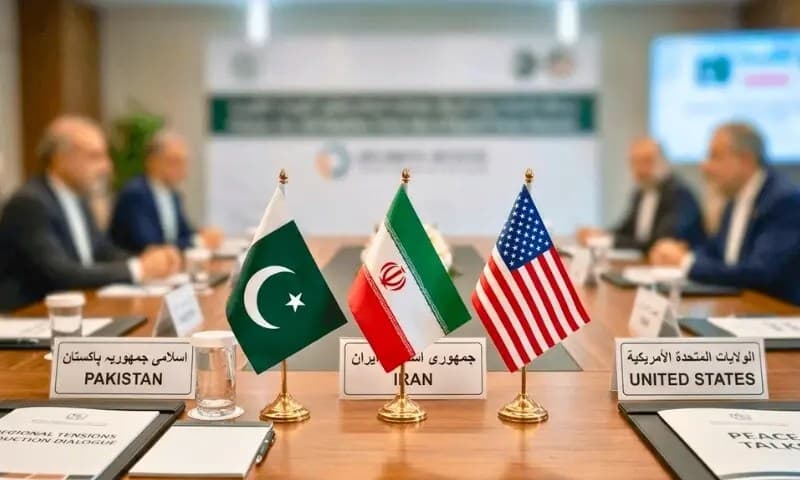
US-Iran War and the Critical Role of Pakistan:امریکہ ایران جنگ اور پاکستان کا نازک کردار:
(علیزہ شمشاد چوہدری )
عالمی منظرنامے پر مشرقِ وسطیٰ ہمیشہ سے ہی عالمی طاقتوں کی کھینچا تانی کا مرکز رہا ہے، لیکن موجودہ سال 2026 میں امریکہ اور ایران کے درمیان ہونے والے براہِ راست فوجی تصادم نے خطے کو ایک ہولناک اور وسیع تر جنگ کے دہانے پر لا کھڑا کیا ہے۔ اس سنگین صورتحال نے جہاں پوری دنیا کی معیشت اور سکیورٹی کو خطرے میں ڈالا، وہاں پاکستان کو اپنی تاریخ کے سب سے نازک تزویراتی اور سفارتی امتحان کا سامنا ہے۔ پاکستان کے لیے یہ بحران کسی آگ کے دریا کو عبور کرنے سے کم نہیں، جہاں ایک طرف برادر اسلامی پڑوسی ملک ایران ہے اور دوسری طرف طویل المدتی معاشی و دفاعی شراکت دار امریکہ کھڑا ہے۔بحران کا پس منظراس جنگ کا باقاعدہ آغاز فروری 2026 کے اواخر میں ہوا جب امریکی افواج نے ایران کے خلاف باقاعدہ فوجی آپریشن کا آغاز کیا۔ اس آپریشن کے ابتدائی مرحلے میں ایران کے اہم عسکری اور سیاسی ڈھانچے پر شدید فضائی حملے کیے گئے، جس کے جواب میں ایران نے پورے مشرقِ وسطیٰ میں امریکی تنصیبات، سفارت خانوں اور تجارتی جہازوں پر سیکڑوں میزائلوں اور ڈرونز سے جوابی حملے کیے۔ تہران میں کمانڈ کی فوری منتقلی اور جوابی کارروائیوں نے واشنگٹن کو حیران کر دیا اور یہ تصادم دیکھتے ہی دیکھتے ایک باقاعدہ جنگی صورتحال اختیار کر گیا۔ اس تصادم کے نتیجے میں آبنائے ہرمز (Strait of Hormuz) اور بحیرہ احمر میں تجارتی جہازوں کی آمد و رفت معطل ہو گئی، جس سے عالمی سطح پر تیل اور گیس کی سپلائی شدید متاثر ہوئی اور ایندھن کی قیمتوں میں اچانک بڑا اضافہ دیکھنے کو ملا۔ پاکستان کے لیے یہ صورتحال انتہائی پیچیدہ تھی کیونکہ ایران کے ساتھ پاکستان کی 900 کلومیٹر طویل سرحد ہے۔ ایران میں عدم استحکام کا براہِ راست اثر بلوچستان کی سکیورٹی پر پڑتا ہے۔
پاکستان نے خلیجی ممالک بالخصوص سعودی عرب کے ساتھ اہم تزویراتی اور دفاعی روابط برقرار رکھے ہوئے ہیں۔ دوسری طرف، پاکستان آئی ایم ایف (IMF) پروگرام اور معاشی بقا کے لیے امریکہ پر انحصار کرتا ہے۔ کسی بھی ایک فریق کا ساتھ دینا پاکستان کو داخلی یا خارجی طور پر بڑی تباہی سے دوچار کر سکتا تھا۔اسلام آباد کی سفارت کاریماضی کی روایتی غیر جانبداری سے ہٹ کر، پاکستان نے اس بحران میں فرنٹ فٹ پر آ کر ایک فعال اور جرات مندانہ “سوئچ بورڈ ڈپلومیسی” کا آغاز کیا۔ پاکستانی عسکری اور سیاسی قیادت نے واشنگٹن اور تہران کے مابین خفیہ اور اعلانیہ بیک چینل سفارت کاری کو متحرک کیا۔پاکستانی وزارتِ خارجہ کی مخلصانہ کوششوں کے باعث اسلام آباد میں دونوں ممالک کے وفود کے درمیان طویل مذاکرات ہوئے۔ اس اہم ترین ثالثی کے نتیجے میں پہلے اپریل 2026 میں ایک عارضی جنگ بندی ممکن ہوئی، اور بعد ازاں جون 2026 میں فریقین کے مابین ایک تاریخی یادداشتِ تفاہم پر دستخط کیے گئے، جس کے تحت آبنائے ہرمز کو دوبارہ کھولنے اور عارضی طور پر جنگ بندی پر اتفاق کیا گیا۔ عالمی مبصرین اور بین الاقوامی میڈیا نے پاکستان کی اس سفارتی کامیابی کو سراہتے ہوئے اسے خطے کے امن کے لیے ایک تاریخی سنگِ میل قرار دیا۔چین اور روس کا کردارامریکہ ایران جنگ میں چین اور روس کا کردار محض تماشائی کا نہیں رہا، بلکہ دونوں سپر پاورز نے تہران کے پیچھے ایک مضبوط تزویراتی ڈھال فراہم کی ہے۔ چین، جو اپنی 60 فیصد سے زائد توانائی کی ضروریات کے لیے مشرقِ وسطیٰ کے تیل پر انحصار کرتا ہے، نے امریکہ کے حملوں کی شدید مذمت کی اور اسے بین الاقوامی قوانین کی کھلی خلاف ورزی قرار دیا۔ چین نے ایران کو اہم مواصلاتی اور سیٹلائٹ ڈیٹا فراہم کیا، جس کی مدد سے ایرانی افواج امریکی فضائی حملوں کا قبل از وقت پتا لگانے میں کامیاب رہیں۔دوسری جانب، روس نے اس بحران میں تہران کا بھرپور دفاعی ساتھ دیا۔ ماسکو نے بحیرہ کیسپین کے راستے ایران کو جدید فضائی دفاعی نظام اور اینٹی شپ کروز میزائلوں کی سپلائی تیز کر دی۔ بیجنگ اور ماسکو کا یہ گٹھ جوڑ جہاں ایران کو امریکی ناکہ بندی کے خلاف کھڑے رہنے کا حوصلہ دے رہا ہے، وہاں اس نے واشنگٹن کے لیے مشرقِ وسطیٰ میں یکطرفہ فتح کو ناممکن بنا دیا ہے۔ پاکستان کے لیے یہ صورتحال اس لیے بھی سازگار رہی کیونکہ چین پاکستان کا سب سے قریبی معاشی شراکت دار (CPEC کا ضامن) ہے، اور چین روس بلاک کا جھکاؤ پاکستان کی غیر جانبدارانہ ثالثی کی کوششوں کو مزید مضبوط بنیادیں فراہم کرتا ہے۔موجودہ چیلنجزاگرچہ پاکستان کی سفارت کاری نے دنیا کو ایک بڑی جنگ سے بچا لیا تھا، لیکن یہ امن زیادہ دیر برقرار نہ رہ سکا۔ جولائی 2026 کے آغاز میں آبنائے ہرمز پر بالادستی قائم کرنے کی دوبارہ کوششوں اور تجارتی جہازوں پر حملوں کے بعد، امریکی انتظامیہ نے اس معاہدے کو منسوخ کرنے کا اعلان کر دیا۔تازہ ترین صورتحال کے مطابق، امریکہ نے دوبارہ ایرانی بندرگاہوں کی ناکہ بندی کر دی ہے اور ایرانی شہری انفراسٹرکچر پر حملوں کی دھمکی دی ہے۔ دوسری طرف، ایران نے خطے میں امریکی بحری بیڑے کے کمانڈ سینٹرز پر میزائل داغ دیے ہیں۔ اس بگڑتی ہوئی صورتحال میں پاکستان نے واضح کیا ہے کہ اس بحران کا واحد حل صرف اور صرف مذاکرات ہیں اور پاکستان دوبارہ فریقین کو میز پر لانے کے لیے کوشاں ہے۔ امریکہ اور ایران کے درمیان جولائی 2026 میں دوبارہ بھڑکنے والی یہ آگ پاکستان کی خارجہ پالیسی کا اب تک کا سب سے بڑا امتحان ہے۔ پاکستان نے یہ ثابت کر دیا ہے کہ وہ خطے میں کسی بھی بڑی طاقت کا آلہ کار بننے کے بجائے ایک آزاد اور بااثر “امن قائم کرنے والے” ملک کے طور پر ابھرا ہے۔ تاہم، معاہدے کے خاتمے کے بعد پیدا ہونے والی نئی صورتحال میں پاکستان کو انتہائی ہوشیاری, دور اندیشی اور متوازن پالیسی پر کاربند رہنا ہوگا تاکہ وہ اپنی معیشت اور سکیورٹی کو محفوظ رکھتے ہوئے عالمی امن میں اپنا یہ تاریخی کردار برقرار رکھ سکے۔اس کے علاوہ عالمی منظرنامے پر مشرقِ وسطیٰ ہمیشہ سے ہی عالمی طاقتوں کی کھینچا تانی کا مرکز رہا ہے، لیکن موجودہ سال 2026 میں امریکہ اور ایران کے درمیان ہونے والے براہِ راست فوجی تصادم نے خطے کو ایک ہولناک اور وسیع تر جنگ کے دہانے پر لا کھڑا کیا ہے۔ اس سنگین صورتحال نے جہاں پوری دنیا کی معیشت اور سکیورٹی کو خطرے میں ڈالا، وہاں پاکستان کو اپنی تاریخ کے سب سے نازک تزویراتی اور سفارتی امتحان کا سامنا ہے۔ پاکستان کے لیے یہ بحران کسی آگ کے دریا کو عبور کرنے سے کم نہیں، جہاں ایک طرف برادر اسلامی پڑوسی ملک ایران ہے اور دوسری طرف طویل المدتی معاشی و دفاعی شراکت دار امریکہ کھڑا ہے۔بحران کا پس منظراس جنگ کا باقاعدہ آغاز فروری 2026 کے اواخر میں ہوا جب امریکی افواج نے ایران کے خلاف باقاعدہ فوجی آپریشن کا آغاز کیا۔ اس آپریشن کے ابتدائی مرحلے میں ایران کے اہم عسکری اور سیاسی ڈھانچے پر شدید فضائی حملے کیے گئے، جس کے جواب میں ایران نے پورے مشرقِ وسطیٰ میں امریکی تنصیبات، سفارت خانوں اور تجارتی جہازوں پر سیکڑوں میزائلوں اور ڈرونز سے جوابی حملے کیے۔ تہران میں کمانڈ کی فوری منتقلی اور جوابی کارروائیوں نے واشنگٹن کو حیران کر دیا اور یہ تصادم دیکھتے ہی دیکھتے ایک باقاعدہ جنگی صورتحال اختیار کر گیا۔ اس تصادم کے نتیجے میں آبنائے ہرمز (Strait of Hormuz) اور بحیرہ احمر میں تجارتی جہازوں کی آمد و رفت معطل ہو گئی، جس سے عالمی سطح پر تیل اور گیس کی سپلائی شدید متاثر ہوئی اور ایندھن کی قیمتوں میں اچانک بڑا اضافہ دیکھنے کو ملا۔ پاکستان کے لیے یہ صورتحال انتہائی پیچیدہ تھی کیونکہ ایران کے ساتھ پاکستان کی 900 کلومیٹر طویل سرحد ہے۔ ایران میں عدم استحکام کا براہِ راست اثر بلوچستان کی سکیورٹی پر پڑتا ہے۔
پاکستان نے خلیجی ممالک بالخصوص سعودی عرب کے ساتھ اہم تزویراتی اور دفاعی روابط برقرار رکھے ہوئے ہیں۔ دوسری طرف، پاکستان آئی ایم ایف (IMF) پروگرام اور معاشی بقا کے لیے امریکہ پر انحصار کرتا ہے۔ کسی بھی ایک فریق کا ساتھ دینا پاکستان کو داخلی یا خارجی طور پر بڑی تباہی سے دوچار کر سکتا تھا۔اسلام آباد کی سفارت کاریماضی کی روایتی غیر جانبداری سے ہٹ کر، پاکستان نے اس بحران میں فرنٹ فٹ پر آ کر ایک فعال اور جرات مندانہ “سوئچ بورڈ ڈپلومیسی” کا آغاز کیا۔ پاکستانی عسکری اور سیاسی قیادت نے واشنگٹن اور تہران کے مابین خفیہ اور اعلانیہ بیک چینل سفارت کاری کو متحرک کیا۔پاکستانی وزارتِ خارجہ کی مخلصانہ کوششوں کے باعث اسلام آباد میں دونوں ممالک کے وفود کے درمیان طویل مذاکرات ہوئے۔ اس اہم ترین ثالثی کے نتیجے میں پہلے اپریل 2026 میں ایک عارضی جنگ بندی ممکن ہوئی، اور بعد ازاں جون 2026 میں فریقین کے مابین ایک تاریخی یادداشتِ تفاہم پر دستخط کیے گئے، جس کے تحت آبنائے ہرمز کو دوبارہ کھولنے اور عارضی طور پر جنگ بندی پر اتفاق کیا گیا۔ عالمی مبصرین اور بین الاقوامی میڈیا نے پاکستان کی اس سفارتی کامیابی کو سراہتے ہوئے اسے خطے کے امن کے لیے ایک تاریخی سنگِ میل قرار دیا۔چین اور روس کا کردارامریکہ ایران جنگ میں چین اور روس کا کردار محض تماشائی کا نہیں رہا، بلکہ دونوں سپر پاورز نے تہران کے پیچھے ایک مضبوط تزویراتی ڈھال فراہم کی ہے۔ چین، جو اپنی 60 فیصد سے زائد توانائی کی ضروریات کے لیے مشرقِ وسطیٰ کے تیل پر انحصار کرتا ہے، نے امریکہ کے حملوں کی شدید مذمت کی اور اسے بین الاقوامی قوانین کی کھلی خلاف ورزی قرار دیا۔ چین نے ایران کو اہم مواصلاتی اور سیٹلائٹ ڈیٹا فراہم کیا، جس کی مدد سے ایرانی افواج امریکی فضائی حملوں کا قبل از وقت پتا لگانے میں کامیاب رہیں۔دوسری جانب، روس نے اس بحران میں تہران کا بھرپور دفاعی ساتھ دیا۔ ماسکو نے بحیرہ کیسپین کے راستے ایران کو جدید فضائی دفاعی نظام اور اینٹی شپ کروز میزائلوں کی سپلائی تیز کر دی۔ بیجنگ اور ماسکو کا یہ گٹھ جوڑ جہاں ایران کو امریکی ناکہ بندی کے خلاف کھڑے رہنے کا حوصلہ دے رہا ہے، وہاں اس نے واشنگٹن کے لیے مشرقِ وسطیٰ میں یکطرفہ فتح کو ناممکن بنا دیا ہے۔ پاکستان کے لیے یہ صورتحال اس لیے بھی سازگار رہی کیونکہ چین پاکستان کا سب سے قریبی معاشی شراکت دار (CPEC کا ضامن) ہے، اور چین روس بلاک کا جھکاؤ پاکستان کی غیر جانبدارانہ ثالثی کی کوششوں کو مزید مضبوط بنیادیں فراہم کرتا ہے۔موجودہ چیلنجزاگرچہ پاکستان کی سفارت کاری نے دنیا کو ایک بڑی جنگ سے بچا لیا تھا، لیکن یہ امن زیادہ دیر برقرار نہ رہ سکا۔ جولائی 2026 کے آغاز میں آبنائے ہرمز پر بالادستی قائم کرنے کی دوبارہ کوششوں اور تجارتی جہازوں پر حملوں کے بعد، امریکی انتظامیہ نے اس معاہدے کو منسوخ کرنے کا اعلان کر دیا۔تازہ ترین صورتحال کے مطابق، امریکہ نے دوبارہ ایرانی بندرگاہوں کی ناکہ بندی کر دی ہے اور ایرانی شہری انفراسٹرکچر پر حملوں کی دھمکی دی ہے۔ دوسری طرف، ایران نے خطے میں امریکی بحری بیڑے کے کمانڈ سینٹرز پر میزائل داغ دیے ہیں۔ اس بگڑتی ہوئی صورتحال میں پاکستان نے واضح کیا ہے کہ اس بحران کا واحد حل صرف اور صرف مذاکرات ہیں اور پاکستان دوبارہ فریقین کو میز پر لانے کے لیے کوشاں ہے۔ امریکہ اور ایران کے درمیان جولائی 2026 میں دوبارہ بھڑکنے والی یہ آگ پاکستان کی خارجہ پالیسی کا اب تک کا سب سے بڑا امتحان ہے۔ پاکستان نے یہ ثابت کر دیا ہے کہ وہ خطے میں کسی بھی بڑی طاقت کا آلہ کار بننے کے بجائے ایک آزاد اور بااثر “امن قائم کرنے والے” ملک کے طور پر ابھرا ہے۔ تاہم، معاہدے کے خاتمے کے بعد پیدا ہونے والی نئی صورتحال میں پاکستان کو انتہائی ہوشیاری, دور اندیشی اور متوازن پالیسی پر کاربند رہنا ہوگا تاکہ وہ اپنی معیشت اور سکیورٹی کو محفوظ رکھتے ہوئے عالمی امن میں اپنا یہ تاریخی کردار برقرار رکھ سکے۔ US-Iran War and the Critical Role of Pakistan
(Aliza Shamshad Chaudhry)Whenever the clouds of war loom in the Gulf, a silent but very serious wave of tension runs through the corridors of power in Islamabad.
If the decades-old ideological and political rivalry between the US and Iran ever turns into a regular horrific war, then the first, deepest and most direct impact on the country will be Pakistan. Considering geographical and strategic constraints, Pakistan and Iran share a border of about 900 kilometers.

In the current economic and security situation, Pakistan can never afford to offend such an important Islamic neighbor with which its borders are directly connected. Pakistan is still suffering the consequences of the long war in Afghanistan in the past in the form of terrorism and refugees, so opening another permanent front on its western border would prove to be completely disastrous for Pakistan’s national security.
On the other hand, the United States has been a long-term strategic and economic partner of Pakistan. Whether it is the Cold War or the post-9/11 war on terror, Pakistan has always been an important part of the US alliance.
Although Pakistan-China relations have deepened strategically in recent years, the United States is still the largest global market for Pakistani exports, and it is simply not possible for Pakistan to ignore American political and financial influence in global financial institutions such as the IMF and the World Bank in the current fragile economic situation. The economic and energy crisis that could result from this potential confrontation could break Pakistan’s back.
At a time when Pakistan is already struggling with severe economic challenges, debt burdens, and runaway inflation, any minor military escalation in the Persian Gulf would suddenly send global crude oil prices skyrocketing.
Pakistan imports a large portion of its energy and petroleum needs from the Gulf countries. The war situation in the Persian Gulf and the Strait of Hormuz will severely affect the movement of ships and supply lines, as a result of which the prices of petroleum products, gas and electricity within Pakistan will become completely out of reach of the common man and the country’s industrial and economic wheel will be in danger of completely stalling. Along with this external pressure, a major internal challenge for Pakistan is to maintain the country’s social balance and peace and order.
Pakistan is a multicultural country where people of different schools of thought live, and many Pakistanis have deep religious, historical and cultural ties with Iran.
Indirect support for any such American move or military action, which directly harms Iran, can give rise to a strong public reaction, sectarian tension and a wave of large-scale protests within Pakistan, which will severely sabotage the country’s internal peace and order structure.
Considering all these grim facts and strategic constraints, Pakistan’s role in this potential war can only be one of strict neutrality and sincere mediation.
Pakistan has made this principled position clear many times in the past that it will never allow its land, airspace or military bases to be used against any other country.
In this complex situation, Pakistan’s best and sustainable strategy should be to categorically refuse to be part of any side’s war and not to be part of any military alliance or covert operation.
At the same time, Pakistan should aggressively use back-channel diplomacy and diplomatic channels to reduce tensions between the two countries, in collaboration with China, Saudi Arabia and other regional powers,
so that the region can be saved from a major catastrophe. Moreover, security along its long border with Iran must be made foolproof immediately so that the effects of war, any possible attack or refugee pressure do not worsen the situation in Pakistan’s border areas.
In a potential war between the US and Iran, Pakistan has no room for sentimentality, personal likes or dislikes. Islamabad must put its own expedient, realistic and survival-based national interest first. This war will not be Pakistan’s own war, and keeping itself aloof from this horrific conflict and raising a diplomatic voice for peace is the only guarantee of Pakistan’s survival, economy and national security. Meanwhile On the global scene, the Middle East has always been the center of tension between world powers, but the direct military confrontation between the US and Iran in the current year 2026 has brought the region to the brink of a horrific and wider war. While this serious situation has jeopardized the economy and security of the entire world, Pakistan is facing the most critical strategic and diplomatic test in its history. For Pakistan, this crisis is nothing less than crossing a river of fire, where on one side is the brotherly Islamic neighbor Iran and on the other side stands the long-term economic and defense partner America. Background to the Crisis The war officially began in late February 2026 when US forces launched a regular military operation against Iran. The initial phase of the operation involved heavy airstrikes on key Iranian military and political structures, prompting Iran to retaliate with hundreds of missiles and drones at US installations, embassies and commercial vessels across the Middle East. The rapid transfer of command in Tehran and the retaliatory actions surprised Washington, and the conflict quickly escalated into a full-scale war. The conflict resulted in the suspension of commercial shipping in the Strait of Hormuz and the Red Sea, severely disrupting global oil and gas supplies and causing a sudden spike in fuel prices. The situation was particularly complex for Pakistan, as it shares a 900-km border with Iran. Instability in Iran has a direct impact on the security of Balochistan.
Pakistan maintains important strategic and defense ties with the Gulf states, particularly Saudi Arabia. On the other hand, Pakistan relies on the United States for its IMF program and economic survival. Supporting either side could have led to major internal or external catastrophe for Pakistan. Islamabad’s diplomacy: Breaking from its traditional neutrality of the past, Pakistan entered the crisis on the front foot and initiated an active and bold “switchboard diplomacy.” Pakistani military and political leadership mobilized covert and overt back-channel diplomacy between Washington and Tehran. The sincere efforts of the Pakistani Foreign Ministry led to lengthy negotiations between delegations from both countries in Islamabad. This crucial mediation first led to a temporary ceasefire in April 2026, and later to the signing of a historic memorandum of understanding between the parties in June 2026, under which the reopening of the Strait of Hormuz and a temporary ceasefire were agreed upon. Global observers and international media praised Pakistan’s diplomatic success, calling it a historic milestone for regional peace. The role of China and Russia in the US-Iran war has not been that of mere spectators, but the two superpowers have provided a strong strategic shield behind Tehran. China, which relies on Middle Eastern oil for more than 60 percent of its energy needs, strongly condemned the US attacks and called them a clear violation of international law. China provided Iran with vital communications and satellite data, with the help of which Iranian forces were able to detect US air strikes in advance. On the other hand, Russia provided Tehran with strong defensive support in this crisis. Moscow has accelerated the supply of modern air defense systems and anti-ship cruise missiles to Iran via the Caspian Sea. While this alliance between Beijing and Moscow is encouraging Iran to stand firm against the US blockade, it has also made it impossible for Washington to achieve a unilateral victory in the Middle East. This situation has also been favorable for Pakistan because China is Pakistan’s closest economic partner (guarantor of CPEC), and the leaning of the China-Russia bloc provides a stronger foundation for Pakistan’s impartial mediation efforts. Current Challenges Although Pakistan’s diplomacy had saved the world from a major war, this peace could not last long. In early July 2026, after renewed attempts to establish supremacy in the Strait of Hormuz and attacks on commercial ships, the US administration announced the cancellation of this agreement. According to the latest situation, the US has again blockaded Iranian ports and threatened attacks on Iranian civilian infrastructure. On the other hand, Iran has fired missiles at the command centers of the US fleet in the region. In this deteriorating situation, Pakistan has made it clear that the only solution to this crisis is negotiations and Pakistan is trying to bring the parties to the table again. The rekindling of tensions between the US and Iran in July 2026 is the biggest test yet for Pakistan’s foreign policy. Pakistan has proven that it has emerged as an independent and influential “peacemaker” rather than a tool of any major power in the region. However, in the new situation that has emerged since the end of the deal, Pakistan will have to adopt a very prudent, far-sighted and balanced policy so that it can maintain its historic role in world peace while safeguarding its economy and security.


