

Revival of Lollywood once again begins at twin cities leading Pakistani film stars Meera,Mezum Ali, Shamyl Khan ,Haider Sultan,Rachil khan are in action romantic film ”Baaghi The Rebel”.
By, Asghar Ali Mubarak


Revival of Lollywood once again begins at twin cities leading Pakistani film stars Meera,Mezum Ali, Shamyl Khan ,Haider Sultan,Rachil khan are in action romantic film ”Baaghi The Rebel”.
By, Asghar Ali Mubarak
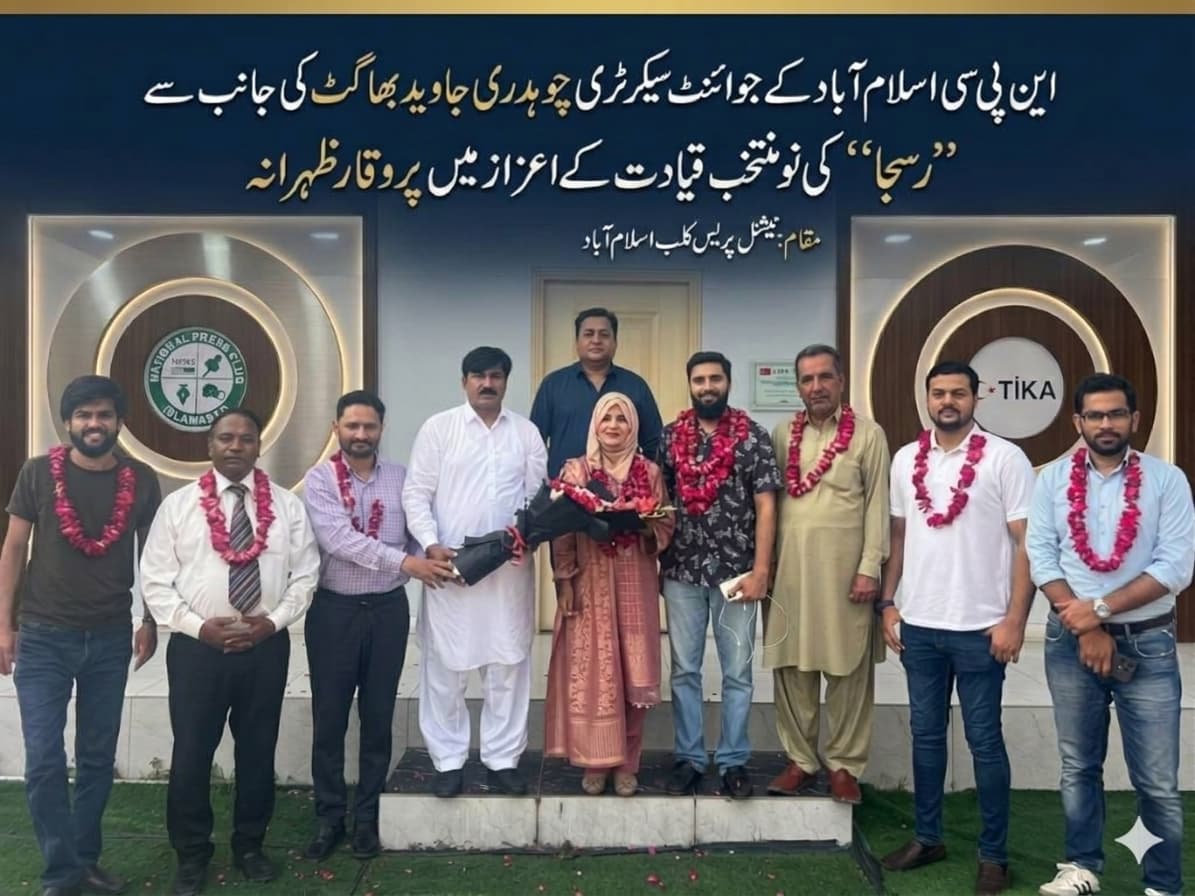
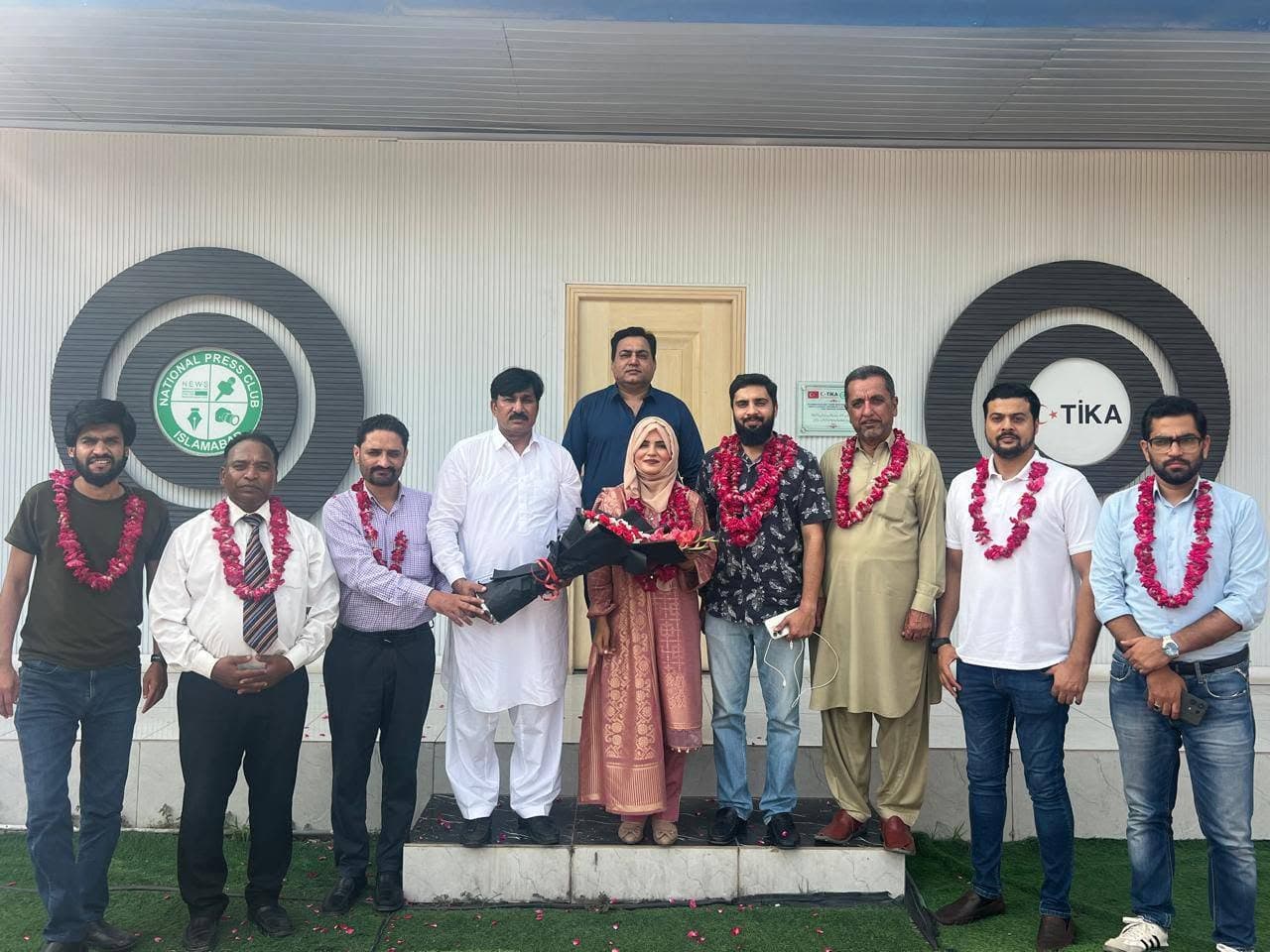
Islamabad —-” The Rebel- Baaghi -”is a Lollywood action romantic drama Pakistani film , starring Meera,Mezum Ali, Shamyl Khan ,Haider Sultan,Rachil khan etc , which will released next week . The Rebel movie opens with a dedication, which reads: “In this year of the girl child, we dedicate our film to those women, who have been victimized by lust and greed and are subjected to social rejection and also laud those who strived to uplift them.” The rebel is Taymoor ‘S idea The revival of Lollywood once again begins at twin cities, some leading Pakistani film stars Meera,Mezum Ali, Shamyl Khan ,Haider Sultan,Rachil khan etc are in new action romantic film ”Baaghi The Rebel”which will on silver screen from mid of this month . The Pakistani film industry always had wings; it has now begun to fly. First, Zindagi redefined the TV viewing experience in India by bringing us the shows. Though content and treatment has been raised as a concern in films like Bin Roye and Dekh Magar Pakistani youth who anxiously wait for film to release in Islamabad. The revival of Lollywood Pakistani film industry start in early 2003 the young filmmakers took on a stance to demonstrate that high quality content could be produced by the local film industry using the limited resources available. Cinema was declining in all major cities of the nation and a need for revival was echoed in the media. With privatization of television stations in full swing, a new channel Filmazia was broadcast, primarily to broadcast films and productions made indigenously in the country. It was during this time that Mahesh Bhatt, a celebrated Indian director visited Pakistan looking for talent, particularly singers who could lend their voices to his upcoming films in India. His visit to Pakistan was to attend the third Kara Film Festival, for the screenings of his film Paap in Karachi. Bhatt would later hire Atif Aslam for the soundtrack of his film Zeher and Pakistani actress Meera to play a lead-role in one of his films. Later in 2005, industry officials realized that the government needed to lift the ban for the screening of Bollywood films in Pakistan. The issue was voiced by the Film Producers Association (FPA) and the Cinema Owners Association (CAO) of Pakistan after the release of the colourised premastering of the 1960 classic Mughal-e-Azam. However, release of Akbar Khan’s Taj Mahal: An Eternal Love Story was granted. The film was released by Eveready Pictures and did record business at the box office.[37] When the government turned down the request, Geo Films, a subsidiary of Geo TV took on itself to invest in upcoming Pakistani directorial ventures, dubbed their efforts “Revival of Pakistani Cinema” and on 20 July 2007 released Shoaib Mansoor‘s cinematic directorial début Khuda Ke Liye (In The Name of God). It would become the first Pakistani film since the imposition of the ban in 1965 to be released in both India and Pakistan. With its general release in India, the four-decade ban was lifted. The film was released in more than a 100 cinemas in 20 cities in India. The Cinema of Pakistan refers to Pakistan‘s film industry. Most of the feature films shot in Pakistan are in Urdu, the national language, but may also include films in English, the official language, and regional languages such as Punjabi, Pashto,Balochi, and Sindhi. Lahore was the epicenter of Pakistani cinema and Pakistan’s largest film industry was Lollywood.Pakistani new filmmaker Taymoor along with his team is going the distance by producing quality films with depth. That being stated, at this crucial point in the local film ‘scene’ (not industry, yet), one should not laud a mediocre home-grown production just because it carries with it the ‘made in Pakistan’ stamp. The filmmakers need to continue striving for excellence by pushing boundaries and challenging themselves. Time to jump out of that average rut.”To measure the impact of Pakistani films in an overseas market, Shamil khan told the media about coming movie. Shamil khan hoped to see Pakistani films upping the entertainment quotient and challenging the norms just like Pakistani dramas and music. Here is what they have to say: “Finally, the new wave of Pakistani cinema is here. It is encouraging, heart-warming and terribly exciting. Remember how we questioned the revival of Pakistani cinema many moons ago? Will it be able to sustain itself, heal itself, and better itself? Now, look, it’s actually happening. The cast and crew of BAGHEE at the national press club Islamabad to promote the film. Pakistani cinema is finally rolling in and churning out some exciting and some average projects. Whether there is a cult film like Manto or a mindless comedy like Wrong Number, the new film industry is diverse, offering something to everyone, everywhere, locally and abroad. Already films like Seedlings and Dukhtar received critical acclaim at international film festivals and this year Moor is being sent off as Pakistan’s official Academy Award submission. “What stands out for me is how these have been marketed. The Pakistani film industry is leaving small but noteworthy footprints; we believe that will mark the next stage in Pakistani cinema where it will delve upon more complex narratives.”With channels like Zee Zindagi and Hum MENA, the familiarity of Pakistani stars in the Islamabad tremendously. Pakistani dramas have proved to be the best, Pakistani dramas have a firm grip on the tribulations of real life and they look real. Perhaps this is the reason that all the recent film projects have television stars such as Mahira Khan, Humayun Saeed, Danish Taimoor, Ayesha Omer, Fahad Mustafa, Saba Qamar and Sarmad Khoosat etc in leading roles. Infact, it wouldn’t be wrong to say that the recent revival of films in Pakistan is riding on the success of the television stars!Before the of Bangladesh, Pakistan had three main film production centres: Lahore,Karachi and Dhaka. Dhaka as a film centre was lost after the creation of Bangladesh in 1971. The regime of Muhammad Zia-ul-Haq, VCRs, film piracy, the introduction of entertainment taxes, and Islamic laws and the subsequent ‘Islamization’ of Pakistani society, have been some of the many obstacles to the industry’s growth.[3] Once thriving, the cinema in Pakistan had a sudden collapse in the 1980s and by the 2000s “an industry that once produced an average of 80 films annually was now struggling to even churn out more than two films a year.
.