

Information Minister expresses satisfaction over people-friendly and balanced budget,عوام دوست اور متوازن بجٹ پر وزیر اطلاعات کا اظہار اطمینان،


تحریر :اصغر علی مبارک
وفاقی وزیر اطلاعات عطاء اللہ تارڑ نے قومی اسمبلی میں بجٹ اجلاس سے خطاب اور میڈیا بیانات کے دوران مالی سال 27-2026 کے وفاقی بجٹ میں تنخواہ دار طبقے کو دیئے گئے انکم ٹیکس ریلیف پر انتہائی اطمینان کا اظہار کیا ہے، انہوں نے اپوزیشن جماعتوں پر زور دیا کہ وہ سیاسی اختلاف سے ہٹ کر حکومت کے اس عوامی اور مثبت اقدام کی کھل کر تعریف کریں۔
وزیر اطلاعات نے واضح کیا کہ ملک کو ڈیفالٹ کے خطرات سے نکالنے کے بعد اب معاشی استحکام کے ثمرات براہِ راست عوام تک پہنچائے جا رہے ہیں۔وزیر اطلاعات کا ہونا تھا کہ ماہانہ 50,000 روپے یعنی سالانہ 6 لاکھ روپے تک کمانے والے ملازمین پر کوئی ٹیکس عائد نہیں کیا گیا۔ ماہانہ 50 ہزار سے 1 لاکھ روپے تک کی آمدن پر محض 1 فیصد ٹیکس برقرار رکھا گیا ہے۔ انہوں نے کہا کہ جمہوری روایات کا تقاضا ہے کہ تنخواہ دار طبقے کے لئے کئے گئے ان تاریخی اقدامات کو سراہا جائے، وزیر اطلاعات نے بتایا کہ حکومت کی معاشی اصلاحات کی بدولت مہنگائی سنگل ڈیجٹ میں آ چکی ہے اور پالیسی ریٹ 11 فی صد پر آ گیا ہے۔ بجٹ 27 – 2026 میں انکم ٹیکس کی نئی اور کم شدہ شرحیں حکومت کی جانب سے تنخواہ دار طبقے کے مختلف سلیبز کے لئے ٹیکس کی شرح میں واضح کمی پیش کی گئی ہے اس کے مطابق سالانہ 22 لاکھ سے 32 لاکھ روپے کمانے والوں کے لئے ٹیکس 23 فی صد سے کم کرکے 20 فی صد،
سالانہ 32 لاکھ سے 41 لاکھ روپے کمانے والوں کے لئے ٹیکس30 فی صد سے کم کرکے 25 فی صد، 41 لاکھ سے 56 لاکھ روپے کمانے والوں کے لئے ٹیکس 35 فی صد کم کرکے 29 فی صد اور 56 لاکھ سے 70 لاکھ روپے سالانہ کمانے والوں کے لئے ٹیکس 35 فی صد سے کم کرکے 32 فی صد کرنے کی تجویز ہے۔ اس کے علاوہ، تنخواہ دار طبقے پر عائد 9 فی صد اضافی سرچارج کو بھی مکمل طور پر ختم کر دیا گیا ہے تاکہ ملازمت پیشہ افراد کی جیب پر بوجھ کم ہو سکے،
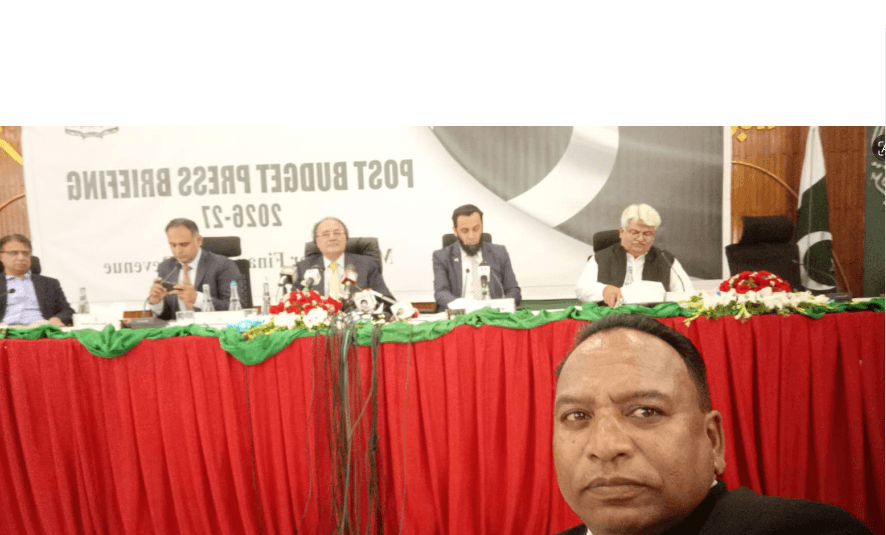
پوسٹ بجٹ پریس بریفنگ کے دوران اصغر علی مبارک نے وزیر اطلاعات کو 12 سوالات پر مشتمل تحریری سوال نامہ پیش کیا۔۔۔۔
وزیر اطلاعات سے براہ راست سوال پوچھتے ہوئے سینئر تجزیہ کار اصغر علی مبارک نے مشکل حالات میں عوام دوست بجٹ حکومت کو مبارکباد پیش کرتے ہوئے کہا۔ ۔۔۔۔
کہ عوام دوست اور متوازن ہے,
سوال یہ ہے کہ.
سرکاری ملازمین کی تنخواہیں: “آپ نے بجٹ میں سرکاری ملازمین کی تنخواہوں اور پینشن میں صرف 7 فیصد اضافہ تجویز کیا ہے،
جبکہ ملک میں گزشتہ چند سالوں کی اوسط مہنگائی اس سے کہیں زیادہ رہی ہے۔ کیا یہ اضافہ موجودہ معاشی حالات میں اونٹ کے منہ میں زیرے کے برابر نہیں ہے؟
مزدور کی کم از کم اجرت میں 10 فی صد اضافہ تو کیا گیا ہے، لیکن نجی شعبے میں اس پر عمل درآمد کروانے کے لیے حکومت کے پاس کیا ٹھوس میکانزم ہے؟
بجٹ میں تنخواہ دار طبقے کے لیے 4 نئے ٹیکس سلیبز متعارف کروا کر 3 فیصد ریلیف کا دعویٰ کیا گیا ہے،
لیکن دوسری طرف بالواسطہ ٹیکسز (Indirect Taxes) اور پٹرولیم لیوی میں اضافے سے یہ ریلیف ختم ہو جائے گا۔ تنخواہ دار طبقے پر مجموعی بوجھ کم کرنے کے لیے کوئی مستقل پالیسی کیوں نہیں بنائی گئی؟
چھوٹے دکانداروں پر 1 فیصد فکسڈ ٹیکس لگایا گیا ہے، لیکن ہول سیلرز اور بڑے نان فائلر تاجروں کو اب بھی ٹیکس نیٹ میں لانے کے لیے سخت اقدامات کیوں نہیں نظر آ رہے؟
بجٹ کا سب سے بڑا حصہ (تقریباً 8,054 ارب روپے) صرف قرضوں پر سود کی ادائیگی میں جا رہا ہے۔ اس دلدل سے نکلنے اور آئی ایم ایف کے نئے پروگرام کے تحت لگنے والی کڑی شرائط سے عام آدمی کو بچانے کا کیا پلان ہے؟
حکومت نے 23,775 گرین جابز اور ماحولیاتی اقدامات کا ذکر تو کیا ہے، لیکن موسمیاتی تبدیلیوں (Climate Change) سے سب سے زیادہ متاثر ہونے والے چھوٹے کسانوں کے لیے کھاد، بیج اور سولر ٹیوب ویل پر براہ راست سبسڈی دینے کا کوئی بڑا اعلان کیوں نہیں سامنے آیا؟”
بجٹ دستاویزات کے مطابق، ملکی ریونیو کا سب سے بڑا حصہ قرضوں پر سود کی ادائیگی (8,054 ارب روپے) اور دوسرا بڑا حصہ دفاع (3,000 ارب روپے ) پر خرچ ہو جائے گا۔ ان دو بڑے اخراجات کے بعد حکومت کے پاس ترقیاتی منصوبوں اور پسماندہ طبقات کو ریلیف دینے کے لیے کیا رقم بچے گی؟ کیا ہم مستقل خسارے کا بجٹ بنانے کی طرف نہیں جا رہے؟”
بھارت کا کل دفاعی بجٹ لگ بھگ 80 ارب ڈالر کے قریب ہے، جبکہ پاکستان کا بجٹ صرف 9 ارب ڈالر کے ارد گرد ہے۔
پاکستان کا دفاعی بجٹ ہر سال بڑھ رہا ہے، لیکن ہماری دفاعی صنعت (Defense Industry) سے حاصل ہونے والی برآمدات اور غیر ملکی زرمبادلہ کے ذخائر انتہائی کم ہیں۔ کیا اس بجٹ میں کوئی ایسا ہدف مقرر کیا گیا ہے جس سے ملکی معیشت پر بوجھ بننے کے بجائے زرمبادلہ کمانے کا ذریعہ بنے؟
یہ کہ مئی 2025 کے پاک-بھارت فضائی ٹکراؤ اور پاک-افغان سرحد پر مسلسل آپریشنز کے بعد ملکی دفاعی ضروریات بلاشبہ بڑھ چکی ہیں۔ لیکن اس بجٹ میں دفاع کے لیے 3,000 ارب روپے مختص کرنے کے بعد، آئی ایم ایف کی شرائط کے تحت ترقیاتی بجٹ کو بری طرح کاٹا گیا ہے۔ کیا حکومت یہ سمجھتی ہے کہ ایک دباؤ کا شکار اور کمزور معیشت کے ساتھ، صرف دفاعی بجٹ بڑھا کر ملک کو تزویراتی طور پر طویل عرصے تک محفوظ رکھا جا سکتا ہے؟ وفاقی وزیر برائے اطلاعات و نشریات عطا اللہ تارڑ نے کہا ہے کہ اگلے مالی سال کا بجٹ ریلیف پر مبنی ہے اور اس میں معاشرے کے تمام طبقات کے مطالبات کا خیال رکھا گیا ہے۔اس موقع پر وفاقی وزیر اطلاعات عطا تارڑ نے حکومت کی معاشی اصلاحات کی تعریف کرتے ہوئے کہا کہ ملکی تاریخ میں اتنی بڑی اصلاحات کبھی نہیں ہوئیں، ایف بی آر یعنی ٹیکس وصول کرنے والے ادارے کا تمام اسٹرکچر اب ہر قسم کی سفارش سے بالکل پاک ہے اور اس میں مکمل شفافیت کو یقینی بنایا گیا ہے۔
انہوں نے عوام کو یقین دلایا کہ تنکا تنکا جوڑ کر بجٹ میں یہ گنجائش پیدا کی گئی ہے اور بجٹ میں عوام کو زیادہ سے زیادہ ریلیف دیا گیا ہے کیونکہ وزیراعظم عوام کو ریلیف دینے کے لیے ہر دم تیار رہتے ہیں اور ہماری معاشی ٹیم نے اس عوام دوست بجٹ کو بنانے کے لیے بہت زیادہ محنت کی ہے۔ وزیر اطلاعات نے معیشت پر بات کرتے ہوئے مزید کہا کہ جب کسی برآمد کنندہ کا منافع بڑھتا ہے تو وہ نئی انڈسٹری لگاتا ہے اور یہ ایکسپورٹ یعنی باہر مال بیچنے کا ماڈل پوری معیشت پر اچھے اثرات ڈالتا ہے۔ انہوں نے خوشی کا اظہار کرتے ہوئے کہا کہ ہماری ہاؤسنگ اسکیم کی بدولت اب ایک عام ڈرائیور اور مزدور کو بھی اپنا گھر بنانے کے لیے قرضہ ملا ہے جو ایک بہت بڑی تبدیلی ہے۔ وزیر اطلاعات نے قومی اسمبلی میں اگلے مالی سال کے بجٹ پر جاری بحث میں حصہ لیتے ہوئے کہا کہ بجٹ کو ماہرینِ اقتصادیات اور رائے عامہ بنانے والوں سمیت مختلف حلقوں کی جانب سے مثبت ردِعمل ملا ہے۔عطا اللہ تارڑ نے اس بات پر روشنی ڈالی کہ بجٹ میں تنخواہ دار طبقے کو بڑا ریلیف دیا گیا ہے اور انہوں نے واضح کیا کہ یہ ریلیف پورے تنخواہ دار طبقے کے لیے ہے۔ انہوں نے نشاندہی کی کہ 50,000 روپے ماہانہ تک کمانے والوں پر کوئی ٹیکس نہیں ہے، جبکہ 50,000 سے 100,000 روپے ماہانہ کمانے والوں پر صرف 1 فیصد ٹیکس لاگو ہوتا ہے۔وزیر اطلاعات نے بجٹ میں برآمد کنندگان (ایکسپورٹرز) کو دیے گئے ریلیف کا بھی ذکر کیا۔ انہوں نے نوٹ کیا کہ تعمیراتی شعبے کے لیے ریلیف کے ساتھ ساتھ ’اپنا گھر اسکیم‘ سے ملک میں اقتصادی سرگرمیوں کو فروغ ملے گا اور لوگوں کو روزگار کے مواقع ملیں گے۔ ایف بی آر میں اصلاحات کا حوالہ دیتے ہوئے عطا اللہ تارڑ نے کہا کہ ایسا نظام متعارف کرایا گیا ہے جس کے تحت ٹیکس دہندگان پر اب ان لوگوں کا بوجھ نہیں پڑے گا جو ٹیکس ادا نہیں کرتے۔مالی سال کے بجٹ پر جاری بحث میں حصہ لیتے ہوئے انہوں نے نوٹ کیا کہ بجٹ کو ماہرینِ اقتصادیات اور رائے عامہ بنانے والوں سمیت مختلف حلقوں کی جانب سے مثبت ردِعمل ملا ہے۔ حکومت اپوزیشن کی جانب سے تعمیری تجاویز کا خیرمقدم کرتی ہے، لیکن انہوں نے اس بات پر بھی زور دیا کہ بجٹ میں متعارف کرائے گئے مثبت اقدامات کا اعتراف اپوزیشن ارکان کو بھی کرنا چاہیے۔ وزیر اطلاعات نے کہا کہ موجودہ حکومت کی مسلسل کوششوں کے نتیجے میں ملک نے میکرو اکنامک استحکام حاصل کر لیا ہے۔ انہوں نے معاشی استحکام میں تعاون پر چیف آف آرمی اسٹاف اور چیف آف ڈیفنس اسٹاف، فیلڈ مارشل سید عاصم منیر کو بھی کریڈٹ دیا۔ ملکی معاشی منظرنامے پر اعتماد کا اظہار کرتے ہوئے انہوں نے کہا کہ پاکستان کی معیشت اب مضبوطی سے ترقی کی راہ پر گامزن ہے۔بحث میں حصہ لیتے ہوئے حاجی جمال شاہ کاکڑ نے کہا کہ بجٹ میں بلوچستان کی ترقی کو ترجیح دی جانی چاہیے اور کوئٹہ کے پانی کے مسائل کو حل کرنے کی کوششیں کی جانی چاہئیں۔ شاہد احمد نے اس بات پر زور دیا کہ ملک میں سیاحت کے فروغ کے لیے امن و امان اہم ہے۔ انہوں نے کہا کہ مہنگائی اور پیٹرولیم مصنوعات کی اونچی قیمتوں کی وجہ سے کم آمدنی والے طبقات کو مشکلات کا سامنا ہے۔ سید حسین طارق نے کہا کہ بے روزگاری سے مؤثر طریقے سے نمٹنے کے لیے قلیل مدتی اور طویل مدتی پالیسی اقدامات ضروری ہیں، انہوں نے زرعی شعبے میں جدید ٹیکنالوجی متعارف کرانے پر بھی زور دیا۔ اسد قیصر نے کہا کہ مہنگائی کو مدنظر رکھتے ہوئے کسانوں کو ریلیف اور سبسڈیز دی جانی چاہئیں۔ اسد قیصر کے کچھ ریمارکس کا جواب دیتے ہوئے وزیر برائے منصوبہ بندی و ترقی احسن اقبال نے یاد دلایا کہ پاکستان تحریک انصاف (پی ٹی آئی) کی حکومت کے دوران پاکستان مسلم لیگ (ن) کے سینئر رہنماؤں کو جیلوں میں ڈالا گیا تھا۔ انہوں نے کہا کہ اس وقت ن لیگ کے رہنماؤں کو جھوٹے مقدمات میں پھنسایا گیا۔ شرمیلا فاروقی نے کہا کہ بجٹ میں نوجوانوں کے لیے کوئی ٹھوس چیز نظر نہیں آتی، انہوں نے توانائی کے شعبے کے گردشی قرضے (سرکولر ڈیٹ) پر بھی تحفظات کا اظہار کیا۔ امیر ڈوگر نے عام آدمی کو ریلیف فراہم کرنے کے لیے پیٹرولیم لیوی میں کمی کا مطالبہ کیا اور کہا کہ پانی کے ذخائر کی تعمیر کے لیے فنڈز مختص کرنے کی شرح بڑھائی جائے۔ شاہدہ بیگم نے کہا کہ حکومت غریب عوام کو ریلیف دینے کے لیے جی ایس ٹی میں کمی پر غور کرے۔ سید وسیم حسین نے کراچی کو درپیش مسائل کو اجاگر کرتے ہوئے اس بات پر زور دیا کہ ان کو حل کیا جانا چاہیے۔ سید وسیم احمد کے نکات کا جواب دیتے ہوئے وزیر منصوبہ بندی احسن اقبال نے کہا کہ حیدرآباد-سکھر موٹروے اگلے تین سے چار سالوں میں مکمل ہو جائے گی۔ انہوں نے بتایا کہ ایم نائن کراچی-حیدرآباد کی نئی الائنمنٹ پر کام شروع ہو چکا ہے، جبکہ کے فور منصوبہ اس سال کے آخر تک مکمل ہو جائے گا، جس کے بعد صوبائی حکومت اس کے توسیعی کام انجام دے گی۔ انہوں نے مزید کہا کہ وفاقی حکومت نے حیدرآباد میں یونیورسٹی کے قیام کے لیے گرانٹ بھی فراہم کی ہے۔وفاقی حکومت نے نئے مالی سال 27-2026 کے لیے دفاع بجٹ کی مد میں 3 ہزار ارب روپے مختص کرنے کی تجویز دی ہے، دفاعی بجٹ کا تخمینہ جاری کردیا گیا ہے، جس کے مطابق مالی سال کے نظر ثانی شدہ 2595 ارب روپے کے دفاعی بجٹ کے مقابلے میں تقریباً 18 فیصد زیادہ ہے۔ و وفاقی وزیر خزانہ محمد اورنگزیب نے آئندہ مالی سال 27-2026 کے لیے 18 کھرب 77 ارب 10 کروڑ روپے کا وفاقی بجٹ قومی اسمبلی میں پیش کیا ہےبجٹ دستاویزات کے مطابق دفاعی اخراجات کا تخمینہ 3000 ارب روپے تجویز کیا گیا ہے، جو رواں مالی سال کے مقابلے میں تقریباً 450 ارب روپے زائد ہے، علاقائی سیکیورٹی صورت حال اور دفاعی ضروریات کو مدنظر رکھتے ہوئے نئے مالی سال کے لیے دفاعی بجٹ 18 فیصد اضافے سے 3000 ارب روپے رکھا جائے گا جو کہ مجموعی وفاقی بجٹ کا تقریبا 15 فیصد ہے۔ نئے مالی سال کے دفاعی بجٹ میں پاک فوج کے لیے 1284 ارب روپے تجویز کیے گئے ہیں جب کہ پاک فضائیہ کے لیے 573 ارب روپے اور پاک بحریہ کے لیے 293 ارب روپے تجویز کیے گئے ہیں۔ رواں سال دفاعی بجٹ میں پاک فوج کے لیے 1184 ارب روپے رکھے گئے ہیں جب کہ پاک فضائیہ کے لیے 520 ارب روپے اور پاک بحریہ کے لیے 273 ارب روپے رکھے گئے ہیں۔ مالی سال کے دوران دفاعی بجٹ میں انتظامی اخراجات 7 ارب 95 کروڑ رکھے گئے تھے، جو نظر ثانی کے بعد 11 ارب 74 کروڑ ہو چکے ہیں، نئے مالی سال کے دوران دفاعی بجٹ میں انتظامی اخراجات 10 ارب 90 کروڑ رکھے گئے ہیں۔ نئے مالی سال کے دفاعی بجٹ میں ملازمین سے متعلق 967 ارب کے اخراجات تجویز کیے گئے ہیں جب کہ جاری مالی سال کے دفاعی بجٹ میں ملازمین سے متعلق 846 ارب کے اخراجات رکھے گئے تھے جو نظرثانی کے بعد 851 ارب روپے ہیں۔ نئے مالی سال کے دفاعی بجٹ میں آپریشنل اخراجات 743 ارب تجویز کیے گئے ہیں، جاری مالی سال کے دفاعی بجٹ میں آپریشنل اخراجات 704 ارب رکھے گئے تھے، جو نظرثانی کے بعد 721 ارب روپے ہیں۔ وفاقی حکومت نے ترقیاتی اخراجات میں کمی کرتے ہوئے دفاعی اور سیکیورٹی ضروریات کو ترجیح دی ہے، دستاویز کے مطابق دفاعی بجٹ میں عام طور پر شامل اخراجات پاک فوج، پاک فضائیہ اور پاک بحریہ کے آپریشنل اخراجات افسران اور جوانوں کی تنخواہیں و الاؤنسز بھی شامل ہیں۔وزیر خزانہ محمد اورنگزیب نے ہفتے کو اسلام آباد میں دیگر وزراء کے ہمراہ پوسٹ بجٹ پریس کانفرنس کی، جس میں انہوں نے نئے بجٹ کی تفصیلات بتاتے ہوئے ملک کی معاشی صورتحال پر روشنی ڈالی وزیر خزانہ نے عوام کو امید دلاتے ہوئے کہا کہ گزشتہ سال میں نے کہا تھا ہماری معیشت درست سمت میں جا رہی ہے اور اب بجٹ میں ہم نے معیشت کے جس سفر کی بات کی تھی، اس میں واضح بہتری آ رہی ہے، ہم معاشی استحکام سے اب ترقی کی جانب بڑھیں گے۔ان کا کہنا تھا کہ معاشی ترقی کی کوئی ایک آخری منزل نہیں ہوتی، لیکن ہم ترقی کی طرف چل پڑے ہیں اور جتنا ممکن ہو سکا ہم نے سرکاری فنڈز کی گنجائش کو عوامی فائدے کے لیے استعمال کیا ہے۔ بجٹ میں مختلف شعبوں کے لیے کیے گئے اقدامات کا ذکر کرتے ہوئے وزیر خزانہ محمد اورنگزیب نے کہا کہ ہم نے تنخواہ دار طبقے کے سب سے کم آمدنی والے لوگوں کو ریلیف دینے کی پوری کوشش کی ہے۔ انہوں نے بتایا کہ ملک میں آئی ٹی کی برآمدات یعنی باہر کے ممالک کو بھیجی جانے والی سروسز ساڑھے چار ارب ڈالر تک پہنچ جائیں گی جبکہ نوجوانوں کو کاروبار کے لیے دو سو باسٹھ ارب روپے کے قرضے دیے جا رہے ہیں۔زراعت کے شعبے کی بات کرتے ہوئے انہوں نے کہا کہ زرعی شعبے کے قرضے پندرہ فیصد اضافے کے ساتھ بیس کھرب روپے سے بڑھ گئے ہیں اور اس بجٹ میں زراعت کے لیے ایک سو پچیس ارب روپے الگ رکھے گئے ہیں جبکہ کاشتکاروں کی سہولت کے لیے زراعت سے متعلق آلات پر تمام ڈیوٹیز اور ٹیکسوں کو ختم کر کے صفر کر دیا گیا ہے۔ اس کے علاوہ دکانداروں کے لیے ریٹیلر اسکیم بھی بجٹ میں پیش کی گئی ہے۔سولر پینل کی قیمتوں کے حوالے سے انہوں نے کہا کہ یہ کس نے کہا تھا کہ سولر کا ریٹ بڑھ رہا ہے، میں افواہوں سے متعلق کچھ نہیں کہہ سکتا، سب ذرائع کو سچ کی طرف واپس جانا چاہیئے اور احتساب کرنا چاہیئے۔ بڑے شہروں میں مکانات کے لیے قرضے پر بات کرتے ہوئے ان کا کہنا تھا کہ بڑے شہروں کے لیے ایک کروڑ روپے کا قرضہ شاید کم مالیت ہو، اس لیے اب ہمیں پبلک پرائیوٹ پارٹنر شپ یعنی حکومت اور نجی اداروں کے اشتراک کی جانب بڑھنا ہوگا، حکومت سندھ نے یہ کام کر کے دکھایا ہے اور اب نجی شعبے کو آگے بڑھانا ہوگا۔ پیٹرول کے حوالے سے انہوں نے واضح کیا کہ پیٹرولیم لیوی کی مد کو بڑھایا نہیں گیا، ہم پیٹرول اور ڈیزل پر صرف لیوی میں ردوبدل کرتے ہیں۔انہوں نے ہاؤسنگ اسکیم کا ذکر کرتے ہوئے مزید بتایا کہ غریبوں کے گھروں کے لیے ہاؤسنگ اسکیم پر اب تک گیارہ ارب روپے تقسیم کیے جا چکے ہیں اور اس نئے بجٹ میں ہاؤسنگ اسکیم کے لیے اکہتر ارب روپے کی خطیر رقم رکھی گئی ہے۔
Asghar Ali Mubarak
Federal Information Minister Attaullah Tarar, while addressing the budget session in the National Assembly and making media statements, expressed satisfaction over the income tax relief given to the salaried class in the federal budget for the fiscal year 2026-27. He urged opposition parties to openly appreciate this public and positive step of the government, beyond political differences.
The Information Minister clarified that after bringing the country out of the danger of default, the fruits of economic stability are now being directly delivered to the people. He said that no tax has been imposed on employees earning up to Rs 50,000 per month, i.e., Rs 600,000 per year, and only a 1 percent tax has been maintained on incomes between Rs 50,000 and Rs 100,000 per month. He said that democratic traditions demand that these historic steps taken for the salaried class be appreciated. He also said that thanks to the government’s economic reforms, inflation has come down to single digits and the policy rate has come down to 11 percent. The government has proposed a clear reduction in tax rates for various slabs of the salaried class in the Budget 27-2026.
The details are as follows:
Annual income slab Old tax rate New proposed tax rate (relief) Rs 22 lakh to 32 lakh 23% 20% Rs 32 lakh to 41 lakh 30% 25% Rs 41 lakh to 56 lakh 35% 29% Rs 56 lakh to 70 lakh 35% 32% In addition, the 9 percent additional surcharge imposed on the salaried class has also been completely abolished so that the burden on the pockets of employed people can be reduced.
During the post-budget press briefing, senior analyst Asghar Ali Mubarak presented a written questionnaire containing 12 questions to the Information Minister. While asking the Information Minister a direct question, senior analyst Asghar Ali Mubarak congratulated the government for the people-friendly budget in difficult circumstances and said that it is people-friendly and balanced. The question is:
– Salaries of government employees: “You have proposed only a 7% increase in the salaries and pensions of government employees in the budget, while the average inflation in the country for the last few years has been much higher. Is this increase not like a grain of sand in the mouth of a camel in the current economic conditions?”
– “The minimum wage of the laborer has been increased by 10%, but what solid mechanism does the government have to implement it in the private sector?”
:. “The budget claims 3% relief by introducing 4 new tax slabs for the salaried class, but on the other hand, this relief will be eliminated by increasing indirect taxes and petroleum levy. Why has no permanent policy been made to reduce the overall burden on the salaried class?
– “A fixed tax of 1% has been imposed on small shopkeepers, but why are there still no strict measures to bring wholesalers and large non-filer traders into the tax net?
– “The largest part of the budget (about Rs. 8,054 billion) is going to pay interest on loans alone. What is the plan to get out of this quagmire and save the common man from the stringent conditions imposed under the new IMF program?
:. “The government has mentioned 23,775 green jobs and environmental measures, but why has there been no major announcement of direct subsidies on fertilizers, seeds, and solar tubewells for small farmers who are most affected by climate change?”
According to the budget documents, the largest part of the country’s revenue will be spent on paying interest on loans (Rs. 8,054 billion) and the second largest part on defense (Rs. 3,000 billion). After these two major expenses, what money will the government have left for development projects and providing relief to the disadvantaged classes? Are we not heading towards a permanent deficit budget?”
India’s total defense budget is around $80 billion, while Pakistan’s budget is only around $9 billion.
Pakistan’s defense budget is increasing every year, but the exports and foreign exchange reserves from our defense industry are very low. Has any such target been set in this budget that would make it a source of foreign exchange earnings instead of becoming a burden on the country’s economy?
That the country’s defense needs have undoubtedly increased after the May 2025 Pak-India air clash and continuous operations on the Pak-Afghan border. But after allocating Rs 3,000 billion for defense in this budget, the development budget has been severely cut under the IMF conditions. Does the government believe that with a stressed and weak economy, only by increasing the defense budget can the country be kept strategically secure for a long time? Federal Minister for Information and Broadcasting Attaullah Tarar has said that the budget for the next financial year is based on relief, and the demands of all sections of society have been taken into account. On this occasion, Federal Minister for Information Atta Tarar praised the government’s economic reforms and said that such major reforms have never been done in the history of the country. The entire structure of the FBR, i.e. the tax collection agency, is now completely free from all kinds of recommendations and complete transparency has been ensured in it.He assured the people that this space has been created in the budget by tying straws together, and maximum relief has been given to the people in the budget because the Prime Minister is always ready to provide relief to the people, and our economic team has worked hard to prepare this people-friendly budget. Talking about the economy, the Information Minister further said that when the profits of an exporter increase, he sets up a new industry, and this export, that is, the model of selling goods abroad, has a positive impact on the entire economy. He expressed happiness and said that thanks to our housing scheme, now even an ordinary driver and laborer has got a loan to build his house, which is a big change. The Information Minister, while participating in the ongoing debate on the budget for the next financial year in the National Assembly, said that the budget has received a positive response from various circles, including economists and public opinion makers. Attaullah Tarar highlighted that the salaried class has been given great relief in the budget, and he clarified that this relief is for the entire salaried class. He pointed out that there is no tax on those earning up to Rs 50,000 per month, while only a 1 percent tax is applicable on those earning between Rs 50,000 and Rs 100,000 per month. The Information Minister also mentioned the relief given to exporters in the budget. He noted that, along with relief for the construction sector, the ‘Apna Ghar Scheme’ will boost economic activities in the country and provide employment opportunities to people. Referring to the reforms in the FBR, Attaullah Tarar said that a system has been introduced under which taxpayers will no longer be burdened by those who do not pay taxes. Participating in the ongoing debate on the budget for the financial year, he noted that the budget has received positive responses from various quarters, including economists and opinion makers. The government welcomes constructive suggestions from the opposition, but it also stressed that the opposition members should acknowledge the positive steps introduced in the budget. The Information Minister said that as a result of the continuous efforts of the present government, the country has achieved macroeconomic stability. He also credited the Chief of Army Staff and Chief of Defence Staff, Field Marshal Syed Asim Munir, for their contribution to economic stability. Expressing confidence in the country’s economic scenario, he said that Pakistan’s economy is now firmly on the path of growth. Participating in the discussion, Haji Jamal Shah Kakar said that priority should be given to the development of Balochistan in the budget, and efforts should be made to solve the water problems of Quetta. Shahid Ahmed stressed that law and order are important for the promotion of tourism in the country. He said that low-income groups are facing difficulties due to inflation and high prices of petroleum products. Syed Hussain Tariq said that short-term and long-term policy measures are necessary to effectively deal with unemployment. He also stressed on introducing modern technology in the agricultural sector. Asad Qaiser said that farmers should be given relief and subsidies, keeping in mind inflation. Responding to some of Asad Qaiser’s remarks, Minister for Planning and Development Ahsan Iqbal reminded that senior leaders of the Pakistan Muslim League (N) were thrown in jails during the Pakistan Tehreek-e-Insaf (PTI) government. He said that at that time, PML-N leaders were framed in false cases. Sharmila Farooqui said that nothing concrete was seen for the youth in the budget. She also expressed reservations over the circular debt of the energy sector. Amir Dogar demanded a reduction in the petroleum levy to provide relief to the common man and said that the rate of allocation of funds for the construction of water reservoirs should be increased. Shahida Begum said that the government should consider reducing GST to provide relief to the poor people. Syed Waseem Hussain highlighted the problems facing Karachi and stressed that they should be resolved. Responding to Syed Waseem Ahmed’s points, Minister for Planning Ahsan Iqbal said that the Hyderabad-Sukkur Motorway would be completed in the next three to four years. He said that work has started on the new alignment of M-9 Karachi-Hyderabad, while the K-4 project will be completed by the end of this year, after which the provincial government will carry out its expansion work. He added that the federal government has also provided a grant for the establishment of a university in Hyderabad. The federal government has proposed to allocate Rs 3,000 billion in the defense budget for the new fiscal year 2027-2026. The defense budget estimate has been released, according to which it is about 18 percent more than the revised defense budget of Rs 2,595 billion for the fiscal year. Federal Finance Minister Muhammad Aurangzeb has presented a federal budget of Rs 1,877.1 billion for the upcoming fiscal year 2026-2027 in the National Assembly. According to the budget documents, the defense expenditure has been estimated at Rs 3,000 billion, which is about Rs 450 billion more than the current fiscal year.Keeping in view the regional security situation and defense needs, the defense budget for the new fiscal year will be increased by 18 percent to Rs 3,000 billion, which is about 15 percent of the total federal budget. In the defense budget for the new fiscal year, Rs 1,284 billion has been proposed for the Pakistan Army, while Rs 573 billion has been proposed for the Pakistan Air Force and Rs 293 billion for the Pakistan Navy. In the current year, Rs 1,184 billion has been proposed for the Pakistan Army, while Rs 520 billion has been proposed for the Pakistan Air Force and Rs 273 billion for the Pakistan Navy. During the fiscal year, the administrative expenditure in the defense budget was 7.95 billion, which became 11.74 billion after revision. During the new fiscal year, the administrative expenditure in the defense budget has been 10.90 billion. The new fiscal year defense budget has proposed an expenditure of Rs 967 billion for personnel, while the current fiscal year defense budget had proposed an expenditure of Rs 846 billion for personnel, which is Rs 851 billion after revision. The new fiscal year defense budget has proposed an operational expenditure of Rs743 billion, while the current fiscal year defense budget had proposed an operational expenditure of Rs704 billion, which is Rs721 billion after revision. The federal government has prioritized defense and security needs while reducing development spending. According to the document, the expenses usually included in the defense budget include operational expenses of the Pakistan Army, Pakistan Air Force, and Pakistan Navy, salaries and allowances of officers and soldiers. Finance Minister Muhammad Aurangzeb held a post-budget press conference in Islamabad on Saturday, along with other ministers, in which he explained the details of the new budget and shed light on the economic situation of the country. The Finance Minister gave hope to the people and said that last year, I had said that our economy is going in the right direction, and now the journey of the economy that we had talked about in the budget is clearly improving. We will now move towards development from economic stability. He said that economic development does not have a final destination, but we have moved towards development, and as much as possible, we have used the capacity of government funds for the benefit of the public. Mentioning the steps taken for various sectors in the budget, Finance Minister Muhammad Aurangzeb said that we have tried our best to provide relief to the lowest-income people of the salaried class. He said that the country’s IT exports, i.e., services sent to foreign countries, will reach four and a half billion dollars, while loans of two hundred and sixty-two billion rupees are being given to youth for business. Talking about the agriculture sector, he said that the loans of the agriculture sector have increased by fifteen percent to more than two trillion rupees, and one hundred and twenty-five billion rupees have been set aside for agriculture in this budget, while all duties and taxes on agricultural equipment have been abolished and reduced to zero for the convenience of farmers. In addition, a retailer scheme for shopkeepers has also been presented in the budget. Regarding the prices of solar panels, he said that those who said that the rate of solar is increasing, I cannot say anything about rumors; all sources should go back to the truth and be held accountable. Talking about loans for houses in big cities, he said that a loan of Rs 10 million may be a small amount for big cities, so now we have to move towards public-private partnership, that is, collaboration between the government and private institutions. The Sindh government has done this, and now the private sector has to be promoted. Regarding petrol, he clarified that the petroleum levy has not been increased; we only changed the levy on petrol and diesel. While mentioning the housing scheme, he further said that eleven billion rupees have been distributed so far on the housing scheme for the houses of the poor, and a huge amount of seventy-one billion rupees has been allocated for the housing scheme in this new budget.


