

二期工程、巴基斯坦与中国农业科技B2B投资会议(伊斯兰堡)
(阿斯加尔·阿里·穆巴拉克)

CPEC Phase II, Pakistan and China Agritech B2B Investment Conference, Islamabadسی پیک فیز ٹو, پاکستان اور چین ایگری ٹیک بی ٹو بی انویسٹمنٹ کانفرنس اسلام آباد
( اصغر علی مبارک )
پاکستان اور چین کے مابین بزنس ٹو بزنس (B2B) انویسٹمنٹ کانفرنسز کا فریم ورک سی پیک فیز ٹو (CPEC Phase-II) کو نجی شعبے کی شراکت داری کے ذریعے تیز کرنے کا سب سے بڑا ذریعہ بن چکا ہے۔ سی پیک فیز ٹو کے تحت اسلام آباد اور بیجنگ نے مشترکہ طور پر صنعتی کلسٹرز کو ہدف بنایا ہے
اسپیشل انویسٹمنٹ فیسیلی ٹیشن کونسل (SIFC) اور بیجنگ میں پاکستانی سفارت خانے کی نگرانی میں اس وقت تک 7 ارب ڈالر سے زائد کے سرمایہ کاری کے وعدے حاصل کیے جا چکے ہیں۔ اس پورے منصوبے کا بنیادی مقصد چینی صنعتی یونٹس کی پاکستان منتقلی اور مشترکہ کمپنیوں (Joint Ventures) کا قیام ہے۔ یاد رہے کہ بورڈ آف انویسٹمنٹ (BOI) نے 21 جنوری کو اسلام آباد میں منعقدہ پاکستان-چین ایگریکلچر انویسٹمنٹ کانفرنس (PCAIC) کو سی پیک فیز ٹو (CPEC Phase-II) کے تحت زرعی تعاون اور ٹیکنالوجی کی منتقلی کے لیے ایک تاریخی سنگِ میل قرار دیا تھا سرینا ہوٹل اسلام آباد میں منعقد ہونے والے اس اعلیٰ سطحی فورم میں دونوں ممالک کے سرکاری حکام، چینی اور پاکستانی نجی کمپنیوں، اور زرعی ماہرین نے شرکت کی تھی۔ اس بی ٹو بی (B2B) ایونٹ کے دوران پاکستان کے زرعی اور لائیو اسٹاک کے شعبوں میں 1.345 ارب ڈالر (1.345+ Billion USD) سے زائد کے سرمایہ کاری کے مواقع اور تجارتی معاہدوں کو حتمی شکل دی گئی تھی بوڈ آف انویسٹمنٹ کی جاری کردہ تفصیلات کے مطابق، 21 جنوری کی اس کانفرنس میں 120 سے زائد چینی اور 190 پاکستانی کمپنیوں نے شرکت کی تھی ، جس کا بنیادی مقصد پبلک پرائیویٹ پارٹنرشپ اور جوائنٹ وینچرز کا قیام تھا۔سرمایہ کاری کے 10 بنیادی شعبے,سرمایہ کاری کے معاہدوں اور ایم او یوز (MoUs) کا مرکز کارپوریٹ فارمنگ، ہائی ییلڈ بیج (Seed Technology)، اسمارٹ اریگیشن، زرعی ادویات، اور جدید زرعی مشینری تھا۔ پاکستان سے گوشت، پولٹری، ڈیری مصنوعات اور سی فوڈ کو چینی منڈیوں تک پہنچانے کے لیے بین الاقوامی معیار کے ڈیپ فریزنگ اور کولڈ چین لاجسٹکس انفراسٹرکچر پر براہ راست معاہدے طے پائے تھے۔سی پیک کے صنعتی اور زرعی تعاون کے دوسرے مرحلے (CPEC 2.0) کو مانیٹر اور لاگو کرنے کی ذمہ داری باضابطہ طور پر بی او آئی کے پروجیکٹ مینجمنٹ یونٹ (PMU-CPEC) کے سپرد ہے۔ بی او آئی اس وقت انویسٹمنٹ اسپیشل انویسٹمنٹ فیسیلی ٹیشن کونسل (SIFC) کے ساتھ مل کر ایک مربوط “سیکریٹریٹ اور ون-ونڈو ریگولیٹری فریم ورک” کے طور پر کام کر رہا ہے۔ وفاقی وزیر برائے سرمایہ کاری اور بی او آئی کے حکام نے واضح کیا تھا کہ یہ کانفرنس پاکستان کو چین کی ویلیو ایڈڈ مارکیٹ کے لیے ایک اہم سپلائی ہب بنانے کی کڑی ہے۔
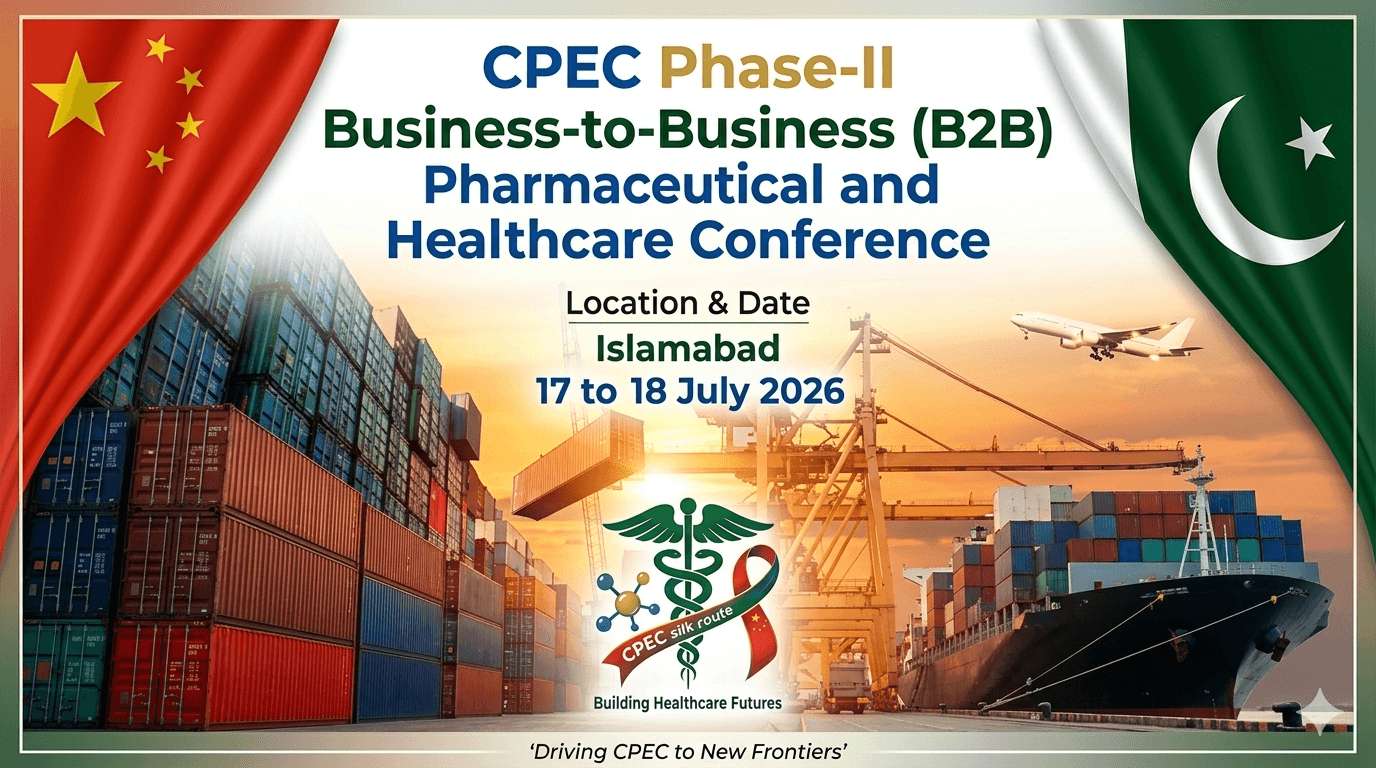
موجودہ اقتصادی تعاون کو مزید وسعت دینے کے لیے 17 سے 18 جولائی 2026 کو اسلام آباد میں ایک بڑی بی ٹو بی فارماسیوٹیکل اینڈ ہیلتھ کیئر کانفرنس منعقد کی جا رہی ہے، جس میں ڈرگ ریگولیٹری اتھارٹی آف پاکستان (DRAP) اور وزارت صحت کلیدی کردار ادا کر رہے ہیں۔
اس سے قبل بیجنگ میں چائنا اوورسیز ڈویلپمنٹ ایسوسی ایشن (CODA) کے تحت متحرک مہم چلائی گئی تھی۔ 60 سے زائد معروف چینی بائیومیڈیکل کمپنیاں پاکستانی کمپنیوں کے ساتھ کلینکل ڈائیگنوسٹکس، ویکسین کی تقسیم، اور ادویات کے خام مال (APIs) کی مقامی سطح پر تیاری کے لیے مشترکہ منصوبوں کو حتمی شکل دے رہی ہیں۔ اسپیشل انویسٹمنٹ فیسیلیٹیشن کونسل (SIFC) اور بیجنگ میں پاکستانی سفارت خانے کے مشترکہ تعاون سے فعال یہ فریم ورک براہ راست کمپنیوں کو جوڑ کر فارن ڈائریکٹ انویسٹمنٹ (FDI)، تجارتی شراکت داری، اور ٹیکنالوجی کی منتقلی کو تیز کر رہا ہے۔
اس کثیر ارب ڈالر کی سرمایہ کاری کو تین اہم ستونوں سے مدد مل رہی ہے:
بیوروکریٹک رکاوٹوں کو ختم کر کے چینی کمپنیوں کو فوری ریگولیٹری منظوری فراہم کرنے والا ایک خودکار نظام۔رینی موبی (RMB) میں تجارت: براہ راست چینی کرنسی میں لین دین کی سہولت، جو سپلائی چین کو غیر ملکی کرنسی کے اتار چڑھاؤ سے محفوظ رکھتی ہے۔
بڑی کانفرنسوں کے انعقاد سے قبل ہی کمپنیوں کے پورٹ فولیو کو آن لائن آپس میں جوڑنے کا جدید نیٹ ورک۔اہم کانفرنسز اور صنعتی معاہدےمختلف شعبوں میں نجی شعبے کے اشتراک کو بڑھانے کے لیے حالیہ مہینوں میں درج ذیل اہم ترین فورمز کا انعقاد کیا گیا:
ہانگژو آئی سی ٹی فورمچین کے مشہور ٹیک حب ‘ژجیانگ’ میں منعقدہ اس فورم میں 214 پاکستانی کمپنیوں اور 436 چینی ٹیکنالوجی اداروں نے شرکت کی۔
وزیر اعظم شہباز شریف کی موجودگی میں، پاک چائنا انویسٹمنٹ کمپنی لمیٹڈ اور چائنا موبائل کے درمیان 5 کروڑ (50 ملین) ڈالر کے مفاہمت کی یادداشت (MoU) پر دستخط کیے گئے۔ اس فورم کا بنیادی مرکز آرٹیفیشل انٹیلی جنس (AI) کلاؤڈ کمپیوٹنگ، فن ٹیک (Fintech)، مقامی سطح پر سولر پینل کی تیاری، اور لیتھیم آئن بیٹری اسٹوریج سسٹم تھے۔
زرعی ترقی کا اقدام کے تحت زراعت کے شعبے میں جدید چینی ٹیکنالوجی متعارف کروائی جا رہی ہے۔ چینی زرعی کمپنیوں نے کارپوریٹ فارمنگ، ہائی ییلڈ بیج (Seed Technology)، اور سمارٹ ڈرپ اریگیشن کے شعبوں میں مشترکہ منصوبے طے کیے ہیں۔ اس کا بنیادی مقصد پاکستان سے گوشت، پولٹری، اور سی فوڈ کی برآمدات کو چینی معیار کے مطابق بنانے کے لیے کولڈ چین لاجسٹکس نیٹ ورک قائم کرنا ہے۔
سرمایہ کاری کے لیے ترجیحی شعبےسی پیک فیز ٹو کے تحت چار اہم صنعتی کلسٹرز پر توجہ مرکوز کی گئی ہے:گرین انرجی اور ٹرانسپورٹ, الیکٹرک گاڑیوں (EVs) کے اسمبلنگ پلانٹس، سولر پینلز کی مقامی تیاری، اور چارجنگ گرڈز کا قیام۔ڈیجیٹل انفراسٹرکچر: سافٹ ویئر ڈویلپمنٹ ہب، اسمارٹ فون اور لیپ ٹاپ اسمبلنگ لائنز، اور کلاؤڈ سیکیورٹی۔صنعتی منتقلی: چین کی بڑی ٹیکسٹائل، گارمنٹس، چمڑے کی مصنوعات، اور تانبے کو صاف کرنے والی صنعتوں کو پاکستان کے خصوصی اقتصادی زونز (SEZs) میں منتقل کرنا۔فوڈ پروسیسنگ: بین الاقوامی معیار کے مطابق پیکجنگ، ڈیپ فریزنگ، اور حلال گوشت کی پروسیسنگ کے بنیادی ڈھانچے کی تعمیر۔خصوصی اقتصادی زونز (SEZs) میں ملنے والی مراعاتسرمایہ کاروں کے تحفظ اور طویل مدتی سرمایہ کاری کو یقینی بنانے کے لیے حکومتِ پاکستان ٹیکس مراعات دے رہی ہے:10 سالہ ٹیکس ہالیڈے, تجارتی پیداوار کے آغاز سے پہلے 10 سال تک تمام کارپوریٹ انکم ٹیکس سے مکمل چھوٹ۔کسٹم ڈیوٹی سے استثنیٰ: صنعتی استعمال کے لیے درآمد کی جانے والی پلانٹ، مشینری اور پیداواری آلات پر ون ٹائم کسٹم ڈیوٹی اور ٹیکسوں سے مکمل معافی۔ غیر ملکی سرمایہ کاری کے تحفظ اور منافع، ڈیویڈنڈز اور غیر ملکی کرنسی کو آسانی سے اپنے ملک واپس منتقل کرنے کی قانونی ضمانت ہے۔سی پیک فیز ٹو اور اسلام آباد کانفرنس کے اہم ستون کے تحت اسٹریٹجک شراکت داری کو نجی شعبے میں تیزی سے نافذ کرنے کے لیے تین بنیادی طریقہ کار اپنائے گئے ہیں:
چینی سرمایہ کاروں کو بیوروکریٹک رکاوٹوں سے بچا کر تمام این او سیز (NOCs) اور ریگولیٹری منظوریاں ایک ہی چھت تلے فراہم کی جا رہی ہیں۔
ڈالر پر انحصار کم کرنے اور کرنسی کے اتار چڑھاؤ سے بچنے کے لیے چینی کرنسی میں براہ راست تجارتی تصفیہ (Settlement) شروع کیا گیا ہے۔
فزیکل کانفرنسز سے پہلے ہی کمپنیوں کے پورٹ فولیو کو آن لائن پاکستان انویسٹمنٹ پورٹل کے ذریعے آپس میں جوڑ دیا جاتا ہے۔حالیہ کانفرنس آئی سی ٹی فورم (مئی 2026)ہانگژو، چین214 پاکستانی اور 436 چینی کمپنیوں نےشرکت کی۔
چائنا موبائل اور پاک چائنا انویسٹمنٹ کمپنی کے مابین 5 کروڑ ڈالر (50 ملین) کا معاہدہ ہوا۔
ایگری ٹیک بی ٹو بی کانفرنس (جنوری 2026)اسلام آباد، پاکستان کارپوریٹ فارمنگ، اسمارٹ اریگیشن، اور چین کو حلال گوشت اور سی فوڈ برآمد کرنے کے لیے کولڈ چین لاجسٹکس کے معاہدے ہوئے
فارما اینڈ بائیوٹیک سمٹ جولائی 2026 اسلام آباد، پاکستان60 سے زائد چینی طبی کمپنیوں کی آمد۔ ادویات کے خام مال (APIs)، ویکسین کی تیاری اور تشخیصی آلات کی مقامی اسمبلی پر فوکس ہیں,
الیکٹرک گاڑیوں کے اسمبلنگ پلانٹس اور لیتھیم آئن بیٹری اسٹوریج سسٹم کی پاکستان میں تیاری۔صنعتی منتقلی, چین کے ٹیکسٹائل، گارمنٹس، چمڑے اور کاپر ریفائننگ کے کارخانوں کو پاکستان کے خصوصی اقتصادی زونز جیسے کہ رشکئی اور دھابیجی میں شفٹ کرنا , کلاؤڈ کمپیوٹنگ، آرٹیفیشل انٹیلیجنس (AI)، فن ٹیک اور اسمارٹ فون مینوفیکچرنگ۔خصوصی اقتصادی زونز (SEZs) کے تحت ملنے والی مراعاتچینی کمپنیوں کو پاکستان لانے اور مقامی نجی شعبے کو فروغ دینے کے لیے حکومت قانونی تحفظ فراہم کر رہی ہے
یاد رہے سی پیک فیز ٹو کے تناظر میں پاکستان کے وزیر اعظم شہباز شریف نے کہا ہے کہ پاک چین دوستی گہری اور ابدی ہے۔ یہ دوستی دونوں ملکوں کے عوام کے دلوں میں پیوست ہے۔ ہمہ موسمی تزویراتی تعاون کا رشتہ وقت کی کسوٹی پر کھڑا ہے۔ وقت گزرنے کے ساتھ، چین پاکستان اقتصادی راہداری (سی پی ای سی) فریم ورک کے تحت کثیر جہتی شعبوں میں تعاون کی نئی جہتوں کے اضافے کے ساتھ چین اور پاکستان کے درمیان دوطرفہ تعاون کی نئی انتہا دیکھی گئی ہے، جو بیلٹ اینڈ روڈ انیشیٹو کا ایک اصولی تزویراتی جزو ہے۔ ہم صدر شی جن پنگ کی مسلسل حمایت کی بہت قدر کرتے ہیں۔ صدر شی جن پنگ اور وزیراعظم لی کیانگ پاکستان کے ساتھ چین پاکستان اقتصادی راہداری اقدامات کی اعلیٰ معیار کی ترقی کو یقینی بنانے اور اسے نئی بلندیوں تک لے جانے کے لیے پرعزم ہیں,
یاد رہے کہ اس تناظر میں چین کے صدر شی جن پنگ نے اپنے پچھلے پیغام میں کہا تھاکہ چین اور پاکستان کی دوستی اعتماد اور باہمی تعاون پر مبنی ہے اور ہم اچھے اور مشکل دونوں وقتوں میں دوست رہے ہیں۔ ہماری دوستی ملکوں کے درمیان خوشگوار تعلقات کے لیے ایک تیز رفتار ہے۔ سب سے پہلے، ہمیں باہمی تعاون کو مضبوط کرنا چاہیے اور اسٹریٹجک تعاون کو گہرا کرنا چاہیے۔ ہمیں متواتر اعلیٰ سطحی دوروں اور ملاقاتوں کی اچھی روایت کو برقرار رکھنا چاہیے، اہم اسٹریٹجک امور پر مل کر کام کرنا چاہیے، اور اپنے متعلقہ بنیادی مفادات اور اہم خدشات سے جڑے مسائل پر ایک دوسرے کا ساتھ دینا چاہیے۔ دوسرا، ہمیں اپنے مشترکہ مفادات کو آگے بڑھانا چاہیے اور مشترکہ ترقی حاصل کرنی چاہیے۔ ہمیں چین پاکستان اقتصادی راہداری کو گوادر پورٹ، توانائی، بنیادی ڈھانچے کی ترقی اور صنعتی تعاون پر فوکس کرتے ہوئے اپنے عملی تعاون کو آگے بڑھانے کے لیے استعمال کرنا چاہیے تاکہ اس کی ترقی کے ثمرات پاکستان کے تمام لوگوں اور ہمارے خطے کے دیگر ممالک کے لوگوں تک پہنچیں۔ تیسرا، ہمیں دیرپا دوستی قائم کرنے کے لیے قریبی تبادلوں کو بڑھانا چاہیے۔ یہ سال چین پاکستان دوستانہ تبادلوں کا سال ہے۔ ہمیں جشن کی مختلف اور رنگا رنگ تقریبات کا انعقاد کرنا چاہیے اور نوجوان چینی اور پاکستانیوں کے درمیان مزید رابطوں اور تبادلوں کی حوصلہ افزائی کرنی چاہیے۔ اگلے پانچ سالوں میں چین پاکستان کے لیے 2,000 تربیتی مواقع فراہم کرے گا اور پاکستان کے لیے 1,000 چینی زبان کے اساتذہ کو تربیت دے گا۔ چوتھا، ہمیں مشکل کا سامنا کرتے ہوئے ساتھ رہنا چاہیے اور مشترکہ طور پر سیکیورٹی چیلنجز کا مقابلہ کرنا چاہیے۔ چین غیر روایتی سکیورٹی خطرات سے نمٹنے کے لیے پاکستان کے ساتھ مل کر کام کرے گا تاکہ دوطرفہ اقتصادی تعاون اور مشترکہ ترقی کے لیے قابل اعتماد سکیورٹی کی ضمانت فراہم کی جا سکے۔ چینی قوم امن کو پسند کرتی ہے۔ چین جیت کے ساتھ تعاون جاری رکھے گا اور دوسرے ممالک کے ساتھ دوستی اور تعاون کو فروغ دے گا۔ یہ تعلق، خلوص، باہمی فائدے اور جامعیت کی پالیسی پر کاربند رہے گا۔ یہ اپنے پڑوسیوں کے ساتھ جیت کے تعاون کو مزید گہرا کرے گا تاکہ ان کو اپنی ترقی کے ذریعے مزید فوائد پہنچائے جا سکیں۔ چین کھلی معیشت کی تعمیر کے لیے اوپن اپ کے لیے جیت کی حکمت عملی پر عمل جاری رکھے گا۔ یہ ایشیا اور دنیا دونوں کے لیے ترقی کے نئے مواقع اور جگہ پیدا کرے گا۔ ہم زمینی اور سمندری شاہراہ ریشم کے ساتھ ساتھ ممالک کے ساتھ تعاون کو مضبوط کریں گے، تاکہ مشترکہ طور پر تعاون کے لیے ایک کھلا پلیٹ فارم بنایا جا سکے اور متعلقہ خطوں میں پائیدار ترقی کے حصول کے لیے نئی تحریک پیدا کی جا سکے۔ چین پاکستان مشترکہ تقدیر کی کمیونٹی کی تعمیر ہماری دونوں حکومتوں اور عوام کی طرف سے کیا گیا ایک سٹریٹجک فیصلہ ہے۔ آئیے ہم مل کر چین اور پاکستان کے لیے ایک روشن مستقبل بنانے کے لیے کام کریں۔ وزیر منصوبہ بندی، ترقی و خصوصی اقدامات احسن اقبال کا کہنا ہے کہ 2013 میں اس وقت کے وزیر اعظم پاکستان میاں محمد نواز شریف نے چین کا دورہ کیا تھا,جہاں 5 جولائی 2013 کو دونوں ممالک کے وزرائے اعظم کی موجودگی میں چین پاکستان اقتصادی راہداری (CPEC) کے لیے تاریخی مفاہمت کی یادداشت پر دستخط کیے گئےتھے۔ اس مفاہمت نامے نے معاشی سرگرمیوں کا ایک سلسلہ شروع کیا جو پورے خطے کے لیے گیم چینجر ثابت ہو سکتا ہے اور چین، وسطی ایشیا، جنوبی ایشیا اور مشرق وسطیٰ میں تقریباً 3 بلین لوگوں کی زندگیوں میں بہتری لا سکتا ہے۔
دونوں ممالک کے درمیان تمام موسمی تزویراتی تعاون پر مبنی شراکت داری کوچین پاکستان اقتصادی راہداری فریم ورک کے تحت وسیع کیا گیا ہے جو صدر شی کے بیلٹ اینڈ روڈ انیشیٹو کا اصولی تزویراتی جزو ہے۔ دونوں ممالک کی قیادت کی مشترکہ کوششوں سے سی پیک کا پہلا مرحلہ کامیابی کے ساتھ مکمل ہوا ہے۔چین پاکستان اقتصادی راہداری نے اپنے دوسرے مرحلے میں قدم رکھا ہے جس میں تعاون کے متعدد نئے شعبے شامل ہیں جن میں صنعتی ترقی، زرعی، سائنس اور معلوماتی تکنیکی تعاون شامل ہیں۔ چین پاکستان اقتصادی راہداری ,پاکستان اور چین کے درمیان پائیدار دوستی کا عکاس ہے، یہ شراکت داری باہمی اعتماد، احترام اور مشترکہ امنگوں پر گہری جڑی ہوئی ہے۔ اس کے مرکز میں،چین پاکستان اقتصادی راہداری ہمارے لوگوں کے لیے رابطے، ترقی اور اقتصادی بااختیار بنانے کے وژن کو مجسم کرتا ہے۔ یہ ملازمتوں کی تخلیق، مہارت کی ترقی، اور ٹیکنالوجی کی منتقلی، ہمارے نوجوانوں کو بااختیار بنانے اور جدت کی قیادت میں ترقی کو فروغ دینے کے لیے ایک اتپریرک ہے۔ چینی شراکت داروں کے ساتھ اسٹریٹجک تعاون کے ذریعے، ہم انسانی سرمائے کی پرورش کر رہے ہیں، پیداواری صلاحیت میں اضافہ کر رہے ہیں، اور اپنی افرادی قوت کو 21ویں صدی کی عالمی معیشت میں ترقی کے لیے درکار مہارتوں سے آراستہ کر رہے ہیں۔چین پاکستان اقتصادی راہداری صرف سڑکوں اور پلوں کی راہداری سے زیادہ نہیں ہے۔ یہ آنے والی نسلوں کے لیے خوشحالی، استحکام اور مشترکہ خوشحالی کا راستہ ہے۔
عالمی اقتصادی منظر نامے میں ڈرامائی تبدیلی آئی ہے۔ اس تبدیلی کے بنیادی محرکات ٹیکنالوجی، تجارتی لبرلائزیشن، آزاد سرمائے کی نقل و حرکت، مواصلات اور نقل و حمل کے بنیادی ڈھانچے میں پیشرفت، اور کراس بارڈر سپلائی چینز کی تخلیق ہیں۔ ابھرتی ہوئی معیشتیں ترقی یافتہ معیشتوں کے مقابلے میں بہت زیادہ تیز رفتاری سے ترقی کر رہی ہیں، عالمی معیشت کی کشش ثقل کا مرکز مشرق کی طرف منتقل ہو گیا ہے۔ علاقائی تعاون کے معاہدوں نے حالیہ دنوں میں خاص طور پر عالمی اقتصادی منظر نامے میں اس تبدیلی کو حاصل کرنے کے لیے فروغ اور مضبوط کیا ہے۔ آئیے اس تاریخی موڑ پر اپنے چینی ہم منصبوں کا پرتپاک خیرمقدم کرنے اور چین پاکستان اقتصادی راہداری کو 21ویں صدی کے سب سے زیادہ تبدیلی کے منصوبوں میں سے ایک بنانے کے اپنے عزائم کو پورا کرنے کے لیے ایک سازگار ماحول بنانے کے لیے ایک قوم کے طور پر ساتھ کھڑے ہونے کا عزم کریں۔یاد رہے کہ وفاقی حکومت نے پاکستان میں غیر ملکی سرمایہ کاری کے نظام کو تیز رفتار، مؤثر اور سرمایہ کار دوست بنانے کے لیے بورڈ آف انویسٹمنٹ کو اسپیشل انویسٹمنٹ فیسیلی ٹیشن کونسل میں ضم کرنے کا حتمی فیصلہ کیا تھا۔ وزیراعظم شہباز شریف کے مئی 2026 کے دورۂ چین اور سی پیک فیز ٹو (CPEC Phase-II) کی ترجیحات کو مدنظر رکھتے ہوئے اس تنظیمی انضمام کے عمل کو تیز کرنے کے احکامات جاری کیے گئے تھے,ماضی میں پاکستان میں سرمایہ کاری کے فروغ کے لیے بورڈ آف انویسٹمنٹ بنیادی سول ادارہ تھا، تاہم کثیر الجہتی بیوروکریٹک منظوریوں اور این او سیز میں تاخیر کے باعث سرمایہ کاروں کا اعتماد متزلزل ہو رہا تھا۔ ایس آئی ایف سی کے قیام کے بعد پبلک اور پرائیویٹ سیکٹر سمیت ملٹری-سول باہمی اشتراک کے ذریعے فیصلہ سازی کو انتہائی تیز کر دیا گیا۔اب دونوں اداروں کو یکجا کرنے کا مقصد “سنگل ونڈو آپریشن” کو قانونی اور انتظامی طور پر مکمل خودمختاری دینا ہے تاکہ خلیجی ممالک اور چین سے آنے والی اربوں ڈالر کی سرمایہ کاری کو بغیر کسی تاخیر کے لاگو کیا جا سکے, انضمام کے بعد سرمایہ کاری کی پالیسیوں اور عملدرآمد کا پورا کنٹرول ایس آئی ایف سی کے سپرد کر دیا گیا ہے، جس کے تحت درج ذیل تبدیلیاں لائی جا رہی ہیں غیر ملکی براہ راست سرمایہ کاری کو راغب کرنے اور وفاقی ایجنڈے کو چلانے کی مکمل قیادت اب ایس آئی ایف سی کے پاس ہے, ملک بھر کے تمام اسپیشل اکنامک زونز جیسے رشکئی، دھابیجی وغیرہ کی نگرانی، الاٹمنٹ اور ریگولیٹری اصلاحات اب ایس آئی ایف سی کے دائرہ اختیار میں ہیں غیر ملکی سرمایہ کاری ایکٹ 2022 کے نفاذ کی ذمہ داری بھی اب نئے مینڈیٹ کا حصہ ہے۔ انضمام خاص طور پر پاک-چین بزنس ٹو بزنس (B2B) اشتراک کو بڑھانے کے لیے ڈیزائن کیا گیا ہے چینی حکومت اور وہاں کے نجی کارپوریٹ اداروں کو اب الگ الگ وزارتوں یا BOI کے چکر کاٹنے کی ضرورت نہیں صنعتی منتقلی میں تیزی: چین سے پاکستان منتقل ہونے والے ٹیکسٹائل، فارما، اور ایگری ٹیک یونٹس کو زمین کی فراہمی اور ٹیکس چھوٹ کے سرٹیفکیٹس چند دنوں میں جاری کیے جا سکیں گے وزیراعظم کی ہدایت پر SIFC کو ایک جامع اور طویل مدتی روڈ میپ تیار کرنے کا کام سونپا گیا ہے صوبائی اور وفاقی سطح پر ایسے ون اسٹاپ مراکز کا قیام جہاں ایک ہی چھت تلے تمام محکموں کے نمائندے موجود ہوں۔ خام مال اور صنعتی مشینری کی درآمد پر ڈیوٹی اسٹرکچر کو آسان بنانا۔ SIFC کے ذریعے رجسٹرڈ بزنس مین اور سرمایہ کاروں کو محض 24 گھنٹوں کے اندر ویزا کا اجراء یقینی بنانا۔ ماہرین اس انضمام کو سرمایہ کاروں کے اعتماد میں اضافے اور بیوروکریسی کے خاتمے کا بہترین ذریعہ قرار دے رہے ہیں، اس تنظیمی تبدیلی کی اصل کامیابی کا انحصار مستقل پالیسیوں، قانونی شفافیت اور بین الاقوامی کاروباری ماحول کی عملی فراہمی پر ہوگا۔CPEC Phase II, Pakistan and China Agritech B2B Investment Conference, Islamabadسی پیک فیز ٹو, پاکستان اور چین ایگری ٹیک بی ٹو بی انویسٹمنٹ کانفرنس اسلام آباد
( Asghar Ali Mubarak )
The framework of Business-to-Business (B2B) Investment Conferences between Pakistan and China has become the main vehicle for accelerating CPEC Phase II through private sector partnerships. Under CPEC Phase II, Islamabad and Beijing have jointly targeted industrial clusters.
Under the Special Investment Facilitation Council (SIFC) and the Pakistani Embassy in Beijing, over $7 billion in investment commitments have been secured so far. The main objective of the entire project is to relocate Chinese industrial units to Pakistan and set up joint ventures.
To further expand the existing economic cooperation, a major B2B Pharmaceutical and Healthcare Conference is being organized in Islamabad from 17 to 18 July 2026, with the Drug Regulatory Authority of Pakistan (DRAP) and the Ministry of Health playing key roles.
Earlier, a dynamic campaign was launched in Beijing under the China Overseas Development Association (CODA). More than 60 leading Chinese biomedical companies are finalizing joint ventures with Pakistani companies for clinical diagnostics, vaccine distribution, and local manufacturing of pharmaceutical raw materials (APIs). The framework, enabled by the Special Investment Facilitation Council (SIFC) and the Pakistani Embassy in Beijing, is accelerating Foreign Direct Investment (FDI), trade partnerships, and technology transfer by directly connecting companies.
This multi-billion dollar investment is supported by three key pillars:
An automated system that eliminates bureaucratic hurdles and provides Chinese companies with quick regulatory approvals. Trading in Renminbi (RMB): Facilitating transactions directly in Chinese currency, which protects the supply chain from foreign exchange fluctuations.
An innovative network to connect companies’ portfolios online ahead of major conferences. Major conferences and industry agreements: The following key forums were held in recent months to enhance private sector collaboration across sectors:
Hangzhou ICT Forum Held in China’s renowned tech hub ‘Zhejiang’, the forum was attended by 214 Pakistani companies and 436 Chinese technology institutions.
In the presence of Prime Minister Shehbaz Sharif, a Memorandum of Understanding (MoU) worth 50 million dollars was signed between Pak-China Investment Company Limited and China Mobile. The main focus of the forum was on artificial intelligence (AI), cloud computing, fintech, local solar panel manufacturing, and lithium-ion battery storage systems.
The agricultural development initiative is introducing advanced Chinese technology in the agriculture sector. Chinese agricultural companies have signed joint ventures in the areas of corporate farming, high-yield seed technology, and smart drip irrigation. Its main objective is to establish a cold chain logistics network to ensure that meat, poultry, and seafood exports from Pakistan meet Chinese standards.
Priority Sectors for Investment: CPEC Phase II focuses on four key industrial clusters: Green energy and transport, Electric Vehicle (EV) assembly plants, local manufacturing of solar panels, and establishment of charging grids. Digital infrastructure: Software development hubs, smartphone and laptop assembly lines, and cloud security. Industrial relocation: Relocating China’s major textile, garment, leather products, and copper refining industries to Pakistan’s Special Economic Zones (SEZs). Food processing: Building infrastructure for packaging, deep freezing, and halal meat processing as per international standards. Incentives available in Special Economic Zones (SEZs): To protect investors and ensure long-term investment, the Government of Pakistan is offering tax incentives: 10-year tax holiday, complete exemption from all corporate income tax for 10 years before the start of commercial production. Exemption from customs duty: Imported goods for industrial use. One-time customs duty and full tax exemption on plant, machinery, and production equipment. Legal guarantee for protection of foreign investment and easy repatriation of profits, dividends, and foreign exchange. Three basic mechanisms have been adopted to speed up the implementation of strategic partnerships in the private sector under the main pillar of CPEC Phase II and the Islamabad Conference:
All NOCs and regulatory approvals are being provided under one roof to Chinese investors, saving them from bureaucratic hurdles.
Direct trade settlement in Chinese currency has been introduced to reduce dependence on the dollar and avoid currency fluctuations.
Companies’ portfolios are interconnected online through the Pakistan Investment Portal even before physical conferences. The recent conference, the ICT Forum (May 2026), Hangzhou, China, 214 Pakistani and 436 Chinese companies participated.
China Mobile and Pak China Investment Company signed a $50 million (50 million) deal.
Agritech B2B Conference (January 2026), Islamabad, Pakistan: Corporate farming, smart irrigation, and cold chain logistics agreements for exporting halal meat and seafood to China
Pharma & Biotech Summit July 2026 Islamabad, Pakistan: Over 60 Chinese medical companies arrive. Focus on pharmaceutical raw materials (APIs), vaccine manufacturing, and local assembly of diagnostic devices,Electric vehicle assembly plants, and lithium-ion battery storage systems to be manufactured in Pakistan. Industrial relocation, shifting of Chinese textile, garment, leather, and copper refining factories to Pakistan’s Special Economic Zones such as Rashakai and Dhabeji, cloud computing, artificial intelligence (AI), fintech, and smartphone manufacturing. Incentives under Special Economic Zones (SEZs): The government is providing legal protection to bring Chinese companies to Pakistan and promote the local private sector.
It may be recalled that in the context of CPEC Phase II, the Prime Minister of Pakistan has said that Pak-China friendship is deep and eternal. This friendship is embedded in the hearts of the people of both countries. The relationship of all-weather strategic cooperation stands the test of time. Over time, bilateral cooperation between China and Pakistan has reached a new high with the addition of new dimensions of cooperation in multi-faceted areas under the China-Pakistan Economic Corridor (CPEC) framework, which is a principled strategic component of the Belt and Road Initiative. We highly appreciate President Xi Jinping’s continued support. President Xi Jinping and Premier Li Keqiang are committed to ensuring the high-quality development of the China-Pakistan Economic Corridor initiatives with Pakistan and taking it to new heights. It may be recalled that in this context, Chinese President Xi Jinping had said in his previous message that the friendship between China and Pakistan is based on trust and mutual cooperation, and we have been friends in both good times and difficult times. Our friendship is a fast-track for the harmonious relations between the countries. First, we should strengthen mutual cooperation and deepen strategic cooperation. We should maintain the good tradition of frequent high-level visits and meetings, work together on major strategic issues, and support each other on issues of our respective core interests and major concerns. Second, we should advance our common interests and achieve common development. We should use the China-Pakistan Economic Corridor to advance our practical cooperation, focusing on Gwadar Port, energy, infrastructure development and industrial cooperation, so that the fruits of its development reach all the people of Pakistan and the people of other countries in our region. Third, we should enhance close exchanges to build lasting friendship. This year is the year of China-Pakistan friendly exchanges. We should hold various and colorful celebration events and encourage more contacts and exchanges between young Chinese and Pakistanis. In the next five years, China will provide 2,000 training opportunities for Pakistan and train 1,000 Chinese language teachers for Pakistan. Fourth, we must stand together in the face of difficulties and jointly confront security challenges. China will work with Pakistan to deal with non-traditional security threats to provide a reliable security guarantee for bilateral economic cooperation and common development. The Chinese nation loves peace. China will continue to pursue win-win cooperation and promote friendship and cooperation with other countries. It will adhere to the policy of relationship, sincerity, mutual benefit and inclusiveness. It will further deepen win-win cooperation with its neighbors to bring them more benefits through its own development. China will continue to implement the win-win strategy of opening up to build an open economy. This will create new development opportunities and space for both Asia and the world. We will strengthen cooperation with countries along the land and maritime Silk Roads, so as to jointly build an open platform for cooperation and create new momentum for achieving sustainable development in relevant regions. Building a China-Pakistan community of shared future is a strategic decision made by our two governments and peoples. Let us work together to create a bright future for China and Pakistan. It may be recalled that the Board of Investment (BOI) had termed the Pakistan-China Agriculture Investment Conference (PCAIC) held in Islamabad on January 21 as a historic milestone for agricultural cooperation and technology transfer under CPEC Phase-II. The high-level forum held at Serena Hotel, Islamabad, was attended by government officials from both countries, Chinese and Pakistani private companies, and agricultural experts. During this B2B event, investment opportunities and trade agreements worth over $1.345 billion (1.345+ billion USD) were finalized in Pakistan’s agriculture and livestock sectors. The Federal Minister for Investment and BOI officials clarified that this conference is a link to making Pakistan an important supply hub for China’s value-added market. Minister for Planning, Development and Special Initiatives Ahsan Iqbal said that in 2013, the then Prime Minister of Pakistan Mian Muhammad Nawaz Sharif visited China, where on July 5, 2013, a historic Memorandum of Understanding for the China-Pakistan Economic Corridor (CPEC) was signed in the presence of the Prime Ministers of both countries. The MoU launched a series of economic activities that could prove to be a game-changer for the entire region and improve the lives of nearly 3 billion people in China, Central Asia, South Asia and the Middle East.
The all-weather strategic cooperative partnership between the two countries has been expanded under the China-Pakistan Economic Corridor framework, which is a principal strategic component of President Xi’s Belt and Road Initiative. With the joint efforts of the leadership of both countries, the first phase of CPEC has been successfully completed. The China-Pakistan Economic Corridor has entered its second phase, which includes several new areas of cooperation, including industrial development, agriculture, science, and information technology cooperation. The China-Pakistan Economic Corridor (CPEC) is a reflection of the enduring friendship between Pakistan and China, a partnership deeply rooted in mutual trust, respect, and shared aspirations. At its core, the CPEC embodies a vision of connectivity, development, and economic empowerment for our people. It is a catalyst for job creation, skill development, and technology transfer, empowering our youth and promoting innovation-led growth. Through strategic cooperation with Chinese partners, we are nurturing human capital, increasing productivity, and equipping our workforce with the skills needed to thrive in the 21st century global economy. The CPEC is more than just a corridor of roads and bridges. It is a path to prosperity, stability, and shared prosperity for generations to come. The global economic landscape has changed dramatically. The main drivers of this transformation are technology, trade liberalization, free movement of capital, advances in communication and transportation infrastructure, and the creation of cross-border supply chains. Emerging economies are growing at a much faster pace than developed economies, and the center of gravity of the global economy has shifted eastward. Regional cooperation agreements have been promoted and strengthened in recent times, especially to achieve this change in the global economic landscape. Let us resolve to stand together as a nation to warmly welcome our Chinese counterparts at this historic juncture and to create a conducive environment for them to fulfill their ambitions of making the China-Pakistan Economic Corridor one of the most transformative projects of the 21st century.The federal government has taken the final decision to merge the Board of Investment into the Special Investment Facilitation Council to make the foreign investment system in Pakistan fast-paced, effective and investor-friendly. Keeping in mind the priorities of Prime Minister Shehbaz Sharif’s visit to China in May 2026 and CPEC Phase-II, orders were issued to expedite the process of this organizational merger. In the past, the Board of Investment was the primary civil institution for promoting investment in Pakistan; however, due to multi-faceted bureaucratic approvals and delays in NOCs, investor confidence was being shaken. After the establishment of SIFC, decision-making was greatly accelerated through military-civilian collaboration, including the public and private sectors. Now the aim of merging the two institutions is to give full legal and administrative autonomy to the “Single Window Operation” so that billions of dollars of investment coming from the Gulf countries and China can be implemented without any delay. After the merger, full control of investment policies and implementation has been entrusted to SIFC, under which the following changes are being made: SIFC now has full leadership in attracting foreign direct investment and running the federal agenda. The supervision, allotment, and regulatory reforms of all Special Economic Zones across the country, such as Rashakai, Dhabeji, etc., are now under the jurisdiction of SIFC. The responsibility for the implementation of the Foreign Investment Act 2022 is also now part of the new mandate. The merger is specifically designed to enhance Pak-China Business-to-Business (B2B) collaboration. The Chinese government and private corporate entities there no longer need to go through separate ministries or BOI. Acceleration of industrial relocation: Land allocation and tax exemption certificates for textile, pharma, and agri-tech units moving from China to Pakistan will be issued within a few days. On the instructions of the Prime Minister, SIFC has been tasked with preparing a comprehensive and long-term roadmap. Establishment of one-stop centers at the provincial and federal levels where representatives of all departments are present under one roof. Simplification of duty structure on import of raw materials and industrial machinery. Ensuring issuance of visas within just 24 hours to businessmen and investors registered through SIFC. Experts are calling this merger the best way to increase investor confidence and eliminate bureaucracy. The real success of this organizational change will depend on consistent policies, legal transparency, and practical provision of an international business environment.中巴经济走廊二期工程、巴基斯坦与中国农业科技B2B投资会议(伊斯兰堡)
(阿斯加尔·阿里·穆巴拉克)
巴基斯坦与中国之间的企业对企业(B2B)投资会议框架已成为通过私营部门合作加速推进中巴经济走廊二期工程的主要途径。在中巴经济走廊二期工程框架下,伊斯兰堡和北京共同致力于产业集群建设。
在巴基斯坦特别投资促进委员会(SIFC)和巴基斯坦驻北京大使馆的协调下,迄今为止已获得超过70亿美元的投资承诺。整个项目的主要目标是将中国工业企业迁至巴基斯坦并建立合资企业。
为进一步拓展现有经济合作,一场重要的医药和医疗保健B2B会议将于2026年7月17日至18日在伊斯兰堡举行,巴基斯坦药品监管局(DRAP)和卫生部将发挥关键作用。
此前,中国海外发展协会(CODA)在北京发起了一项积极的推广活动。超过60家中国领先的生物医药企业正在与巴基斯坦企业敲定合资项目,合作领域涵盖临床诊断、疫苗分销以及本地化生产药品原料药(API)。这一框架由巴基斯坦特别投资促进委员会(SIFC)和巴基斯坦驻北京大使馆共同推动,通过直接连接企业,加速了外国直接投资(FDI)、贸易伙伴关系和技术转让。
这项数十亿美元的投资由三大支柱支撑:
自动化系统:消除官僚障碍,为中国企业提供快速的监管审批。人民币交易:促进直接以人民币进行交易,从而保护供应链免受汇率波动的影响。
创新网络:在重要会议召开前,在线连接企业投资组合。重要会议和行业协议:近几个月来,为加强私营部门跨领域的合作,举办了以下重要论坛:
杭州信息通信技术论坛:该论坛在中国著名的科技中心浙江举行,共有214家巴基斯坦企业和436家中国科技机构参加。在巴基斯坦总理谢赫巴兹·谢里夫的见证下,巴基斯坦-中国投资有限公司与中国移动签署了一份价值5000万美元的谅解备忘录。此次论坛的主要议题包括人工智能(AI)、云计算、金融科技、本地太阳能电池板制造和锂离子电池储能系统。
农业发展计划正在将中国先进技术引入巴基斯坦农业领域。中国农业企业已在企业化农场、高产种子技术和智能滴灌等领域签署了合资协议。该计划的主要目标是建立冷链物流网络,以确保巴基斯坦出口的肉类、家禽和海产品符合中国标准。
中巴经济走廊二期优先投资领域聚焦于四大关键产业集群:绿色能源与交通、电动汽车组装厂、本地太阳能电池板制造以及充电网络建设。数字基础设施包括:软件开发中心、智能手机和笔记本电脑组装线以及云安全。产业转移:将中国主要的纺织、服装、皮革制品和铜精炼产业迁至巴基斯坦经济特区。食品加工:按照国际标准建设包装、速冻和清真肉类加工基础设施。经济特区优惠政策:为保护投资者并确保长期投资,巴基斯坦政府提供税收优惠:10年免税期,在商业化生产开始前10年完全免征所有企业所得税。免征关税:进口工业用货物;工厂、机械和生产设备一次性免征关税和全部税款。为保护外国投资和方便利润、股息和外汇汇回提供法律保障。为加快在中巴经济走廊二期和伊斯兰堡会议框架下私营部门战略伙伴关系的落实,已采取三项基本机制:
所有无异议证明和监管审批均集中办理,免除中国投资者的繁琐手续。
为减少对美元的依赖并避免汇率波动,巴基斯坦已引入人民币直接贸易结算。
企业投资组合已通过巴基斯坦投资门户网站在线互联,甚至在实体会议召开之前即可实现。近期举办的ICT论坛(2026年5月,中国杭州)吸引了214家巴基斯坦企业和436家中国企业参加。
中国移动与巴基斯坦中国投资公司签署了一项价值5000万美元的协议。
农业科技B2B会议(2026年1月,巴基斯坦伊斯兰堡)重点讨论了企业化养殖、智能灌溉以及向中国出口清真肉类和海鲜的冷链物流协议。
医药与生物技术峰会(2026年7月,巴基斯坦伊斯兰堡)吸引了60多家中国医疗企业参会。峰会将重点关注药品原料药(API)、疫苗生产和诊断设备的本地组装。


