

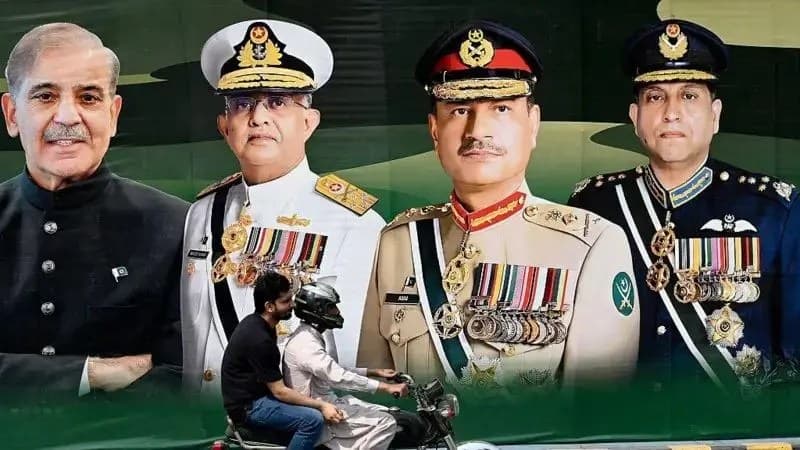
یومِ تکبیر;”عزمِ عالی شان، ناقابلِ تسخیر پاکستان ,امن کا ضامن مضبوط پاکستان”Youm-e-Takbir: “The Great Determination, Invincible Pakistan, The Guarantor of Peace, Strong Pakistan”
( اصغر علی مبارک)
یومِ تکبیر کو اس سال”عزمِ عالی شان، ناقابلِ تسخیر پاکستان” یا “امن کا ضامن، مضبوط پاکستان” کے مرکزی پیغام کے ساتھ منایا جا رہا ہے۔پاکستان کی وزارتِ اطلاعات و نشریات اور آئی ایس پی آر (ISPR) کے اشتراک سے یہ تھیم اس بات کو واضح کرتی ہے کہ پاکستان کا ایٹمی پروگرام کسی ملک کے خلاف جارحیت کے لیے نہیں، بلکہ خطے میں طاقت کا توازن برقرار رکھنے اور مستقل امن قائم رکھنے کے لیے ایک مضبوط ہتھیار (Deterrence) ہےیہ نعرے اور تھیمز یومِ تکبیر کے موقع پر پاکستان کے دفاعی وقار، قومی یکجہتی اور امن پسند نظریے کی عکاسی کرتے ہیں۔ ان مرکزی پیغامات کی گہری اہمیت اور مقصد درج ذیل ہے:1۔ “عزمِ عالی شان، ناقابلِ تسخیر پاکستان”
(The Grand Resolve, Invincible Pakistan)
1-قومی عزم کا اعادہ: یہ تھیم پاکستان کے سائنسدانوں، انجینئرز اور عسکری قیادت کے اس مخلصانہ عزم (Resolve) کو خراجِ تحسین پیش کرتی ہے جس نے تمام تر بین الاقوامی دباؤ کے باوجود پاکستان کو ایٹمی طاقت بنایا۔
ناقابلِ تسخیر دفاع: لفظ “ناقابلِ تسخیر” (Invincible) یہ واضح کرتا ہے کہ اب دنیا کی کوئی بھی طاقت پاکستان کے وجود اور سلامتی کو چیلنج نہیں کر سکتی۔ یہ دشمنوں کے لیے ایک دوٹوک پیغام ہے کہ پاکستان کے خلاف کسی بھی قسم کی مہم جوئی کا انجام عبرتناک ہوگا۔
2۔ “امن کا ضامن، مضبوط پاکستان” (Guarantor of Peace, Strong Pakistan)ذمہ دار ایٹمی ریاست: یہ نعرہ پاکستان کی باضابطہ نیوکلیئر ڈاکٹرائن (Nuclear Doctrine) کی ترجمانی کرتا ہے۔ پاکستان دنیا کو یہ باور کراتا ہے کہ اس کے ایٹمی ہتھیار جارحیت یا کسی ملک پر حملے کے لیے نہیں، بلکہ خطے میں امن برقرار رکھنے (Deterrence) کے لیے ہیں۔علاقائی استحکام کا ضامن: جنوبی ایشیا (South Asia) میں اگر پچھلی کئی دہائیوں سے کوئی بڑی روایتی جنگ نہیں ہوئی، تو اس کی بڑی وجہ پاکستان کی ایٹمی صلاحیت ہے۔ ایک “مضبوط پاکستان” ہی اس خطے میں طاقت کا توازن برقرار رکھ کر مستقل امن کا ضامن بن سکتا ہے۔
28 مئی 1998 کو بلوچستان کے ضلع چاغی کے راس کوہ پہاڑی سلسلے میں کیے جانے والے ایٹمی دھماکوں کا تاریخی پسِ منظر پاکستان کی بقا، بیرونی دباؤ اور بے مثال سائنسی عزم کی ایک داستان ہے۔چاغی کے ان تاریخی دھماکوں (Chaghi-I) کے پسِ منظر کے اہم ترین محرکات درج ذیل ہیں:
1۔ بھارتی ایٹمی دھماکے اور سٹریجک بحران (مئی 1998)پوکھران-II دھماکے:
بھارت نے 11 اور 13 مئی 1998 کو راجستھان کے علاقے پوکھران میں اچانک 5 ایٹمی دھماکے کر کے خطے میں طاقت کا توازن یکسر بدل دیا۔
بھارتی قیادت کی دھمکیاں: ان دھماکوں کے فوراً بعد اس وقت کی بھارتی قیادت (بشمول ایل کے اڈوانی) نے پاکستان کو جارحانہ دھمکیاں دینا شروع کر دیں اور کہا کہ “پاکستان بدلتے ہوئے جغرافیائی حالات کو تسلیم کرے”۔ آزاد کشمیر پر حملے کی باتیں بھی سرِعام کی جانے لگیں۔
2۔ بین الاقوامی دباؤ اور وزیراعظم نواز شریف کا فیصلہ;
امریکہ کی طرف سے مالی ترغیبات: اس وقت کے امریکی صدر بل کلنٹن نے پاکستان کے وزیراعظم میاں نواز شریف کو فون کر کے دھماکے نہ کرنے کے عوض 5 ارب ڈالر کے مالیاتی پیکج اور امداد کی پیشکش کی۔
عوامی اور عسکری دباؤ: پاکستان کی عوام، میڈیا اور پاک فوج کا موقف واضح تھا کہ بیرونی امداد کی بجائے ملکی خود مختاری کو ترجیح دی جائے۔ چنانچہ تمام تر عالمی سفارتی اور اقتصادی پابندیوں کے خطرات کو مسترد کرتے ہوئے، پاکستان کی قیادت نے دھماکوں کا گرین سگنل دیا۔
3۔ راس کوہ (چاغی) کا انتخاب کیوں کیا گیا؟
جغرافیائی اور سائنسی وجہ: چاغی کے راس کوہ پہاڑی سلسلے کا انتخاب پاکستان کی سٹریجک پلانز ڈویژن اور سائنسدانوں نے 1970 کی دہائی میں ہی کر لیا تھا۔
گرینائٹ پہاڑ: راس کوہ کے پہاڑ سخت ترین گرینائٹ (Granite) سے بنے ہیں، جو ایٹمی دھماکے کے بعد نکلنے والی شدید ترین تابکاری (Radiation) اور جھٹکوں کو زمین کے اندر ہی روکنے کی صلاحیت رکھتے تھے، تاکہ ارد گرد کی آبادی محفوظ رہے۔
4۔ 28 مئی 1998: وہ تاریخی لمحہ (3:16 PM)سائنسدانوں کی ٹیم: ڈاکٹر عبد القدیر خان (KRL) اور ڈاکٹر ثمر مبارک مند (PAEC) کی سربراہی میں پاکستان کے مایہ ناز سائنسدانوں کی ٹیم چاغی پہنچ چکی تھی۔
رنگ بدلتا پہاڑ: دوپہر 3 بج کر 16 منٹ پر جیسے ہی سائنسی ٹیم نے بٹن دبایا، چاغی کا سفید پہاڑ زلزلے کے شدید جھٹکوں کے ساتھ پہلے پیلا اور پھر مٹیالے رنگ میں تبدیل ہو گیا۔
پاکستان نے بھارت کے 5 دھماکوں کے جواب میں 5 کامیاب ایٹمی دھماکے کیے۔
چھٹا دھماکہ (30 مئی): اس کے دو دن بعد، 30 مئی 1998 کو پاکستان نے چاغی کے ہی قریب خاران کے ریگستان میں چھٹا ایٹمی دھماکہ (Chaghi-II) کر کے اپنے تجربات کا سلسلہ مکمل کیا۔چاغی کے ان دھماکوں نے جنوبی ایشیا میں روایتی جنگ کے امکان کو ہمیشہ کے لیے ختم کر دیا اور پاکستان دنیا کے نقشے پر مسلم امہ کی پہلی اور دنیا کی ساتویں ایٹمی طاقت بن کر ابھرا۔ تشہیر اور میڈیا مہم (Media Campaign)حکومتِ پاکستان، پاکستان ٹیلی ویژن (PTV) اور آئی ایس پی آر (ISPR) ان دونوں تھیمز کے تحت:خصوصی ملی نغمے: نئے دستاویزی پروگرام اور پرومو جاری کر رہے ہیں۔ڈیجیٹل مہم: سوشل میڈیا پر ہیش ٹیگز (#YoumETakbeer) کے ساتھ نوجوان نسل کو ملکی دفاع کی اہمیت سے روشناس کروایا جا رہا ہے۔پاکستان کے یومِ تکبیر (28 مئی) کے حوالے سے ملی نغمے، آفیشل پریس ریلیز اور چاغی کے تاریخی ایٹمی دھماکوں کے پسِ منظر سے متعلق معلومات یہاں دستیاب ہیں۔ پاکستان نے 28 مئی 1998 کو چاغی کے پہاڑوں میں کامیاب ایٹمی تجربات کر کے خطے میں طاقت کا توازن برقرار رکھا، جسے یومِ تکبیر کے طور پر منایا جاتا ہے۔ملی نغمہ (لیرکس): “نعرۂ تکبیر! اللہ اکبر!” جیسے مقبول ملی نغموں کے لیرکس دستیاب ہیں جو اس دن کی مناسبت سے پاکستان کی ایٹمی طاقت اور دفاع کی علامت ہیں۔آفیشل پریس ریلیز: یومِ تکبیر پر وزیراعظم پاکستان کا خصوصی پیغام، جس میں 28 مئی 1998 کو بیرونی دباؤ کے باوجود ملکی دفاع کو ناقابلِ تسخیر بنانے کے عزم کو سراہا گیا۔تاریخی پسِ منظر: 11 اور 13 مئی 1998 کو بھارت کے پوکھران دھماکوں کے بعد پاکستان نے 28 مئی 1998 کو چاغی-I (پانچ ایٹمی دھماکے) اور 30 مئی 1998 کو چاغی-II (چھٹا دھماکہ) کر کے مسلم امہ کا پہلا اور دنیا کا ساتواں ایٹمی ملک ہونے کا اعزاز حاصل کیا۔
مشرقِ وسطیٰ کے موجودہ بحرانوں کے تناظر میں مسلم امہ کی واحد ایٹمی طاقت پاکستان کا نیوکلیئر سٹیٹس موجودہ دور میں اسے دنیا میں خاص سفارتی اور سٹرٹیجک اہمیت فراہم کرتا ہے،
یومِ تکبیر (28 مئی) پاکستان کی تاریخ کا وہ یادگار دن ہے جب 1998 میں چاغی کے پہاڑوں میں دھماکے کر کے پاکستان مسلم امہ کی پہلی اور دنیا کی ساتویں ایٹمی طاقت بنا ,
مشرقِ وسطیٰ کے حالیہ بحرانوں اور جاری تنازعات (بشمول ایران، امریکہ، اور اسرائیل کے مابین موجودہ کشیدگی) کے تناظر میں، ایٹمی صلاحیت کا حامل پاکستان خطے میں ایک انتہائی حساس، منفرد اور ناگزیر سٹرٹیجک اہمیت اختیار کر چکا ہے۔پاکستان کی یہ ایٹمی اور دفاعی اہمیت درج ذیل اہم پہلوؤں سے واضح ہوتی ہے:
1۔ سفارتی ثالثی کا مرکز
(The Epicenter of Back-channel Diplomacy)
اسلام آباد مذاکرات (Islamabad Talks): پاکستان اپنی ایٹمی حیثیت اور سٹرٹیجک پوزیشن کی وجہ سے ایک غیر جانبدار اور معتبر ثالث کے طور پر ابھرا ہے۔ حالیہ بحران میں پاکستان نے امریکہ اور ایران کے درمیان اہم پسِ پردہ سفارتی کردار ادا کیا اور اسلام آباد میں امن مذاکرات کی میزبانی کی۔
نیوکلیئر نان پرولیفریشن پر اعتماد: ایک ذمہ دار ایٹمی ریاست ہونے کے ناطے، عالمی طاقتیں (بشمول اقوامِ متحدہ کی سلامتی کونسل کے مستقل ارکان) مشرقِ وسطیٰ میں جوہری پھیلاؤ (Nuclear Proliferation) کو روکنے اور ایران کے جوہری پروگرام سے متعلق مذاکرات میں پاکستان کے کردار کو کلیدی اہمیت دیتی ہیں۔
2۔ مسلم امہ کا عسکری و دفاعی ستون ;
خلیجی ممالک کا سیکیورٹی پارٹنر: پاکستان مسلم دنیا کی واحد ایٹمی طاقت ہے۔ سعودی عرب اور دیگر خلیجی ممالک کے ساتھ پاکستان کے گہرے دفاعی تعلقات ہیں۔ مشرقِ وسطیٰ کے بحرانوں کے دوران، پاکستان کی بھاری جنگی صلاحیتوں سے لیس افواج کی وہاں موجودگی خلیج کے سیکیورٹی ڈھانچے میں توازن برقرار رکھنے کا باعث بنتی ہے۔
علاقائی چوکسی: پاکستان نے خلیجی ممالک اور ان کی اہم تنصیبات پر ہونے والے حملوں کی ہمیشہ مذمت کی ہے اور خطے میں کسی بھی بڑی نیوکلیئر یا روایتی جنگ کو روکنے کے لیے ایک عسکری وزن (Military Weight) کا کام کیا ہے۔
3۔ نئے علاقائی اتحاد
(The New Quadrilateral Bloc)چار ملکی بلاک (Egypt, Pakistan, Saudi Arabia, Türkiye): مشرقِ وسطیٰ کی تیزی سے بدلتی صورتحال اور نقشوں کو زبردستی بدلنے کی بیرونی کوششوں کے خلاف خطے کی چار بڑی طاقتوں (پاکستان، سعودی عرب، مصر اور ترکیہ) کا ایک نیا سیکیورٹی بلاک سامنے آ رہا ہے۔ اس بلاک میں پاکستان واحد ملک ہے جو ایٹمی ڈیٹرنس (Nuclear Deterrence) کی صلاحیت رکھتا ہے، جس سے اس پورے اتحاد کو ایک مضبوط دفاعی ڈھال ملتی ہے۔
4۔ توانائی کے عالمی راستوں کا تحفظ
(Strait of Hormuz)جغرافیائی قربت: پاکستان ایران کے ساتھ 900 کلومیٹر لمبی سرحد شیئر کرتا ہے اور خلیجِ فارس کی بندرگاہوں کے انتہائی قریب واقع ہے۔ مشرقِ وسطیٰ کے تنازع کے باعث جب بھی آبنائے ہرمز (Strait of Hormuz) کی بندش یا تیل کی سپلائی کا بحران پیدا ہوتا ہے، تو بحیرہ عرب میں پاکستانی بحریہ (Naval Strategic Command) کی موجودگی سپلائی لائنز کو محفوظ رکھنے اور سمندری سلامتی کو برقرار رکھنے کے لیے ناگزیر ہو جاتی ہے۔ان تمام حقائق سے ثابت ہوتا ہے کہ مشرقِ وسطیٰ کے بحران میں پاکستان صرف ایک تماشائی نہیں، بلکہ اپنی ایٹمی قوت، متوازن سفارت کاری اور جغرافیائی پوزیشن کی وجہ سے خطے کو بڑی تباہی سے بچانے اور طاقت کا توازن برقرار رکھنے والا ایک اہم ترین کھلاڑی ہے
سال 2026 کے موجودہ عالمی اور علاقائی حالات میں، پاکستان کی ایٹمی صلاحیت محض ایک عسکری اعزاز نہیں، بلکہ ملک کے دفاع، خود مختاری اور بقا کی سب سے بڑی ضمانت بن چکی ہے حالیہ حالات کے تناظر میں ایٹمی طاقت پاکستان کی اہمیت کے چند اہم ترین پہلو درج ذیل ہیں:
1۔ روایتی جنگ کا خاتمہ اور سٹرٹیجک توازن
(Strategic Balance)
بھارتی جارحیت کا توڑ: حالیہ برسوں میں بھارت کی ہندوتوا قیادت کی طرف سے پاکستان کے خلاف جارحانہ بیانات اور ہائبرڈ وارفیئر میں تیزی آئی ہے۔ پاکستان کا ایٹمی ہتھیار بھارت کو کسی بھی مہم جوئی یا فل سکیل روایتی جنگ (Conventional War) شروع کرنے سے روکتا ہے۔
کریڈبل منیمم ڈیٹرنس
(Credible Minimum Deterrence): پاکستان کی نیوکلیئر پالیسی کا مقصد صرف دفاع ہے، جس نے خطے میں طاقت کا توازن برقرار رکھا ہوا ہے اور یہ توازن ہی دونوں ممالک کے درمیان بڑی جنگ کو ناممکن بناتا ہے۔
2۔ نئی سرد جنگ اور بدلتے ہوئے عالمی اتحادامریکہ، چین اور روس کے بلاکس:
موجودہ دور میں دنیا ایک بار پھر بلاک پولیٹکس (امریکہ اور یورپ بمقابلہ چین اور روس) کی طرف بڑھ رہی ہے۔ پاکستان خطے میں اپنی جغرافیائی پوزیشن (Geo-strategic location) اور نیوکلیئر سٹیٹس کی وجہ سے عالمی طاقتوں کے لیے ایک ناگزیر (Indispensable) ملک ہے۔
مسلم امہ کی واحد ایٹمی طاقت: پاکستان کا نیوکلیئر سٹیٹس اسے اسلامی دنیا میں ایک خاص سفارتی اور سٹرٹیجک اہمیت فراہم کرتا ہے، خاص طور پر مشرقِ وسطیٰ کے موجودہ بحرانوں کے تناظر میں۔
3۔ معاشی استحکام اور اقتصادی سلامتی (Economic & Energy Security)نیوکلیئر انرجی کا فروغ: پاکستان موجودہ معاشی اور بجلی کے بحران سے نمٹنے کے لیے اپنے ایٹمی پروگرام کو پرامن مقاصد کے لیے تیزی سے استعمال کر رہا ہے۔ چشمہ (Chashma) اور کراچی (KANUPP) کے جدید ایٹمی بجلی گھر ملک کو سستی اور ماحول دوست توانائی فراہم کر رہے ہیں۔
زرعی اور طبی فوائد: ایٹمی ٹیکنالوجی کے ذریعے پاکستان میں زراعت (جدید بیجوں کی تیاری) اور کینسر جیسے موذی امراض کے علاج (جیسے انمول اور نمل ہسپتالوں میں) کے لیے گراں قدر کام ہو رہا ہے ۔4۔ اندرونی سلامتی اور ہائبرڈ وارفیئر کے خلاف ڈھال;
پاکستان کو اس وقت شدید معاشی چیلنجز اور دہشت گردی کی نئی لہر کا سامنا ہے۔ ایسے کمزور حالات میں بھی اگر بیرونی دشمن پاکستان پر براہِ راست حملہ کرنے سے کتراتے ہیں، تو اس کی واحد وجہ پاکستان کا ایٹمی طاقت ہونا ہے۔ یہ ملک کے سیاسی و معاشی بحرانوں کے باوجود ہماری قومی سلامتی کی آخری اور مضبوط ترین لائن ہے۔1998 کے چاغی ایٹمی دھماکوں کے خفیہ آپریشن کو عالمی جاسوسی اداروں بالخصوص امریکی سی آئی اے اور بھارتی را کی نظروں سے اوجھل رکھنے کے لیے پاکستان کی عسکری اور سائنسی قیادت نے انتہائی سخت اور فول پروف حکمتِ عملی تیار کی تھی, اس خفیہ ترین مشن کے کوڈ نیمز، سائنسدانوں کے خفیہ رابطوں اور بین الاقوامی پابندیوں کی تفصیلات درج ذیل ہیں:
1۔ آپریشن کے خفیہ کوڈ نیمز (Security Code Names)چاغی-I (Chagai-I): یہ 28 مئی 1998 کو راس کوہ کے مقام پر کیے جانے والے پہلے 5 بیک وقت دھماکوں کا بنیادی آفیشل کوڈ نیم تھا,چاغی (Chagai-II)
: یہ 30 مئی 1998 کو خاران کے ریگستان میں کیے جانے والے چھٹے اور آخری ایٹمی دھماکے کا کوڈ نیم تھا。فائل کی منتقلی کا کوڈ (The Unlabeled Cargo): ایٹمی آلات کو راولپنڈی سے چاغی منتقل کرنے کے لیے پی اے ایف (PAF) کے سی-130 طیاروں کا استعمال کیا گیا۔ بین الاقوامی سیٹلائٹس کو دھوکہ دینے کے لیے اس پورے کارگو کو سیکیورٹی دستاویزات میں صرف “طبی سپلائی اور عام آلات” کا نام دیا گیا تھا۔
پہاڑ کے اندر کی سرنگ کا نام: چاغی کے جس پہاڑ کے اندر ایک کلومیٹر لمبی سرنگ (Tunnel) کھودی گئی تھی، سائنسی دستاویزات میں اس کا خفیہ نام “سائٹ-ایکس” (Site-X) رکھا گیا تھا تاکہ کسی کو اصل لوکیشن کا پتا نہ چل سکے۔
2۔ سائنسدانوں کے مابین رابطے کی تفصیلات (Communication Secrets)دھماکوں سے قبل پاکستان اٹامک انرجی کمیشن (PAEC) اور کے آر ایل (KRL) کے سائنسدانوں کے درمیان مواصلات کو مکمل طور پر خفیہ رکھا گیا:ٹیلی فون اور انٹرنیٹ پر پابندی:
چاغی سائٹ پر موجود کسی بھی سائنسدان یا انجینئر کو عام ٹیلی فون، سیٹلائٹ فون یا انٹرنیٹ استعمال کرنے کی سخت ممانعت تھی۔ تمام بیرونی رابطے مکمل طور پر منقطع کر دیے گئے تھے تاکہ کوئی بھی سگنل غیر ملکی سیٹلائٹس ٹریس نہ کر سکیں۔
خفیہ عسکری کوریئرز: سائنسدانوں کے مابین حساس پیغامات، نقشے اور حساب کتاب (Calculations) پہنچانے کے لیے کسی الیکٹرانک ذریعے کے بجائے پاک فوج کے خصوصی کوریئرز استعمال کیے جاتے تھے، جو تحریری پیغامات سیل بند تھیلوں میں دستی طور پر ایک جگہ سے دوسری جگہ پہنچاتے تھے۔
آخری سگنل کا وائرلیس کوڈ: 28 مئی کی دوپہر کو جب تمام تیاریاں مکمل ہو گئیں، تو فائرنگ کنٹرول روم سے سرنگ تک فائنل سگنل بھیجنے کے لیے ایک مخصوص ہائی فریکوئنسی انکرپٹڈ وائرلیس فریکوئنسی کا استعمال کیا گیا، جسے صرف دھماکے کے بٹن دبانے سے 5 منٹ پہلے آن کیا گیا۔
3۔ دھماکوں کے بعد لگنے والی عالمی پابندیاں
(International Sanctions)جیسے ہی پاکستان نے دھماکوں کا اعلان کیا، امریکہ اور اس کے اتحادیوں نے پاکستان کو معاشی طور پر مفلوج کرنے کے لیے سخت ترین اقتصادی اور عسکری پابندیاں عائد کر دیں:
امریکی گلین امینڈمنٹ (Glenn Amendment): امریکی صدر بل کلنٹن نے اس قانون کے تحت پاکستان پر فوری پابندیاں لگائیں، جس کے نتیجے میں پاکستان کو ملنے والی تمام تر امریکی امداد معطل کر دی گئی ,
بین الاقوامی قرضوں پر روک: امریکہ، جاپان اور یورپی ممالک کے دباؤ پر ورلڈ بینک (World Bank) اور آئی ایم ایف (IMF) نے پاکستان کے لیے تمام نئے ترقیاتی قرضے اور فنڈز روک دیے,
دفاعی سامان کی سپلائی پر پابندی:
پاکستان کو عسکری سازوسامان، ہتھیاروں اور پرزہ جات کی فروخت پر مکمل پابندی لگا دی گئی، جس سے پاک فوج کی دفاعی سپلائی لائن متاثر ہوئی,
پاکستانی معیشت کا جواب
(Foreign Currency Accounts): ان پابندیوں کے نتیجے میں پاکستان کو شدید معاشی بحران کا سامنا کرنا پڑا۔ حکومتِ پاکستان نے ڈالر کے اخراج کو روکنے کے لیے فوری طور پر ملک میں موجود تمام فارن کرنسی اکاؤنٹس کو منجمد (Freeze) کر دیا تھا۔
دوست ممالک کی مدد: اس مشکل وقت میں برادر اسلامی ملک سعودی عرب نے پاکستان کی معیشت کو سہارا دینے کے لیے روزانہ کی بنیاد پر 50,000 بیرل مفت تیل فراہم کرنے کا اعلان کیا، جس نے پاکستان کو دیوالیہ (Default) ہونے سے بچایا。ان تمام تر سخت ترین بین الاقوامی معاشی پابندیوں کے باوجود، پاکستانی قوم اور قیادت نے ملکی دفاع کی خاطر اس دباؤ کو برداشت کیا، اور بالآخر 2001 کے بعد امریکہ کو یہ تمام پابندیاں خود ہی ختم کرنی پڑیں,
1998 کے چاغی دھماکوں کے بعد عائد ہونے والی عالمی پابندیوں نے پاکستان کی اسٹاک مارکیٹ اور سیاسی منظر نامے کو ہلا کر رکھ دیا تھا۔ اس دور کے معاشی بحران اور سیاسی اتھل پتھل کی تفصیلات درج ذیل ہیں:
اسٹاک مارکیٹ پر ہونے والے اثرات;ایٹمی دھماکوں کے اعلان اور غیر ملکی امداد کی معطلی کے خوف نے پاکستان کی کیپٹل مارکیٹ میں شدید بے یقینی پیدا کر دی:
مارکیٹ کریش اور انڈیکس میں گراوٹ: دھماکوں کے فوراً بعد کراچی اسٹاک ایکسچینج شدید مندی کا شکار ہو گئی۔ انڈیکس جو دھماکوں سے قبل 1500 پوائنٹس کے آس پاس تھا، وہ چند ہی ہفتوں میں گر کر 700 پوائنٹس سے بھی نیچے آگیا۔ یہ مارکیٹ کی تاریخ کی بدترین مندیوں میں سے ایک تھی۔
سرمایہ کاروں کا فرار: غیر ملکی سرمایہ کاروں نے مارکیٹ سے اپنا سرمایہ تیزی سے نکالنا شروع کر دیا، جس کے باعث مارکیٹ میں لیکویڈیٹی (نقد رقم) کا شدید بحران پیدا ہو گیا۔
ڈالر کے اخراج کو روکنے کے لیے حکومت نے 11 ارب ڈالر کے ملکی فارن کرنسی اکاؤنٹس کو منجمد کر دیا، جس سے کاروباری برادری اور اوورسیز پاکستانیوں کا بینکاری نظام پر اعتماد اٹھ گیا اور اسٹاک مارکیٹ مزید گر گئی۔
روپے کی قدر میں کمی: اوپن مارکیٹ میں پاکستانی روپیہ ڈالر کے مقابلے میں ریکارڈ حد تک سستا ہو گیا، جس سے امپورٹ پر مبنی مینوفیکچرنگ انڈسٹری بری طرح متاثر ہوئی,
اس وقت کے سیاسی حالات ایٹمی دھماکوں نے نواز شریف حکومت کو جہاں عوامی سطح پر بے پناہ مقبولیت دی، وہاں اندرونی اور بیرونی سیاسی محاذوں پر سخت چیلنجز بھی کھڑے کر دیے: ملک میں ایمرجنسی کا نفاذ: دھماکوں کے فوراً بعد، 28 مئی 1998 کی شام کو ہی حکومت نے ملک بھر میں ایمرجنسی (حالتِ تشویش) نافذ کر دی اور شہریوں کے بنیادی حقوق معطل کر دیے، معاشی پابندیوں کے دباؤ اور سیکیورٹی معاملات پر اس وقت کے چیف آف آرمی اسٹاف اور وزیراعظم نواز شریف کے درمیان اختلافات پیدا ہوئے۔ اکتوبر 1998 میں جنرل کرامت کے استعفے کے بعد نواز شریف نے جنرل پرویز مشرف کو نیا آرمی چیف مقرر کیا،
کارگل تنازع (1999):
ایٹمی دھماکوں کے محض ایک سال بعد، 1999 کے اوائل میں پاک بھارت کے مابین کارگل کی جنگ چھڑ گئی۔ اس جنگ نے پاکستان پر سفارتی دباؤ مزید بڑھا دیا اور نواز شریف اور جنرل پرویز مشرف کے تعلقات میں دراڑیں مزید گہری کر دیں۔
ایٹمی دھماکوں کے بعد پیدا ہونے والے معاشی بحران، کارگل تنازع اور سویلین-عسکری قیادت کی سرد جنگ کا انجام 12 اکتوبر 1999 کے فوجی بغاوت کی صورت میں نکلا، سیاسی اور معاشی طور پر یہ دور پاکستان کی تاریخ کا مشکل ترین دور مانا جاتا ہے،


حکومتِ پاکستان (کابینہ ڈویژن) کی جانب سے 28 مئی کو ملک بھر میں آفیشل عام تعطیل (Public Holiday) کا اعلان کیا گیا ہے۔ تقریبات کا شیڈول کچھ اس طرح ہے:
خصوصی سیمینارز اور کانفرنسز: اسلام آباد میں انسٹٹیوٹ آف سٹریٹجک سٹڈیز (ISSI) اور متعلقہ تھنک ٹینکس کی جانب سے اسٹریٹجک استحکام پر سائنسی مباحثے منعقد کیے جا رہے ہیں۔تعلیمی اداروں میں جوش و خروش: پاکستان انسٹی ٹیوٹ آف انجینئرنگ اینڈ اپلائیڈ سائنسز (PIEAS) سمیت ملک کی تمام بڑی جامعات میں پرچم کشائی، ملی نغموں کے مقابلے اور پاکستان کے نیوکلیئر سائنسدانوں بشمول ڈاکٹر عبدالقدیر خان اور ڈاکٹر ثمر مبارک مند کو خراجِ تحسین پیش کرنے کے لیے تقریبات جاری ہیں۔عسکری تنصیبات پر گارڈ آف آنر: چاغی مونیومنٹ اسلام آباد اور دیگر یادگاروں پر پھول چڑھانے اور گارڈ آف آنر پیش کرنے کی خصوصی تقاریب شیڈول ہیں,نیشنل کمانڈ اتھارٹی پاکستان کا سب سے اعلیٰ ترین آئینی اور انتظامی ادارہ ہے جو ملک کے تمام سٹریٹجک اثاثوں , ایٹمی ہتھیاروں اور میزائل پروگرام) کے کمانڈ اینڈ کنٹرول کا ذمہ دار ہے۔ یہ دنیا کے محفوظ ترین اور مربوط ترین جوہری کمانڈ سسٹمز میں سے ایک مانا جاتا ہے۔نیشنل کمانڈ اتھارٹی پاکستان کی سربراہی مکمل طور پر سویلین اور عسکری قیادت کے اشتراک سے ہوتی ہے: وزیراعظم پاکستان شہباز شریف اس اتھارٹی کے سربراہ ہیں۔اہم ارکان: وفاقی وزراء (خارجہ، دفاع، داخلہ، اور خزانہ)۔عسکری کمانڈ اور پاک فوج، فضائیہ و بحریہ کے تینوں سروسز چیفس۔دو اہم ترین شعبے کی پالیسیوں پر عملدرآمد کروانے کے لیے دو بنیادی ونگز کام کرتے ہیں: NCA کے سخت اور فول پروف کمانڈ سٹرکچر کی بدولت ہی بین الاقوامی ایٹمی توانائی ایجنسی (IAEA) سمیت تمام عالمی ادارے پاکستان کے ایٹمی اثاثوں کی سیکیورٹی کو عالمی معیار کے عین مطابق قرار دیتے ہیں۔ Youm-e-Takbir: “The Great Determination, Invincible Pakistan, The Guarantor of Peace, Strong Pakistan”
( Asghar Ali Mubarak)
Youm-e-Takbir’s theme, “The Great Determination, Invincible Pakistan—The Guarantor of Peace, Strong Pakistan,” highlights Pakistan’s nuclear program as a tool for deterrence and regional peace. These messages underscore national unity, defensive strength, and the pursuit of lasting peace on this significant day.
1-Reaffirmation of National Resolve: This theme pays tribute to the sincere resolve of Pakistan’s scientists, engineers, and military leadership that made Pakistan a nuclear power despite all international pressure.
Invincible Defense: The word “Invincible” makes it clear that no power in the world can now challenge Pakistan’s existence and security. It is a clear message to the enemies that any adventure against Pakistan will be disastrous.
“Guarantor of Peace, Strong Pakistan” highlights Pakistan’s nuclear doctrine: deterrence, not aggression. Its nuclear capability is credited with maintaining peace and regional balance. The government’s information campaign, including national songs and documentaries, underscores this point and marks May 28, 1998, when Pakistan became a nuclear power after the Chagai tests.
The Government of Pakistan (Cabinet Division) has declared May 28 as an official public holiday across the country. The schedule of events is as follows:
Special seminars and conferences: Scientific debates on strategic stability are being organized by the Institute of Strategic Studies (ISSI) and related think tanks in Islamabad. Excitement in educational institutions: Flag hoisting, national song competitions, and celebrations are underway in all major universities of the country, including the Pakistan Institute of Engineering and Applied Sciences (PIEAS), to pay tribute to Pakistan’s nuclear scientists, including Dr. Abdul Qadeer Khan and Dr. Samar Mubarak Mand. Guard of Honour at Military Installations: Special ceremonies of laying wreaths and presenting a guard of honour at the Chaghi Monument, Islamabad, and other monuments are scheduled. The National Command Authority is the highest constitutional and administrative body of Pakistan, which is responsible for the command and control of all the country’s strategic assets (nuclear weapons and missile programs). It is considered one of the safest and most integrated nuclear command systems in the world. The National Command Authority of Pakistan is headed by a fully civilian and military leadership: Prime Minister of Pakistan Shahbaz Sharif is the head of this authority. Key members: Federal Ministers (Foreign, Defense, Interior, and Finance). Military Command and the three Service Chiefs of the Pakistan Army, Air Force, and Navy. Two primary wings work to implement the policies of the two most important sectors:
The Strategic Plans Division is the military wing whose Director General oversees the administrative and operational oversight of the entire network. Its job is to ensure the security of nuclear facilities, research, and the safe control of weapons.
Employment Control Committee: This committee decides how to implement the principles of strategic deterrence and the development of nuclear weapons. It is thanks to the NCA’s strict and foolproof command structure that all international organizations, including the International Atomic Energy Agency (IAEA), declare the security of Pakistan’s nuclear assets to be in line with international standards. Youm-e-Takbir: The importance of nuclear Pakistan in the context of the current crises in the Middle East…
In the context of the current crises in the Middle East, the nuclear status of Pakistan, the only nuclear power of the Muslim Ummah, gives it special diplomatic and strategic importance in the world in the present era.
Youm-e-Takbir (May 28) is that memorable day in the history of Pakistan when, by exploding in the Chagai mountains in 1998, Pakistan became the first nuclear power of the Muslim Ummah and the seventh nuclear power in the world.
In the context of the recent crises and ongoing conflicts in the Middle East (including the current tension between Iran, the United States, and Israel), Pakistan, which has nuclear capabilities, has assumed a very sensitive, unique, and indispensable strategic importance in the region. The nuclear and defense importance of Pakistan is evident from the following important aspects:
1. The Epicenter of Back-channel Diplomacy
Islamabad Talks: Pakistan has emerged as a neutral and credible mediator due to its nuclear status and strategic position. In the recent crisis, Pakistan played a key back-channel diplomatic role between the US and Iran and hosted peace talks in Islamabad.
Confidence in Nuclear Non-Proliferation: As a responsible nuclear state, world powers (including permanent members of the UN Security Council) attach key importance to Pakistan’s role in preventing nuclear proliferation in the Middle East and in negotiations regarding Iran’s nuclear program.
2. Military and Defense Pillar of the Muslim Ummah;
Security Partner of Gulf Countries: Pakistan is the only nuclear power in the Muslim world. Pakistan has deep defense ties with Saudi Arabia and other Gulf countries. During Middle East crises, the presence of Pakistan’s forces equipped with heavy combat capabilities there helps maintain a balance in the security structure of the Gulf.
Regional Vigilance: Pakistan has always condemned attacks on Gulf countries and their key installations and has acted as a military weight to prevent any major nuclear or conventional war in the region.
3. The New Quadrilateral Bloc (Egypt, Pakistan, Saudi Arabia, Turkey): A new security bloc of the four major powers of the region (Pakistan, Saudi Arabia, Egypt, and Turkey) is emerging against the rapidly changing situation in the Middle East and external attempts to forcefully change the maps. Pakistan is the only country in this bloc that has the capability of nuclear deterrence, which gives the entire alliance a strong defensive shield.
4. Protection of global energy routes (Strait of Hormuz) Geographical proximity: Pakistan shares a 900-kilometer border with Iran and is located very close to the ports of the Persian Gulf. Whenever the Strait of Hormuz is blocked or an oil supply crisis arises due to the Middle East conflict, the presence of the Pakistani Navy (Naval Strategic Command) in the Arabian Sea becomes indispensable to protect supply lines and maintain maritime security. All these facts prove that Pakistan is not just a spectator in the Middle East crisis, but is a major player in the region due to its nuclear power, balanced diplomacy, and geographical position, saving the region from a major catastrophe and maintaining the balance of power. In the current global and regional situation of the year 2026, Pakistan’s nuclear capability is not just a military honor, but has become the biggest guarantee of the country’s defense, sovereignty, and survival. Some of the most important aspects of the importance of nuclear power for Pakistan in the context of the current situation are as follows:
1. End of Conventional War and Strategic Balance
Breaking Indian Aggression: In recent years, India’s Hindutva leadership has intensified its aggressive rhetoric and hybrid warfare against Pakistan. Pakistan’s nuclear arsenal prevents India from launching any adventure or full-scale conventional war.
Credible Minimum Deterrence
Pakistan’s nuclear policy is aimed solely at defense, which has maintained the balance of power in the region, and this balance makes a major war between the two countries impossible.
2. New Cold War and Changing Global Alliances: Blocs of America, China, and Russia:
In the present era, the world is once again moving towards bloc politics (America and Europe versus China and Russia). Pakistan is an indispensable country for world powers due to its geo-strategic location and nuclear status in the region.
The only nuclear power of the Muslim Ummah: Pakistan’s nuclear status gives it a special diplomatic and strategic importance in the Islamic world, especially in the context of the current crises in the Middle East.
3. Economic & Energy Security: Promotion of nuclear energy: Pakistan is rapidly using its nuclear program for peaceful purposes to deal with the current economic and power crisis. The modern nuclear power plants at Chashma and Karachi (KANUPP) are providing the country with cheap and environmentally friendly energy.
Agricultural and medical benefits: Through nuclear technology, valuable work is being done in Pakistan for agriculture (production of modern seeds) and treatment of diseases like cancer (such as in Anmol and Namal hospitals).4. Internal Security and Shield Against Hybrid Warfare;
Pakistan is currently facing severe economic challenges and a new wave of terrorism. Even in such weak conditions, if external enemies shy away from directly attacking Pakistan, then the only reason for this is Pakistan’s nuclear power. It is the last and strongest line of our national security despite the political and economic crises of the country.
The historical background of the nuclear explosions carried out on May 28, 1998, in the Ras Koh mountain range of Chaghi district of Balochistan is a story of Pakistan’s survival, external pressure, and unparalleled scientific determination. The most important drivers behind these historic Chaghi explosions (Chaghi-I) are as follows:
1. Indian nuclear explosions and strategic crisis (May 1998) Pokhran-II explosions:
India suddenly carried out 5 nuclear explosions in the Pokhran area of Rajasthan on May 11 and 13, 1998, completely changing the balance of power in the region.
Threats from Indian leadership: Immediately after these blasts, the then Indian leadership (including LK Advani) started issuing aggressive threats to Pakistan and said that “Pakistan should accept the changing geographical situation”. Talks of attacking Azad Kashmir also started to be made public.
2. International pressure and Prime Minister Nawaz Sharif’s decision;
Financial incentives from the US: The then US President Bill Clinton called Pakistani Prime Minister Mian Nawaz Sharif and offered a financial package and aid of $5 billion in exchange for not carrying out the blasts.
Public and military pressure: The position of the Pakistani people, media, and the Pakistan Army was clear that the country’s sovereignty should be prioritized over external aid. Therefore, rejecting the dangers of all international diplomatic and economic sanctions, the Pakistani leadership gave the green signal for the blasts.
3. Why was Ras Koh (Chaghi) chosen?
Geographical and scientific reasons: The Ras Koh mountain range of Chagai was selected by Pakistan’s Strategic Plans Division and scientists in the 1970s.
Granite Mountains: The Ras Koh mountains are made of the hardest granite, which has the ability to block the most intense radiation and shocks released after a nuclear explosion within the earth, so that the surrounding population is safe.
4. May 28, 1998: That historic moment (3:16 PM) Team of scientists: A team of distinguished Pakistani scientists led by Dr. Abdul Qadeer Khan (KRL) and Dr. Samar Mubarak Mand (PAEC) had reached Chagai.
Color-changing mountain: As soon as the scientific team pressed the button at 3:16 PM, the white mountain of Chagai first turned yellow and then gray with the strong tremors of the earthquake.
Pakistan conducted 5 successful nuclear explosions in response to India’s 5 explosions.
Sixth explosion (May 30): Two days later, on May 30, 1998, Pakistan completed its series of experiments by conducting the sixth nuclear explosion (Chaghi-II) in the Kharan desert near Chaghi. These explosions at Chaghi forever ended the possibility of conventional war in South Asia, and Pakistan emerged on the world map as the first nuclear power of the Muslim Ummah and the seventh nuclear power in the world. 2. New Cold War and Changing Global Alliances: Blocs of America, China, and Russia:
In the present era, the world is once again moving towards bloc politics (America and Europe versus China and Russia). Pakistan is an indispensable country for world powers due to its geo-strategic location and nuclear status in the region.
The only nuclear power of the Muslim Ummah: Pakistan’s nuclear status gives it a special diplomatic and strategic importance in the Islamic world, especially in the context of the current crises in the Middle East.
3. Economic & Energy Security: Promotion of nuclear energy: Pakistan is rapidly using its nuclear program for peaceful purposes to deal with the current economic and power crisis. The modern nuclear power plants at Chashma and Karachi (KANUPP) are providing the country with cheap and environmentally friendly energy.
Agricultural and medical benefits: Through nuclear technology, valuable work is being done in Pakistan for agriculture (production of modern seeds) and treatment of diseases like cancer (such as in Anmol and Namal hospitals). Pakistan’s military and scientific leadership had developed a very strict and foolproof strategy to keep the secret operation of the 1998 Chagai nuclear explosions hidden from the eyes of international spy agencies, especially the American CIA and the Indian RAW. The code names of this top-secret mission, the secret contacts of scientists, and the international sanctions are as follows:
1. Security Code Names of the OperationChagai-I: This was the main official code name for the first 5 simultaneous explosions carried out at Ras Koh on May 28, 1998,Chagai-II
This was the code name for the sixth and final nuclear explosion carried out in the Kharan desert on May 30, 1998. The Unlabeled Cargo: PAF C-130 aircraft were used to transport the nuclear devices from Rawalpindi to Chagai. The entire cargo was simply named “medical supplies and general equipment” in security documents to deceive international satellites.
The name of the tunnel inside the mountain: The one-kilometer-long tunnel inside the mountain of Chaghi was given the secret name “Site-X” in scientific documents so that no one would know the actual location.
2. Communication Secrets Before the explosions, communication between scientists of the Pakistan Atomic Energy Commission (PAEC) and KRL was kept completely secret: Telephone and Internet Ban:
Any scientist or engineer present at the Chaghi site was strictly prohibited from using regular telephones, satellite phones, or the Internet. All external communications were completely cut off so that no signals could be traced by foreign satellites.
Secret Military Couriers: Instead of any electronic means, special couriers of the Pakistan Army were used to convey sensitive messages, maps, and calculations between scientists, who manually carried written messages in sealed bags from one place to another.
The wireless code of the final signal: On the afternoon of May 28, when all preparations were complete, a specific high-frequency encrypted wireless frequency was used to send the final signal from the firing control room to the tunnel, which was turned on only 5 minutes before the explosion button was pressed.
3. International Sanctions After the Blasts
(International Sanctions) As soon as Pakistan announced the blasts, the United States and its allies imposed the strictest economic and military sanctions to economically cripple Pakistan:
US Glenn Amendment: US President Bill Clinton imposed immediate sanctions on Pakistan under this law, as a result of which all US aid to Pakistan was suspended.
Block on international loans: Under pressure from the United States, Japan, and European countries, the World Bank and the IMF stopped all new development loans and funds for Pakistan.
Ban on the supply of defense equipment:
A complete ban was imposed on the sale of military equipment, weapons, and spare parts to Pakistan, which affected the defense supply line of the Pakistan Army.
Response of the Pakistani economy
(Foreign Currency Accounts)As a result of these sanctions, Pakistan faced a severe economic crisis. The Pakistani government immediately froze all foreign currency accounts in the country to stop the outflow of dollars.
Help from friendly countries: In this difficult time, the brotherly Islamic country Saudi Arabia announced to provide 50,000 barrels of free oil on a daily basis to support Pakistan’s economy, which saved Pakistan from default. Despite all these severe international economic sanctions, the Pakistani nation and leadership endured this pressure for the sake of national defense, and ultimately, after 2001, the United States had to lift all these sanctions on its own.
The global sanctions imposed after the 1998 Chagai blasts had shaken Pakistan’s stock market and political landscape. The details of the economic crisis and political upheaval of this period are as follows:
Impact on the stock market: The announcement of nuclear explosions and the fear of suspension of foreign aid created severe uncertainty in Pakistan’s capital market.
Market crash and index decline: Immediately after the explosions, the Karachi Stock Exchange suffered a severe downturn. The index, which was around 1500 points before the explosions, fell to less than 700 points in a few weeks. It was one of the worst crashes in the history of the market.
Investor flight: Foreign investors started withdrawing their capital from the market rapidly, which led to a severe liquidity crisis in the market.
To prevent the outflow of dollars, the government froze the country’s foreign currency accounts worth $11 billion, which eroded the confidence of the business community and overseas Pakistanis in the banking system, and the stock market fell further.
Rupee depreciation: The Pakistani rupee became cheaper against the dollar at a record low in the open market, which severely affected the import-dependent manufacturing industry.
Political conditions at the time While the nuclear explosions gave the Nawaz Sharif government immense popularity at the public level, they also posed severe challenges on the internal and external political fronts: Imposition of emergency in the country: Immediately after the explosions, on the evening of May 28, 1998, the government imposed a state of emergency (state of alarm) across the country and suspended the fundamental rights of citizens.


